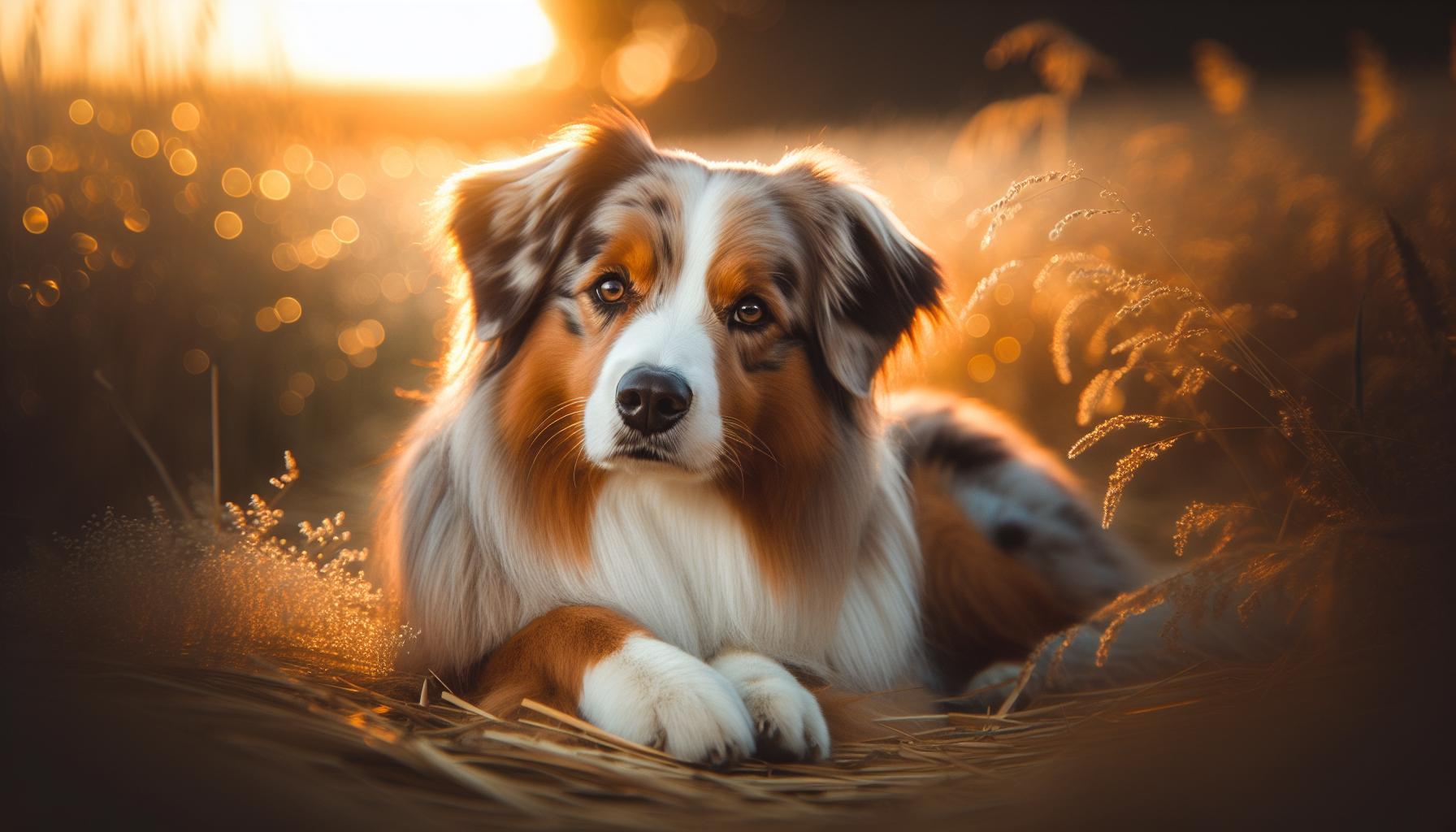
Did you know that an Australian Shepherd’s mesmerizing coat can change colors as they grow? For many puppy owners, this transformation can come as a delightful surprise, raising questions about the breed’s unique fur patterns and shades. Understanding these changes not only enhances your appreciation for your Aussie but also helps you anticipate grooming needs and health considerations.
As an owner, you might wonder if your puppy’s color will shift significantly or remain consistent. Will those captivating blue eyes stay the same? Delving into the science behind coat changes can ease your concerns and equip you with the knowledge to embrace your pup’s evolving charm.
Join us as we explore the fascinating world of coat variations in Australian Shepherd puppies, revealing the reasons behind these transitions and what they mean for you and your furry friend. Understanding this aspect of your puppy’s development can deepen your bond and help you appreciate the beauty of this remarkable breed even more!
Understanding Coat Color in Australian Shepherd Puppies
The enchanting world of Australian Shepherds is not just about their engaging personalities; it’s also about the stunning variability in their coat colors. From the soft merles to vibrant tris, new puppy owners often marvel at the beauty of these pups but soon find themselves wondering: will my Australian Shepherd’s color change as it grows? Understanding the nuances of coat color in Australian Shepherd puppies can ease your curiosity and prepare you for the journey of watching your furry companion grow and develop.
Australian Shepherds are known for their unique and often kaleidoscopic coat patterns. As puppies, they can display a mix of colors, including black, blue merle, red, and red merle, with white markings that accentuate their beauty. It’s important to note that these colors can evolve. Initially, a puppy’s undercoat may be lighter or darker, leading to changes as they mature. Here are a few factors that influence this transformation:
- Genetics: The specific genetic makeup of your puppy plays a crucial role in determining how their coat will look as they age. Breeders select for certain traits, and these can surface in unexpected ways.
- Developmental Changes: Just as human children’s hair color can change, an Aussie pup’s coat might shift shades, particularly during their first year as their adult coat begins to replace the puppy coat.
To help you navigate these shifts in color, observe your puppy closely during the first year. Consider maintaining a color diary to note any changes, which may range from subtle shifts to more pronounced alterations. This practice not only creates a beautiful keepsake but also serves as a useful reference should you have questions for your veterinarian or breeder. Additionally, discussing genetic backgrounds with your breeder can offer insights into what coat colors and patterns might be expected as your puppy matures. Embrace this time of change; it’s not just a physical transformation but a part of the unique story that every Australian Shepherd puppy experiences.
Common Color Patterns in Australian Shepherds
Australian Shepherds are renowned for their stunning and unique coat colors, making each dog a visual masterpiece. These intelligent and energetic dogs can exhibit a variety of color patterns, and understanding these can enhance your appreciation for the breed. One captivating aspect of their coats is the phenomenon of merle, a pattern that creates a beautiful patchwork of colors. Merle can come in various forms, including blue merle and red merle, each displaying a mix of lighter and darker shades. This pattern can also be accompanied by varying levels of white markings and tan points, adding to the individuality of each dog. If you’re considering bringing an Australian Shepherd into your family, knowing the common colors-such as black, red, blue merle, and red merle-can help you identify what you’re looking for in a puppy.
Understanding the genetics behind these prized color patterns can be quite enlightening, especially for prospective owners curious about future coat changes. For instance, a puppy may initially showcase a solid color but later exhibit patches or a marbling effect as they mature. It’s important to remember that the beauty of a dog isn’t solely in its coat; each pattern and color variation brings a unique charm that reflects the dog’s personality. When choosing a puppy, keep in mind that color is not indicative of temperament or health-the focus should be more on genetic background and breed standards. Engaging with a responsible breeder who can provide insights into potential color changes and genetic patterns can be immensely beneficial, ensuring you select a puppy that not only captures your heart with its appearance but also complements your lifestyle.
- Common Color Patterns:
- Black
- Red
- Blue Merle
- Red Merle

How Puppy Coat Colors Change Over Time
Puppyhood is a time of incredible growth and transformation, and one of the most captivating aspects of parenting an Australian Shepherd is witnessing the evolution of their coat color. While many breeds experience some level of coat color change, the Australian Shepherd is particularly known for its diverse and often striking color palette, which can shift dramatically as they mature. For instance, a puppy that appears mostly black may start to reveal subtle shades of blue or red as their adult coat begins to develop. This shifting pattern not only adds to the breed’s charm but also often leaves new owners both curious and puzzled about what to expect.
Understanding how and when these changes occur can help demystify the process for owners. Generally, you can anticipate the most significant transformations between the ages of 8 weeks and 1 year. During this time, various genetic factors play a crucial role in color development, such as the presence of merle, which can cause patterns and color alterations to appear. Additionally, a puppy’s undercoat may shift hues or become lighter, enhancing the depth and richness of their overall appearance. It’s also essential for owners to remember that while some puppies exhibit pronounced changes, others may maintain their original colors with minimal variations. Being patient and observant is key; with time, you’ll not only begin to recognize the distinctive markings that define your pup’s unique look but also how those colors may change as they transition into adulthood.
What Colors Can Change?
The Australian Shepherd comes in a remarkable variety of colors, including:
- Black
- Red
- Blue merle
- Red merle
- Tricolor (black, white, and tan)
- Bi-color (various combinations)
As these colors transition, the following shifts can typically be observed:
| Initial Color | Possible Changes |
|---|---|
| Black | May develop silver or gray shades |
| Red | Can become lighter or exhibit golden undertones |
| Blue Merle | Potentially becomes more pronounced with age |
| Red Merle | May show deeper shades of red or auburn |
Being aware of these changes helps owners embrace their pet’s unique evolution and promotes a deeper bond through understanding the beautiful tapestry of their coat colors. Given the excitement of these developments, it’s worth celebrating each stage of your Australian Shepherd’s growth-not just for their varying colors but for the distinct personality that shines through, regardless of the shade they sport.
Factors Influencing Coat Color Changes
The striking beauty of an Australian Shepherd often captivates the hearts of dog lovers, but many potential owners find themselves curious about how coat color changes can occur throughout a puppy’s development. These changes are not merely cosmetic; they reflect an interplay of genetics, environmental factors, and even the puppy’s health. Understanding what influences these transformations can help you appreciate your Aussie’s unique aesthetic journey.
One of the primary is genetics. Just as human hair color can alter with age, Australian Shepherd puppies often exhibit significant differences in their coats as they mature. Specific genes play a role in determining the base color and whether the coat will develop merle patterns or solid hues. For example, a black or red puppy may develop lighter shades or lose the intensity of their color as they grow. Additionally, environmental elements like sun exposure can also impact coat shading. Regular grooming is essential not only for maintaining your puppy’s coat but also for observing these changes, as brushing can prevent matting and help keep their fur healthy.
Other Influencing Factors
- Aging: As puppies transition into adulthood, their coat can become richer or duller in color.
- Health Status: Any underlying health issues can impact coat luster and color vibrancy. Balanced nutrition and regular vet check-ups can ensure your puppy’s coat stays vibrant.
- Seasonal Changes: Some owners notice variations during the shedding seasons due to changes in temperature and climate, prompting different shedding patterns.
Investing time in understanding these elements will not only enrich your experience as an Aussie owner but will also make you more attuned to your dog’s specific needs as it grows. Being well-informed allows you to celebrate the beautiful transformations that accompany your Aussie’s development, while ensuring they remain healthy and happy throughout their life journey.
Is Genetic Makeup Responsible for Color Changes?
Australian Shepherds are renowned for their stunning beauty, and one charming aspect of this breed is their propensity for coat color changes. Many new owners and enthusiasts often wonder if the genetic makeup of these canines plays a pivotal role in these transformations. The answer is a resounding yes! Genetics significantly influences the initial coloration and potential changes in an Australian Shepherd’s coat over time. The breed is known for its unique coat patterns, including merle, tri-color, and bi-color varieties, all of which can evolve as the puppy matures. In some cases, the genes responsible for these striking patterns can lead to fascinating shifts, creating a living canvas that expresses their delightful nature.
As Australian Shepherd puppies grow, various factors contribute to their coat changes, with genetics being the most prominent. Genetic factors dictate the melanin levels in their fur, affecting how colors manifest and intermingle. For instance, a puppy born with a predominantly black coat may develop subtle blue or silver hues as they reach adolescence, while those with a blue merle pattern may see it intensify or lighten with age. Additionally, environmental factors, health, and nutrition can also play auxiliary roles in these transformations. To help manage these changes and keep your Aussie looking its best, consider maintaining a healthy diet rich in omega fatty acids, which promote coat health and luster. Regular grooming can also aid in the shedding of dead hair and help new colors shine through, allowing your Australian Shepherd to reveal their true beauty as they grow.
Understanding these color changes can foster deeper connections with your pet and enhance your experience as an Aussie owner. Always embrace the journey, as each phase of color transformation tells a story unique to your pup!
Seasonal Influences on Coat Color in Puppies
The changing colors of Australian Shepherd puppies is not just a fascinating aspect of their development; it is also significantly influenced by seasonal factors. As the weather shifts and daylight hours fluctuate throughout the year, these adorable canines can exhibit changes in their coat pigmentation. Understanding the impact of seasons on their coat color can help owners better appreciate the uniqueness of their pets and provide guidance on how to care for them throughout the year.
During warmer months, many puppies may display a lighter coat color, as increased sunlight can enhance the production of certain pigments. This effect is often more pronounced in breeds like the Australian Shepherd, whose coats may exhibit a deeper richness and vibrancy during spring and summer due to active exposure to UV rays. In contrast, as autumn and winter set in, the onset of cooler temperatures can lead to a darker, muted palette. This seasonal shift can emphasize the darker markings that define the breed, offering a striking contrast against their overall fur color. To ensure that puppies maintain a healthy appearance during these transitions, grooming routines can be adjusted: consider investing in quality conditioners that hydrate the coat, especially during the drier winter months.
Understanding and Embracing Seasonal Changes
Adapting to your puppy’s seasonal color shifts also involves considering their overall health and wellbeing. A balanced diet rich in omega fatty acids is essential for maintaining vibrant coat color, regardless of the season. You might want to consult with a veterinarian to evaluate your pup’s nutritional needs based on seasonal changes, as certain elements can impact the luster and color of their fur. When bathing your Australian Shepherd, using color-enhancing shampoos specifically designed for their coat type can help maintain the vibrancy of their colors throughout the year. Moreover, keeping your Australian Shepherd well-exercised outdoors not only strengthens their bond with you but also allows them to naturally showcase their changing colors in an engaging environment.
In essence, appreciating the seasonal influences on your Australian Shepherd puppy’s coat color is about more than mere aesthetics; it’s an important aspect of their overall health and happiness. By understanding these changes, you can cultivate a stronger bond with your puppy while ensuring they remain comfortable and vibrant through every season.
Myths About Australian Shepherd Coat Color
Did you know that the stunning coat of an Australian Shepherd can be as vibrant and diverse as their lively personalities? While many have come to recognize and admire the unique color patterns of this breed, there’s a myriad of myths surrounding their coat color that often create confusion for prospective and current owners alike. Let’s unravel these misconceptions and gain a clearer understanding of the magical transitions that Australian Shepherd coats can experience throughout their lives.
One prevalent myth is that the color a puppy has at birth determines its adult coat color indefinitely. In reality, Australian Shepherd puppies can undergo significant changes in their coat color as they mature. For instance, an initially solid black puppy might develop striking copper markings and even a merle pattern as it grows older. This transformation can occur gradually and varies widely among individual puppies. Another common misunderstanding is the belief that certain colors are inherently “better” or more desirable than others. While many people may think that blue merles are the epitome of beauty, every coat color, from tri-color to red merle, carries its own unique charm and appeal. It’s essential to appreciate each variation not only for its aesthetics but for what it represents in the dog’s lineage and personality.
Understanding Coat Changes
This leads us to how these coat changes can impact your Aussie’s care. Owners may often wonder about proper grooming techniques for different colors and patterns. Here are some helpful tips:
- Regular Grooming: Regardless of your Aussie’s color, regular brushing (ideally two to three times per week) keeps their coat looking beautiful and healthy. Pay special attention to double-coated breeds, especially during shedding seasons.
- Diet and Nutrition: A high-quality diet rich in omega-3 and omega-6 fatty acids can enhance coat health. Dogs with certain coat types may require specific nutrients to promote and maintain their stunning appearance.
- Bathing Frequency: Over-bathing can strip natural oils from their coat, leading to dullness. Aim for a balance, bathing your Aussie every couple of months unless they get particularly dirty.
By educating yourself about the reality behind Australian Shepherd coat colors and the changes they undergo, you can appreciate the diversity they offer while providing the best care possible. Embracing your Aussie in all its colorful glory leads not only to a beautifully maintained coat but also strengthens the bond between you and your beloved companion.
When to Expect Color Changes in Your Puppy
Puppyhood is a magical time filled with many delightful surprises, and one of the most captivating aspects of owning an Australian Shepherd is the visual transformation your puppy undergoes as they mature. Color changes in Australian Shepherds aren’t just a quirky little detail; they are a beautiful representation of the breed’s dynamic genetics. While you might expect your puppy’s markings to remain predominantly the same, several factors can influence when and how those stunning patterns may evolve over time.
Typically, you can anticipate the first noticeable changes around the age of 6 to 8 weeks when the puppy begins shedding its baby coat. As they transition into their adolescent coat, which is usually fully developed between 12 to 18 months, you may observe shifts in the intensity and brightness of colors, as well as alterations in texture and distribution of markings. It’s essential to monitor these changes carefully. Experienced breeders and owners often recommend keeping a photo diary, documenting your puppy’s coat from different angles and lighting conditions, which can not only help in recognizing these transformations but also deepen the bonding experience as you visually track your puppy’s growth journey.
Key Factors Influencing Coat Color Changes
When observing changes, it’s beneficial to consider several key factors that can impact your Australian Shepherd’s coat. These include genetics, environment, and time. Genetics play a pivotal role in determining a puppy’s final coat color, with some dogs showcasing color variations influenced by their sire and dam. Additionally, environmental factors-such as sunlight exposure-can fade colors over time, making them appear lighter or less vibrant. The age of your puppy when they begin to change can vary widely, so patience and understanding will be critical during this period of development. Taking note of all these factors can help clarify the timeline of changes you may expect, reinforcing the journey as a shared experience to cherish as your Aussie flourishes into their adult coat.
- 6-8 weeks: Initial shedding of baby coat and potential for first color changes.
- 3-6 months: Adolescent coat begins to develop, with markings becoming more distinct.
- 12-18 months: Final adult coat emerging; significant changes in color may stabilize.
Caring for Your Australian Shepherd’s Changing Coat
As your Australian Shepherd matures, you may notice some fascinating transformations in their coat, including shifts in color and texture. This breed is known for its stunning variations, which can change quite dramatically from puppyhood to adulthood. For example, a blue merle puppy may develop a more pronounced contrast between their darker spots and lighter base coat, while a black tri may see variations in their brown markings. Understanding these changes and how to care for your dog’s evolving coat is essential to maintaining their health and appearance.
Establishing a grooming routine as your pup grows can make a significant difference in how their coat reacts to these changes. Regular brushing is vital not only to manage shedding but also to encourage healthy skin and coat development. Ideally, you should brush your Australian Shepherd at least once a week, increasing frequency during shedding seasons. Paying attention to the following aspects will help you maintain their coat effectively:
- Use the Right Tools: A slicker brush works wonders for removing loose fur and preventing mats, while a metal comb can help you tackle tangles.
- Check for Skin Issues: As the coat changes, so can the skin beneath it. Look out for signs of irritation or dry patches.
- Maintain a Healthy Diet: Quality nutrition can significantly impact coat health. Consider incorporating omega-3 fatty acids, which can enhance coat shine and condition.
When it comes to baths, moderation is key. Too frequent bathing can strip the coat of its natural oils, leading to dryness and irritation. Generally, a bath every two to three months is sufficient, unless your dog enjoys rolling in something unsavory! If you need to bathe your Australian Shepherd more frequently, use a gentle, hydrating shampoo to protect their coat’s natural health. Embrace the beauty of your dog’s coat as it changes, and remember that each hue and texture tells a story of their unique journey.
The Impact of Nutrition on Coat Color
Nutrition plays a pivotal role in the overall health and appearance of Australian Shepherds, including the vibrancy and richness of their coat color. Just as in humans, the quality of what dogs consume can significantly affect their physical attributes, making it essential for Aussie owners to prioritize a well-balanced diet. For those wondering how their puppy’s coat might evolve, it’s interesting to note that specific nutrients can impact the way color is expressed in their fur. For instance, proteins such as those found in meat sources provide the building blocks for healthy coat production, while vitamins, particularly A, E, and certain B vitamins, are crucial for maintaining hair pigmentation and sheen.
To ensure that your Australian Shepherd appreciates the full benefits of good nutrition, here are some essential items to consider including in their diet:
- High-quality protein sources: Look for dog foods that list actual meat as the first ingredient.
- Essential fatty acids: Omega-3 and Omega-6 fatty acids, often found in fish oil, help promote a glossy coat and reduce inflammation that can affect the skin.
- Vitamins and minerals: Incorporate fresh vegetables, like carrots and spinach, as they are packed with nutrients vital for maintaining a rich coat color.
- Avoid fillers: Steer clear of dog foods that contain excessive fillers or artificial additives, as these can detract from the overall health and appearance of your dog’s coat.
In addition to the right food, hydration also plays a crucial role in maintaining a healthy coat. It is vital to provide your Aussie with fresh water daily, as proper hydration supports skin elasticity and minimizes dryness that can lead to dull fur and uneven coloring. Regular grooming is equally important-not just to keep their coat looking good, but also to stimulate the scalp and distribute natural oils, enhancing coat vibrancy. Ultimately, by committing to a well-rounded diet and grooming routine, you can support not only the health of your Australian Shepherd but also the delightful evolution of their coat color as they grow.
Recognizing Potential Health Issues Related to Coat Changes
The vibrant and dynamic coats of Australian Shepherds are often one of the first things that catch the eye, but did you know that changes in their coat color or texture can sometimes signal underlying health concerns? As a devoted Australian Shepherd owner, it’s crucial to be attuned to your puppy’s coat, as it serves as an important indicator of their overall health. While some color shifts are perfectly normal due to growth and maturity, other changes can be a red flag signaling potential health issues.
It’s essential to closely monitor any sudden or drastic transformations in your puppy’s coat. For instance, if you notice excessive fading, graying, or patchiness, it may be worthwhile to consult your veterinarian. Here are some potential health issues to consider:
- Allergies: Allergic reactions to environmental factors, food, or even grooming products can cause coat changes, leading to bald patches or skin inflammation.
- Hormonal Imbalances: Conditions such as hypothyroidism can manifest itself through changes in coat quality, including excessive shedding or dryness.
- Nutritional Deficiencies: A lack of essential nutrients-like omega fatty acids-may lead to dullness or discoloration in a puppy’s coat.
- Fungal Infections: Ringworm is a common fungal infection that can alter coat texture and cause localized hair loss, often appearing in circular patches.
Being proactive and observant can make a world of difference in the life of your Australian Shepherd. Regular grooming not only helps maintain their stunning coat but also allows you to keep an eye out for any unusual signs. If your puppy is experiencing concurrent behavioral changes, such as lethargy or itching, don’t hesitate to reach out to a trusted veterinarian. Keeping a watchful eye on your puppy’s coat can be the first step in ensuring they lead a happy, healthy life.
Choosing the Right Products for Coat Care
When it comes to caring for the coat of an Australian Shepherd, understanding that their coat can change with age and seasons is essential for any owner. Not only does this breed experience changes in coat length and density as they grow, but they can also display variations in color that enhance their unique beauty. is pivotal in ensuring their fur remains healthy and vibrant throughout these changes. High-quality grooming tools and conditioning products can make all the difference, particularly for a breed known for its stunning, multi-colored coats.
When selecting grooming products, consider the following key factors to suit your Australian Shepherd’s specific needs:
Grooming Tools
- Brushes: A slicker brush is ideal for removing loose fur and preventing mats, especially during shedding seasons. Additionally, a comb can help detangle any knots without damaging the coat.
- Shampoos: Choose a gentle, sulfate-free formula designed for dogs. Look for shampoos that are hydrating and pH-balanced to protect your puppy’s delicate skin, particularly important if they are prone to skin irritations.
- Conditioners: A good quality conditioner can help maintain the softness and luster of your Australian Shepherd’s coat while making it more manageable.
Supplementary Care
Another crucial aspect of coat care is nutrition, which plays a significant role in the health and condition of your dog’s fur. Foods rich in omega fatty acids can improve coat shine and reduce shedding, enhancing the natural colors of your Aussie. Additionally, consider using coat sprays or oils that provide extra moisture during dryer seasons or if your dog spends substantial time outdoors. These products act as a barrier against environmental stressors and can boost the coat’s overall appearance while making grooming a more pleasant experience. By investing in the right products tailored to their unique coat characteristics and changing needs, you can ensure that your Australian Shepherd not only looks stunning but feels fantastic as they transition through the stages of their life.
Q&A
Q: Do Australian Shepherd puppies change color as they grow?
A: Yes, Australian Shepherd puppies often experience coat color changes as they mature. Initially, they may have a lighter coat that darkens or shifts to a different hue over time. Understanding these changes can help new owners better anticipate their puppy’s adult appearance.
Q: Why do Australian Shepherd puppies’ coats change color?
A: The changing coat color in Australian Shepherds is primarily due to genetics and the natural aging process. As puppies grow, their coats undergo various phases influenced by genetic traits, causing them to lighten or darken, which is common in this breed.
Q: When do Australian Shepherd puppies start changing color?
A: Australian Shepherd puppies typically begin changing color around 6 to 12 months of age. However, some changes can occur as late as 2 years old. Monitoring any shifts can help ensure you’re prepared for your dog’s evolving appearance.
Q: What colors can Australian Shepherd puppies be born with?
A: Australian Shepherd puppies can be born in a variety of colors, including black, red, blue merle, and red merle. They may also have different patterns like significant white markings. The genetic makeup of the parents largely influences the color variations.
Q: How can I identify my Australian Shepherd’s potential adult coat color?
A: To identify your Australian Shepherd’s potential adult coat color, observe the puppy’s markings and color saturation. Consulting with a veterinarian for genetic insights can also provide clues. Additionally, understanding the parent dogs’ colors can indicate what to expect.
Q: Do environmental factors affect the coat color of Australian Shepherds?
A: Yes, environmental factors like sunlight exposure can temporarily affect the coat color of Australian Shepherds. While this may lead to fading, it won’t change their genetic color. If you notice significant changes, it’s advisable to consult a veterinarian.
Q: Do all Australian Shepherd puppies experience coat color changes?
A: Not all Australian Shepherd puppies will undergo drastic coat color changes; some may retain their initial shade. However, most will minimally adjust as they mature. Regular grooming and observation can help owners appreciate their dog’s unique color evolution.
Q: How often should I groom my Australian Shepherd to maintain coat health?
A: It’s recommended to groom your Australian Shepherd at least once a week to maintain coat health and manage shedding. Regular brushing helps keep their coat clean and showcases any color changes. For more grooming tips, visit our grooming section.
These FAQs are designed to provide key insights into Australian Shepherd puppies’ coat changes, enhancing user engagement while optimizing for search visibility. For more detailed information, check out our comprehensive guide on Australian Shepherd care!
Final Thoughts
As you delve deeper into the fascinating world of Australian Shepherds, remember that their coat color may evolve as they grow, reflecting their unique personality just as much as their stunning appearance. Understanding these changes equips you with the knowledge to appreciate your pup’s journey, from vibrant puppies to their mature coats. If you have any lingering questions about your Aussie’s color transitions or overall care, don’t hesitate to explore our related articles on “Caring for Your Australian Shepherd’s Coat” and “Understanding Australian Shepherd Temperament.”
We invite you to share your thoughts and experiences in the comments below-your insights could help fellow Aussie owners! For ongoing tips and exclusive content, sign up for our newsletter today. Dive in now and join our passionate community; let us help you celebrate every colorful moment with your beloved Australian Shepherd!
Get our latest guides, news, and insights highlighted in your Google Search & AI Overviews.