Australian Shepherds are renowned for their intelligence and loyalty, traits that make them exceptional companions and potential protectors. With their strong instinct to herd and guard, many owners wonder if these affectionate dogs can also serve as effective protectors for their families and homes. Understanding the protective nature of Australian Shepherds is crucial for anyone considering adding one of these dynamic dogs to their household.
As a breed originally developed for herding livestock, Australian Shepherds possess a natural vigilance that can translate into excellent guardianship. This characteristic, paired with their boundless energy and desire to be part of the family unit, speaks to the balance they bring between being loving pets and alert protectors. Whether you are a current owner or contemplating adopting an Aussie, knowing how to harness and nurture these instincts can foster a safe and harmonious environment.
Join us as we delve deeper into the protective qualities of Australian Shepherds, exploring how they guard your family and home while maintaining the affectionate bond that makes them such beloved companions. Discover tips and insights that can help you maximize their guarding instincts while ensuring their happiness and well-being.
Understanding the Protective Nature of Australian Shepherds
The protective instincts of Australian Shepherds are deeply rooted in their history as herders and guardians of livestock. Originally bred to manage sheep and cattle on expansive ranches, these dogs possess a natural desire to watch over their territory and loved ones. With a strong bond to their families, Aussies are notorious for their loyalty, keen intelligence, and alertness, making them not just affectionate companions but also capable guardians. Their instinct to patrol and monitor their surroundings ensures that they quickly alert their families to any unusual activities, whether it’s a stranger approaching or the presence of wildlife near the home.
For potential and current Aussie owners, understanding how to channel these protective instincts positively is key. It’s essential to provide structured socialization and training from a young age. This helps Australian Shepherds distinguish between normal activities and potential threats, preventing unwarranted barking or aggression. Regular exposure to various people, environments, and experiences enhances their ability to assess situations calmly. Here are some practical tips to nurture their protective behavior effectively:
- Training and Socialization: Ensure your Aussie participates in obedience classes and socialization sessions. Positive reinforcement builds their confidence and helps them feel secure in their environment.
- Establish Boundaries: Teach them which areas are off-limits and reinforce this through consistent commands and rewards.
- Encourage Positive Interactions: Facilitate introductions with friends and family, allowing your dog to recognize safe individuals and reduce any anxiety around new encounters.
- Create a Safe Space: Provide a designated area where your Australian Shepherd can retreat to feel secure when they sense a threat but still be able to observe their surroundings.
Incorporating these strategies not only promotes a balanced temperament but also allows Australian Shepherds to thrive in their role as both companions and protectors. As they grow and learn, your Aussie will evolve into a confident and reliable guardian, ensuring your family’s safety while nurturing their loving nature. With time and dedicated training, your Australian Shepherd can harness their protective instincts in a way that brings peace of mind to your home.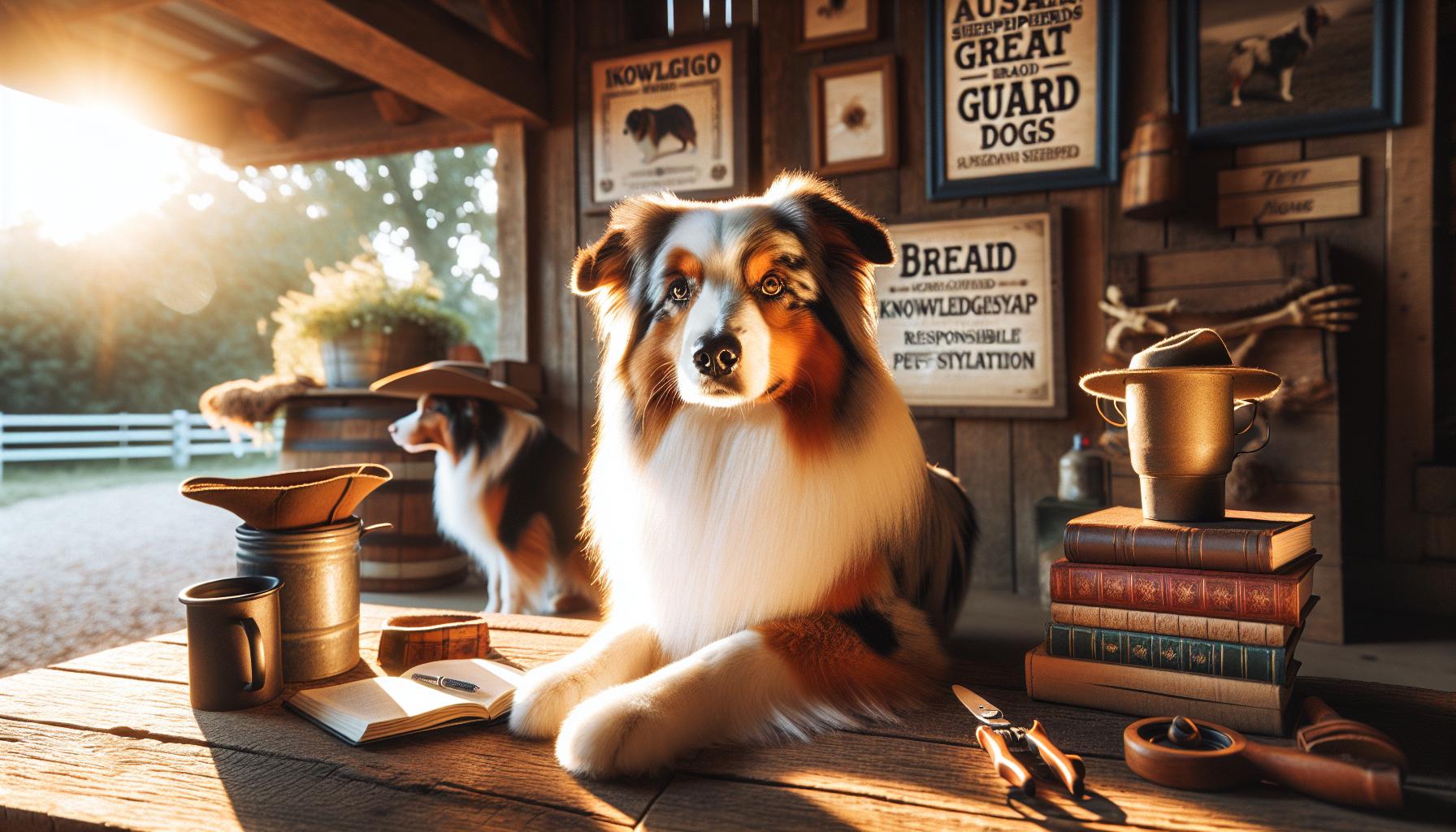
Key Traits That Make Aussies Great Guard Dogs
Australian Shepherds possess an incredible array of traits that make them not just loyal companions but also effective guardians for families and homes. These highly intelligent and energetic dogs have been historically bred for herding, which has instilled them with a keen sense of awareness and an instinctive drive to protect their loved ones. With their sharp observation skills, they can quickly assess situations, making them adept at identifying potential threats. For example, many Australian Shepherds will bark to alert their families to unfamiliar noises, signaling that they’re on alert and ready to protect.
What truly sets Aussies apart as guardians is their strong loyalty and dedication to their families. They are not just passive protectors; they actively engage in keeping their loved ones safe. Their natural herding tendencies mean they often have a desire to keep family members together, and this can translate into protective behaviors when they perceive danger. Here are some notable traits that contribute to their guarding instincts:
- Intelligence: Quick to learn and adapt, Aussies can be trained to perform specific guarding tasks effectively.
- Alertness: Their strong senses allow them to quickly notice changes in their environment, making them proactive protectors.
- Protective Nature: These dogs form strong bonds with their families and can instinctively protect them from perceived threats.
- Agility: Their physical prowess enables them to respond quickly to any intruders or dangers.
In addition to these traits, Australian Shepherds thrive on mental and physical stimulation. Regular exercise and training not only strengthen their protective instincts but also channel their energy positively, preventing unwanted behaviors that can arise from boredom. Engaging in activities such as agility training, obedience exercises, and even herding games can make a significant difference in how well they perform their guarding duties. These challenges enhance their problem-solving skills and allow their natural abilities to shine, ensuring that your Aussie is not just a great guard dog but also a joyful, engaged family member. Emphasizing socialization during a young age also helps them differentiate between friends and potential threats, reinforcing their role as skilled protectors of your home.
How Australian Shepherds Protect Family Members
When considering the protective capabilities of Australian Shepherds, one must appreciate their innate loyalty and keen instincts. Originally bred as herding dogs, Aussies are equipped with an impressive combination of intelligence and alertness that makes them vigilant guardians of their family and home. Their ability to read human emotions and situations is remarkable; they can quickly assess a threat and react appropriately. For instance, an Australian Shepherd may bark to alert you of an unfamiliar presence, while simultaneously positioning itself between you and the potential danger. This instinctive behavior embodies their protective nature, giving families not only companionship but also a reliable alert system.
To enhance their protective instincts, Australian Shepherds benefit significantly from proper training and socialization. Early exposure to various environments, people, and other pets can help them discern between normal activity and genuine threats. Here are some practical tips for maximizing your Aussie’s protective abilities:
- Socialization: Introduce your dog to different situations and people during their early developmental stages to build confidence and reduce fearfulness.
- Training Obedience: Implement command training such as ‘stay’ and ‘come’ to improve their responsiveness, which is crucial in emergency situations.
- Establish Boundaries: Teach your Australian Shepherd to recognize the boundaries of your home. This not only helps them understand where they should patrol but also reinforces their role as protectors.
Establishing a strong bond built on trust and mutual respect will empower your Australian Shepherd to take their role as protector seriously. Moreover, it’s crucial to reward positive behavior, as this encourages them to remain alert and engaged. By allowing them to feel that their protective instincts are appreciated, you create a supportive environment where they can thrive both as a family member and a guardian. In essence, it’s not just about training; it’s about fostering a relationship where your Australian Shepherd understands its purpose and feels valued for fulfilling it. With commitment and care, these remarkable dogs can provide unparalleled protection and companionship, ensuring peace of mind for every family they guard.
Training Your Australian Shepherd for Protection
Australian Shepherds are not just intelligent and energetic companions; they possess an innate protective instinct that can make them formidable guardians of home and family. With their keen senses and strong desire to please, these dogs can be trained to exhibit protective behaviors while maintaining their friendly and sociable nature. Understanding how to channel this instinct through effective training can turn your Australian Shepherd into a reliable guardian while ensuring they remain the loving family member you cherish.
When embarking on the journey of training your Aussie for protection, it is essential to start with a solid foundation in obedience. Training should focus on basic commands such as sit, stay, come, and leave it. These commands not only establish control but also foster communication between you and your dog. Incorporating positive reinforcement techniques-like treats and praise-can enhance your dog’s willingness to learn. Once your Australian Shepherd has mastered these commands, you can gradually introduce more advanced training that encourages protective behaviors. This may include alerting you to strangers approaching your home or learning to bark on command. Remember to create a range of scenarios for training, as real-life experiences are key to your dog’s effectiveness in protection.
Key Training Techniques
- Socialization: Expose your Australian Shepherd to various people, environments, and situations. This will help them discern between normal experiences and potential threats.
- Controlled Introductions: Invite friends over and reward your dog for calm behavior, gradually introducing new people to ensure they can distinguish between familiar faces and strangers.
- Boundary Training: Teach your dog the boundaries of your property. Use clear markers or flags, and reinforce the message that only those invited are welcome.
- Alert Training: Encourage your dog to bark on cue. Use a specific command or phrase, so they know when to alert you about potential intruders.
Understanding Your Dog’s Personality
Australian Shepherds are unique in their temperaments, often displaying a mix of protectiveness and playfulness. It’s crucial to tailor your training based on your dog’s individual personality. For instance, a more reserved Aussie may need gentle encouragement to bark, while an outgoing one may naturally exhibit protective behaviors. Always approach training with sensitivity, allowing your dog to express their comfort levels as they learn. This ensures that their protective instincts develop without fear or aggression. The goal is to create a confident protector who understands when to be alert but can also relax and enjoy their place within your family.
Socialization and Its Impact on Protective Instincts
The socialization of an Australian Shepherd is a foundational element that greatly influences their protective instincts. Early and positive exposure to various environments, people, animals, and experiences fosters a well-adjusted dog who can differentiate between normal and threatening situations. Australian Shepherds are known for their intelligence and loyalty, which can sometimes manifest as protective behavior. However, this instinct can be attributed significantly to their socialization; a properly socialized Aussie will feel more confident in their surroundings, making them less likely to react fearfully or aggressively to unfamiliar stimuli.
To capitalize on the protective nature of your Aussie, consider implementing a structured socialization plan. This includes exposing them to a variety of social settings during their critical development period-typically from 3 to 16 weeks of age. Engage in obedience classes, puppy playdates, and walks in busy areas to build your dog’s confidence amidst diverse stimuli. Here are some practical steps to enhance socialization:
- Start Early: Whenever possible, introduce your puppy to different people, pets, and environments.
- Use Positive Reinforcement: Encourage confidence by rewarding your dog while they explore new situations.
- Create Routine: Regularly involve your dog in family activities and outings, slowly increasing their exposure to new experiences.
By fostering a rich social environment, your Australian Shepherd will develop into a well-rounded companion who understands their role as a family protector without becoming overly aggressive. In contrast, a lack of socialization or negative experiences can lead to an Aussie that perceives threats in benign situations, resulting in unnecessary guarding behaviors or anxiety. The effort put into socializing your dog today will pay off in building a confident, balanced protector who knows when to act and how to respond appropriately.
Common Misconceptions About Australian Shepherds as Guard Dogs
A common belief among potential dog owners is that all herding breeds, like the Australian Shepherd, naturally excel as guard dogs due to their protective instincts. While these dogs are undeniably loyal and can exhibit protective behaviors, there are several misconceptions that can lead to misunderstandings regarding their capabilities and temperament as guardians of family and home. It’s essential to delve deeper into what makes an Australian Shepherd tick and how their unique characteristics influence their guarding potential.
Firstly, many people assume that because Australian Shepherds are often described as highly intelligent and alert, they will inherently make excellent watchdogs. While it’s true that these dogs are exceptionally observant and tend to vocalize when they sense something amiss, this does not automatically translate to the same level of protective instincts seen in traditional guard dogs like Rottweilers or German Shepherds. Instead, Aussies are more likely to herd their loved ones and rally people together rather than act aggressively toward a perceived threat. It’s crucial for potential Australian Shepherd owners to understand that the breed’s natural inclination is more towards herding behaviors rather than aggressive guarding by nature.
To ensure your Australian Shepherd can fulfill their role as a family protector, you need to invest time in proper training and socialization. Effective communication and consistent reinforcement of boundaries will help shape their protective instincts appropriately. For instance, exposing your Aussie to various environments and scenarios can aid in developing their confidence and understanding of what constitutes a real threat. To facilitate this, consider implementing structured activities such as obedience training, agility exercises, or even tracking, which can channel their energy and intelligence constructively. Moreover, another common misconception is that Australian Shepherds will alert their owners to danger instinctively. In reality, training your Aussie to know the difference between routine occurrences and potential threats is essential for them to effectively serve as a vigilant guardian at home.
Aussie Behavior: When to Be Concerned About Aggression
Australian Shepherds are renowned not just for their intelligence and agility but also for their strong protective instincts. This trait makes them excellent companions and guardians for families. However, it’s important to recognize that not all expressions of aggression are normal or healthy. When you observe behaviors that may be concerning, it’s crucial to distinguish between appropriate protective instincts and signs of potential issues. An anxious, overly aggressive Aussie can lead to problems not only within the household but also with visitors, other pets, and even the dog itself.
Understanding the nuances of your Australian Shepherd’s behavior is essential. For instance, barking or alertness in the presence of strangers can be typical protective behavior, whereas lunging, growling, or snapping may signal deeper issues like fear, anxiety, or even territorial aggression. To ensure that your dog is behaving in a way that is protective yet not problematic, consider these factors:
- Socialization: Early and continued socialization is crucial. Exposure to various environments, people, and other animals can help reduce fear-based aggression.
- Training: Consistent training using positive reinforcement can allow your dog to differentiate between actual threats and benign situations.
- Observation: Pay attention to body language. Signs such as raised hackles, stiff tail posture, and intense barking may indicate that your dog feels threatened.
- Environment: Sometimes, the environment plays a role. If your dog is consistently exposed to stimuli that trigger aggression, such as loud noises or chaotic gatherings, it can condition them to react defensively.
If you’re ever uncertain about your Aussie’s behavior, consult a veterinarian or a professional trainer who specializes in behavioral issues. Early intervention can often redirect aggression into more acceptable outlets, allowing your Australian Shepherd to thrive as a well-adjusted family guardian. Remember, fostering a balanced outlook in your dog not only ensures their well-being but also creates a harmonious living environment for everyone in your home.
The Importance of Exercise in a Protective Dog’s Life
Exercise is a cornerstone of a happy and healthy life for Australian Shepherds, especially when it comes to their protective instincts. Not only does regular physical activity keep them fit and maintain a healthy weight, but it also plays a crucial role in enhancing their alertness and responsiveness to their surroundings. An Australian Shepherd without adequate exercise may become bored, leading to undesirable behaviors, including excessive barking or destructive actions. Engaging in consistent physical activity fosters a well-rounded personality and reaffirms their role as a vigilant guardian of the family home.
When you’re considering the best ways to incorporate exercise into your Aussie’s daily routine, think beyond just walks in the park. Activities such as agility training, herding, or even playing fetch can harness their natural instincts and keep their minds sharp. Regularly scheduled playtime gives them the opportunity to utilize their energy proactively, enhancing their ability to recognize and react to potential threats effectively. Remember, a tired dog is a happy dog, and when your Australian Shepherd feels fulfilled through exercise, they are more likely to remain focused and dedicated to protecting you and your family’s space.
Effective Exercise Strategies
- Daily Walks: Aim for at least 30 to 60 minutes of walking or jogging in varied environments.
- Agility Training: Enroll in classes or create an obstacle course at home to mentally and physically challenge your dog.
- Interactive Play: Engage them with toys that stimulate their herding instincts, like balls or frisbees.
- Socialization: Invite friends with dogs over for playdates to encourage healthy interactions and additional exercise.
Finding the right balance of exercise is vital; too little can lead to restlessness, but too much can overwhelm them. Monitor your dog’s behavior and energy levels to determine their specific needs, adjusting your activities accordingly. With your commitment to maintaining a powerful exercise routine, you’ll not only nurture a well-fitted protective companion but also deepen your bond with your Australian Shepherd, making them an even more effective guardian of your family and home.
Real-Life Stories: Australian Shepherds as Family Protectors
Australian Shepherds have a longstanding reputation not only as intelligent and energetic companions but also as unwavering protectors of their families. These dogs possess an instinctual drive to guard their home and loved ones, often showcasing remarkable bravery in the face of perceived threats. For many families, the presence of an Australian Shepherd brings a layer of security that is both reassuring and effective, turning daily life into a safe haven.
From the bustling suburbs to serene country homes, real-life stories highlight the protective nature of Australian Shepherds in action. For example, a family in a quiet neighborhood had their cherished Aussie, Max, who would patrol the yard, keeping a watchful eye on anyone who approached their property. One evening, Max barked furiously at a stranger lingering near the driveway, alerting the family and prompting them to call the authorities. The quick reflexes of both Max and his owners resulted in a potentially dangerous situation being diffused without incident. Such experiences affirm the breed’s ability to distinguish between normal passersby and suspicious activity. With proper training and socialization, Australian Shepherds can enhance the safety of your home while maintaining their lively and playful demeanor.
Training for Protective Behavior
To cultivate the natural guarding instincts of your Australian Shepherd while ensuring their behavior remains controlled and constructive, consistent training is paramount. Consider the following strategies:
- Socialization: Introduce your Aussie to a variety of people, pets, and environments from a young age. This exposure helps them discern between genuine threats and harmless visitors.
- Basic Obedience Training: Commands like “sit,” “stay,” and “come” are essential. A well-trained dog will respond appropriately in situations where their protective instincts kick in.
- Controlled Barking: Train your dog to bark on command when someone approaches, but also teach them to stop barking when you give a different command, to prevent unnecessary disturbances.
- Positive Reinforcement: Reward your Australian Shepherd for good behavior, particularly when they exhibit appropriate protective instincts, to strengthen the bond and instill confidence.
By understanding what drives these dogs and nurturing their instincts through structured training, owners can ensure their Australian Shepherds are not just loving companions but effective protectors of their home and family. Investing time in this process not only enhances safety but also fosters a deep, trusting relationship that benefits both dog and owner for years to come.
Choosing the Right Australian Shepherd for Your Family
Selecting an Australian Shepherd for your family is not just about picking a cute puppy; it’s about finding a loyal companion that will protect and support you. Known for their guarding instincts, Australian Shepherds are intelligent and versatile dogs that thrive in active households. Their inherent desire to protect makes them excellent watchdogs, always alert to their surroundings. Before bringing one into your home, consider a few key factors to ensure their compatibility with your lifestyle and your family’s needs.
First, assess the activity level of your household. Australian Shepherds are energetic and require regular exercise to maintain their physical and mental health. Engaging them in activities like agility training, fetching, or even herding exercises can fulfill their need for stimulation. Additionally, think about your family dynamics-do you have young children or other pets? Early socialization is crucial for Aussies; it helps them develop confidence and good manners around different members of the family and other animals. When choosing a dog, look for one with a temperament that matches your household dynamics, focusing on both energy levels and disposition. This careful consideration will help ensure that your Australian Shepherd becomes a well-integrated and protective member of your family.
Key Considerations for Selecting Your Australian Shepherd
- Exercise Requirements: Australian Shepherds need at least 1-2 hours of physical activity each day.
- Socialization Needs: Early exposure to various environments, people, and animals is essential.
- Temperament: Look for a puppy that displays signs of a friendly and outgoing personality.
- Living Situation: Ensure you have enough space at home, as they thrive in environments that allow for movement and play.
When you are ready to choose an Australian Shepherd, consider adopting from a rescue or working with a reputable breeder who prioritizes health and temperament. A good breeder will not only provide health clearances but also be open to discussing the individual puppy’s personality traits, helping you find a fit that feels just right for your family. This commitment to finding a well-matched Australian Shepherd will create the foundation of a cherished relationship, ensuring that your new furry friend will guard your family and home with loyalty and love.
Building a Strong Bond with Your Protective Aussie
Building a lasting relationship with your Australian Shepherd not only strengthens your bond but also enhances their natural protective instincts. These intelligent dogs thrive on companionship and connection, making it essential to invest time into understanding their unique personalities and needs. Engaging activities such as obedience training, agility exercises, or simply outdoor adventures help foster trust and contentment in your Aussie. When they feel secure and loved, they are more likely to instinctively protect their family and home, as their loyalty runs deep.
To build this strong connection, consider integrating the following into your daily routine:
- Consistent Training: Establish clear commands and expectations. Regular training sessions not only help with obedience but also reinforce your role as a leader.
- Socialization Opportunities: Expose your Aussie to various environments, people, and other animals. This exposure helps them differentiate between normal situations and potential threats, enhancing their protective nature.
- Quality Time: Dedicate time each day for bonding activities, whether it’s playtime, walks, or cuddling. These moments build trust and loyalty, making your dog feel valued and secure.
As you nurture this relationship, remember to maintain a balance between encouragement and boundaries. If your Aussie perceives you as a confident and calm leader, they will be more willing to respond positively to challenges and protect their loved ones with pride. The result is not just a loyal guardian but a devoted family member who shares in the joys and adventures of daily life.
Tips for Enhancing Your Australian Shepherd’s Guarding Skills
Australian Shepherds are naturally vigilant and protective, making them excellent companions for anyone seeking a devoted guardian for their home and family. However, to truly enhance your Aussie’s guarding skills, it’s essential to provide tailored training and socialization that harness their innate protective instincts. By understanding the breed’s characteristics and adopting specific strategies to elevate these skills, you can cultivate a well-rounded protector who is both reliable and safe.
First and foremost, socialization is crucial for any Australian Shepherd aspiring to become a protective companion. By exposing your pup to various environments, people, and other dogs from a young age, you’ll help them develop confidence and discernment in different situations. Consider organizing playdates with other dogs and attending community events to familiarize your Aussie with the bustling world around them. Additionally, you can enhance their guarding instincts by incorporating specific obedience training that reinforces commands like “stay,” “leave it,” and “go to your spot.” This not only establishes the authority you hold but also empowers your dog to recognize when to act and when to remain calm.
Incorporating Real-World Scenarios
One effective way to boost your Australian Shepherd’s guarding instincts is through the simulation of real-world scenarios. Engage your dog in activities such as watchdog training, where you can practice controlled barking at the door or alerting you to strangers approaching the property. You might even create a simple course using common household obstacles to teach your pup to navigate and protect varying spaces. Remember, rewarding your dog with praise or treats during these exercises strengthens the connection between their actions and positive outcomes, making them more eager to demonstrate their protective capabilities.
To further support your Aussie, consider providing them with a positive outlet for their energy through daily exercise and mental enrichment. Engaging in regular activities like agility training or scent work can help channel their natural instincts and keep them mentally sharp. An active and engaged Australian Shepherd is not only healthier but more attuned to their surroundings, making them an exceptional guardian for your family and home. By investing time in training, socialization, and enriching activities, you’ll create a loyal protector with the perfect balance of alertness and temperament.
Q&A
Q: Are Australian Shepherds effective guard dogs?
A: Yes, Australian Shepherds are considered effective guard dogs due to their protective instincts and strong loyalty to their families. They are naturally alert, making them excellent watchdogs who will bark to notify you of any unusual activity. Proper training enhances their guarding abilities significantly.
Q: How protective are Australian Shepherds of their owners?
A: Australian Shepherds are highly protective of their owners, often forming strong bonds. They instinctively guard their loved ones and can be cautious around strangers. Socialization from a young age is crucial to help them differentiate between a threat and a friend.
Q: What training is needed to make an Australian Shepherd a good guard dog?
A: To develop an Australian Shepherd into an effective guard dog, consistent obedience training and socialization are key. Teach commands like “stay” and “alert” while exposing them to various environments and people, helping them learn appropriate responses. Consider professional training for advanced skills.
Q: Why might an Australian Shepherd not protect their home?
A: An Australian Shepherd may not protect their home if they lack proper training, socialization, or experience fear or anxiety. Ensuring a strong bond and trust between the dog and owner can motivate the dog to become more protective. Address behavioral issues with positive reinforcement techniques.
Q: Do Australian Shepherds make good family dogs in terms of protection?
A: Yes, Australian Shepherds are excellent family dogs, providing both companionship and protection. Their natural herding instincts make them protective of children and household members. Establishing a routine with them ensures they feel secure and reinforces their protective behavior.
Q: How can I enhance my Australian Shepherd’s protective instincts?
A: To enhance your Australian Shepherd’s protective instincts, engage in regular training sessions that focus on alerting and guarding behaviors. Socialize them with different people and environments to help them better assess potential threats and remain balanced. Consistency and positive reinforcement are vital.
Q: When do Australian Shepherds typically start showing protective behavior?
A: Australian Shepherds may start showing protective behavior as early as six months old, although it varies by individual. Their protective instincts typically strengthen as they mature. Early socialization and exposure to various situations can help channel this behavior positively.
Q: Should I be concerned if my Australian Shepherd is overly protective?
A: Yes, if your Australian Shepherd is overly protective, it could be a sign of anxiety or insecurity. Monitor their behavior and seek guidance from a professional trainer to address any aggressive tendencies. Ensuring they’re well-socialized will help mitigate excessive protective behavior.
For more insights on building a strong bond with your Australian Shepherd while enhancing their protective instincts, check out our full article on responsible training practices and socialization techniques!
Wrapping Up
In conclusion, Australian Shepherds are known for their protective instincts, making them exceptional family guardians. However, understanding their behavior and training is crucial to harness their natural protective qualities effectively. If you’re eager to see how an Aussie can enrich your life while guarding your loved ones, don’t hesitate to explore additional resources on our site. Check out our articles on Australian Shepherd training tips and healthcare essentials to set a solid foundation for your journey together.
Feel free to leave a comment below with your thoughts or experiences, and consider subscribing to our newsletter for more insights tailored specifically for Aussie enthusiasts. Embrace the adventure ahead and ensure your home remains a safe haven with the unwavering loyalty of your Australian Shepherd by your side!
Get our latest guides, news, and insights highlighted in your Google Search & AI Overviews.