
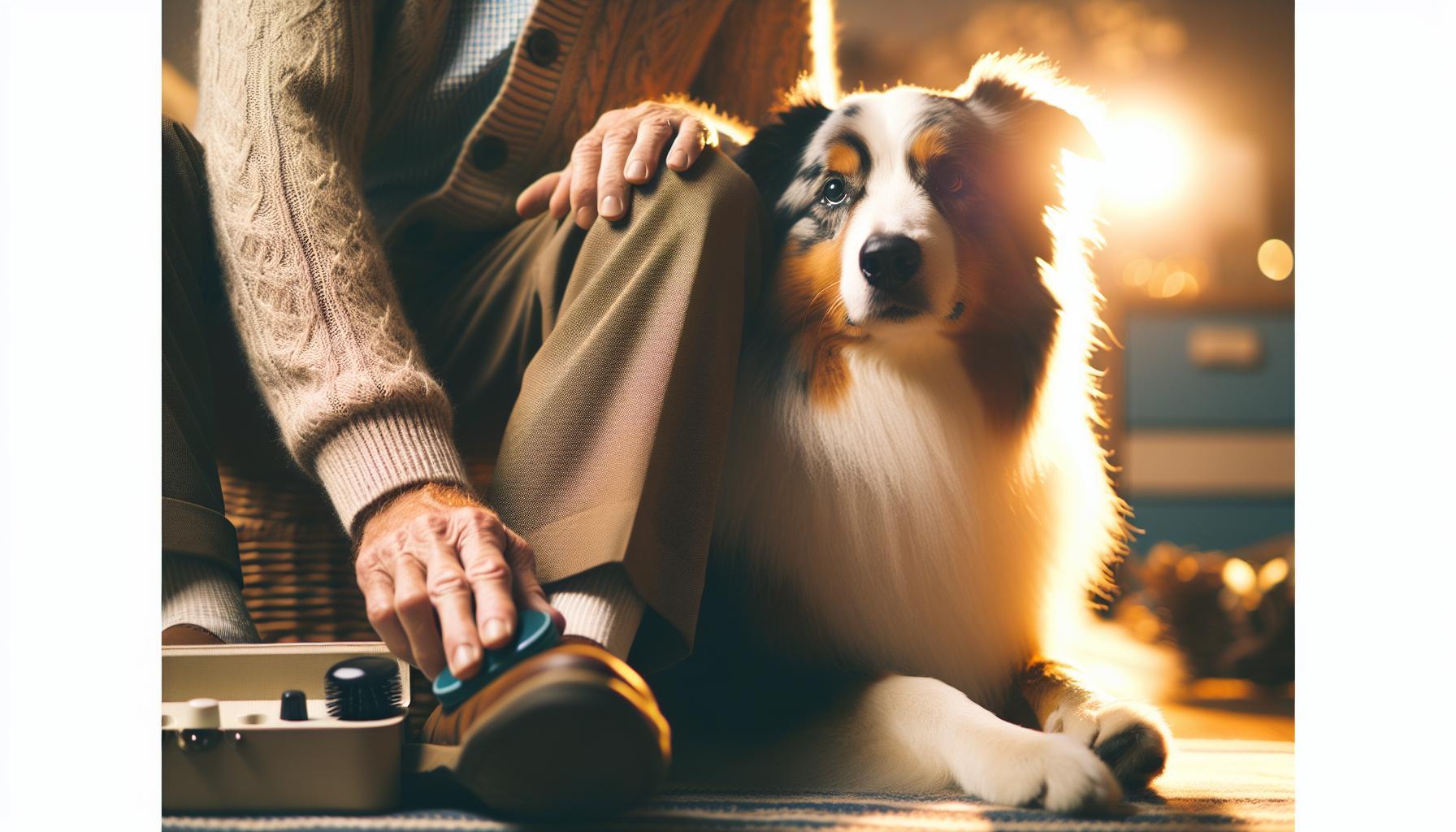

Did you know that Australian Shepherds, often affectionately termed “Velcro dogs,” possess an innate tendency to form deep attachments with their humans? If you’re a proud Aussie owner or considering adding one to your family, understanding their bonding behavior is crucial. Their loyal nature can enrich your life, but it may also present unique challenges.
Australian Shepherds thrive on companionship and often desire close physical proximity to their owners. This affectionate behavior can be incredibly rewarding, as it cultivates a strong emotional connection. However, it can also lead to issues like anxiety when they are left alone or over-dependence on their human.
In this article, we’ll explore the roots of their attachment behaviors, what it means for your relationship with your Aussie, and how to foster a healthy balance between closeness and independence. Join us as we dive into the captivating world of Australian Shepherds-it’s sure to enhance your understanding and strengthen your bond with your furry friend!
Understanding Velcro Dogs: What Does It Mean?
Australian Shepherds are often categorized as “Velcro dogs,” known for their intense loyalty and attachment to their human companions. This term refers to dogs that tend to stick close to their owners and thrive on constant interaction and affection. The breed’s history as herding dogs has instilled in them a strong desire to please and a deep bond with their human handlers. For owners of Australian Shepherds, understanding this attachment is crucial to ensuring both the dog’s emotional well-being and the harmony of family life.
These dogs not only enjoy being close to their owners but also exhibit behaviors that reinforce their clingy nature. Australian Shepherds may follow their owners from room to room, seek physical contact during moments of rest, or even show signs of anxiety when left alone. It’s important to recognize that this attachment is not simply a sign of dependency but is rooted in their instinctual need for companionship and teamwork. To foster a healthy relationship, owners should engage in regular training, provide physical and mental stimulation, and ensure that their Aussie has a safe and secure environment. This proactive approach not only nurtures the bond but also mitigates potential behavioral issues stemming from anxiety or insecurity.
The Australian Shepherd’s Attachment Style
Australian Shepherds are often described as “Velcro dogs,” a title that captures their tightly woven bond with their humans. This widespread description stems from their innate attachment style, which leans heavily toward secure attachment. Australian Shepherds thrive on companionship; they seek a close, unwavering relationship with their families, often shadowing them from room to room. This close bond isn’t just about wanting to be near; it’s about a deep-seated instinct to connect and cooperate with their human counterparts. These intelligent and energetic dogs are not only eager to please but also highly sensitive to their owners’ emotional states, making them incredibly attuned partners.
However, it’s essential to recognize that such attachment can sometimes lead to challenges like separation anxiety if not managed properly. To foster a healthy attachment style, consider implementing structured routines that provide your Australian Shepherd with security. Regular exercise, training sessions, and interactive playtime are crucial to satisfying their physical and mental needs. When introducing your pup to time alone, start small; gradually increase the duration of their alone time to help them adapt. This approach helps them feel more secure about your departures, reinforcing their independence while preserving the strong bond you share. By cultivating a secure environment, you not only nurture a well-adjusted Australian Shepherd but also enhance the joy and connection of your shared experiences together.
Signs Your Aussie is a Velcro Dog
Many Australian Shepherds earn the affectionate nickname “Velcro dogs” due to their extraordinary tendency to stick close to their owners, often following them from room to room. This behavior isn’t purely a quirk; it reflects the deep bond and unwavering loyalty that Aussies exhibit towards their human companions. If you notice your pup always near your side, it’s a clear sign they see you as their primary source of comfort and security. These intelligent and sensitive dogs thrive on companionship, making them attentive and responsive partners within the household.
There are several key behaviors that signal your Aussie is embodying their Velcro dog nature. Look for signs such as a constant need for physical closeness-leaning against you, following you everywhere, or being by your side during daily activities. Additionally, if your dog exhibits anxiety when you leave them alone or shows distress at your absence, these are strong indicators of their attachment. You might also observe them bringing toys or seeking your attention; both are ways Aussies express their need for interaction and connection. Recognizing these behaviors not only helps you understand your furry friend better but also enhances the bond you share by meeting their emotional needs effectively.
Characteristics of a Velcro Aussie
- Constant Companionship: Follows you from room to room or stays by your feet.
- Anxiety at Separation: Shows signs of distress when you leave the house.
- Seeking Attention: Frequently nudges you with their nose or brings you their favorite toys.
Aussies thrive on the connection they form with their humans, and understanding these signs can help you create an environment that fosters this loving bond while also providing them with the reassurance they crave.
The Psychology Behind Bonding in Australian Shepherds
The profound bond that Australian Shepherds share with their owners is a captivating phenomenon grounded in the breed’s rich history and psychology. Initially bred as herding dogs, Aussies have an innate desire to work closely with humans, making them not just companions but also collaborative partners. This has fostered a unique attachment style that resonates deeply with dog owners, who often describe their Australian Shepherds as “Velcro dogs” due to their tendency to stick by their side. This clinginess, while sometimes perceived as dependence, is a reflection of their intelligence and a natural inclination for teamwork and loyalty.
Understanding this attachment behavior can greatly enhance the relationship you have with your Australian Shepherd. Here are a few practical insights into nurturing and strengthening this bond:
- Consistent Training and Challenges: Engage your Aussie with structured training sessions. Utilizing positive reinforcement techniques not only reinforces good behavior but also stimulates their intelligent minds, fostering trust and reliability.
- Regular Activities: Australian Shepherds thrive on both mental and physical stimulation. Incorporating daily tasks, such as agility training or herding exercises, can significantly boost their confidence and deepen your bond while allowing them to express their natural behaviors.
- Quality Time: Spend quality moments during walks or playtime. These activities strengthen the emotional connection, affirming that they are valued members of the family.
- Socialization: Introduce your Aussie to various people, pets, and situations. A well-socialized dog feels more secure and is better adapted to new experiences, which reduces anxiety and enhances bonding.
As you nurture this bond, remember that attachment is a two-way street. The more you invest in your Australian Shepherd, the more you’ll receive their unwavering loyalty and affection. For instance, some owners set up a routine, such as a morning play session or an evening walk, creating a reliable structure that builds anticipation and trust. This consistent interaction helps your Aussie feel secure and valued, as they understand their role in your life. By appreciating and responding to their natural behaviors, you foster an environment where both you and your Australian Shepherd can thrive together, enriching your lives with companionship, activity, and love.
Meeting Your Aussie’s Emotional Needs
Australian Shepherds are known for their deep emotional connections with their humans, often earning them the affectionate title of “Velcro dogs.” This bond is not merely a trait; it is a fundamental emotional need that these intelligent, energetic pups crave. As a breed originally developed for herding, Australian Shepherds thrive when they are included in family activities and daily routines. This desire for closeness can lead to anxiety if they feel neglected or disconnected from their owners. To nurture and support this bond, it is crucial to understand and meet their emotional needs consistently.
involves several key actions. First and foremost, spend quality time together. Engage in activities that stimulate both their mental and physical capabilities, such as obedience training, agility courses, or even simple games of fetch. Regular exercise is vital, as it not only keeps them healthy but also allows them to release pent-up energy and reduce anxiety. Additionally, providing a structured environment can give them a sense of security. Establishing routines for feeding, exercise, and playtime helps your Australian Shepherd feel more at ease. Their need for predictability mixed with affection makes them feel valued and loved, which strengthens the bond you share.
To enhance your relationship further, consider the following:
- Positive Reinforcement: Utilize treats and praise to encourage good behavior, deepening your emotional connection.
- Socialization: Expose your Aussie to various environments, people, and other pets to build their confidence and comfort with the world around them.
- Quality Time: Regularly dedicate time to snuggle, walk, or play; these moments build trust and strengthen the bond.
By actively addressing their emotional needs, you foster a deep, resilient connection with your Australian Shepherd that will enhance both your lives. Remember that meeting these needs isn’t just beneficial for your dog; it can also enrich your experience as a pet owner, making for a happy, harmonious household.
Training Tips for Velcro Behavior Management
Australian Shepherds, renowned for their loyalty and intelligence, often exhibit a distinctive form of attachment known as “Velcro behavior.” This endearing trait can be charming but can also pose challenges, especially for first-time owners who may find their Aussie glued to their side. Navigating this level of attachment requires patience, understanding, and strategic training methods that promote independence while maintaining the bond.
To manage Velcro behavior effectively, consider implementing the following training techniques that encourage your Australian Shepherd to develop confidence and autonomy:
Encourage Independent Play
Providing your Aussie with opportunities to engage in independent play is essential for fostering self-reliance. Incorporate interactive toys that stimulate their mind and keep them entertained while you attend to other tasks. Here are some tips:
- Choose durable puzzle toys that release treats, encouraging problem-solving skills.
- Rotate toys regularly to keep their interest piqued and to challenge them creatively.
- Create a designated safe space where they can explore and play without feeling isolated.
Gradual Desensitization to Alone Time
Helping your Australian Shepherd become comfortable with being alone, even for short periods, can alleviate some of their Velcro tendencies. Start by gradually increasing the time they spend alone in a secure environment.
- Begin with brief separations of 5-10 minutes while remaining within earshot and gradually lengthen the time.
- Use a cue word like “stay” or “wait” so they understand that being apart is okay.
- Always return to them calmly and avoid overly excited greetings to prevent reinforcing anxious behaviors.
Training sessions should be positive and engaging, incorporating treats and praise to reinforce good behavior. Remember, building independence in your Velcro dog will not only enhance their confidence but also strengthen the bond you share. By using these techniques, you can create a harmonious living environment that respects your Australian Shepherd’s innate desire for closeness while nurturing their ability to enjoy their personal space.
Benefits of Having a Velcro Dog
Having a Velcro dog, especially one like the Australian Shepherd, can profoundly enrich your life. These dogs are not only known for their intelligence and agility but also for their strong attachment and desire to be close to their humans. This unique bonding behavior serves several significant benefits that pet owners often cherish. For instance, the companionship offered by an Australian Shepherd can alleviate feelings of loneliness, making them exceptional emotional support animals. Their unwavering loyalty and constant presence create a sense of security, allowing owners to navigate daily challenges with a furry confidant by their side.
Moreover, the interactive nature of Velcro dogs encourages an active lifestyle. Australian Shepherds thrive on engagement, which means they will prompt you to participate in activities like hiking, walking, or playing fetch-fostering both physical and mental health for both parties. This companionship can lead to a strengthened bond through shared experiences, enhancing your emotional well-being. Regular training and socialization are essential, as they help manage clinginess while allowing your Aussie to express its playful and affectionate nature without overwhelming you. By nurturing this relationship and setting appropriate boundaries, you can enjoy the loyal company of your Velcro dog while ensuring they become versatile and well-adjusted family members.
Common Challenges with Velcro Australian Shepherds
Australian Shepherds are renowned not only for their stunning looks and intelligence but also for their strong attachment to their human companions. This breed, often dubbed “velcro dogs,” can display intense loyalty and a desire for constant companionship. However, this deep-seated need for connection can lead to several challenges if not properly managed. Understanding these challenges is crucial for nurturing a healthy, happy relationship with your Aussie.
One common issue that owners might face is separation anxiety. Australian Shepherds thrive on human interaction and may become distressed when left alone for extended periods. Signs of separation anxiety can include excessive barking, destructive behavior, or attempts to escape. To combat these behaviors, establishing a consistent routine can be helpful. Gradual desensitization to your absence, using engaging toys, or hiring a dog walker can alleviate their anxiety when you’re away. Incorporating crate training can also provide a sense of security, creating a safe space where they can relax when unsupervised.
Another prominent challenge is managing their high energy levels and need for mental stimulation. While their attachment often leads them to follow you around the house, this can escalate into obsessive behaviors if left unchecked. Keeping your Australian Shepherd mentally and physically engaged is essential. Regular exercise-such as walks, runs, or engaging in dog sports-combined with mental challenges like puzzle toys or obedience training, can prevent behavioral issues stemming from boredom. Implementing structured playtime not only nurtures your bond with your furry friend but also channels their energy into productive outlets.
Understanding these challenges can make all the difference, allowing you to create a fulfilling environment for both you and your Australian Shepherd. Through proactive training and engagement, you can reinforce that strong bond while encouraging your Australian Shepherd to feel secure and confident, even in your absence.
How to Encourage Independent Play in Your Aussie
As loving, devoted companions, Australian Shepherds often form strong attachments to their owners, a charming quality that makes them feel like true “Velcro dogs.” However, this intense bond can sometimes lead to clinginess, which may hinder their development of independence. Cultivating a sense of independence in your Aussie is not only essential for their emotional well-being, but it also allows them to thrive as confident, self-reliant individuals. Here are some practical strategies to help your Australian Shepherd learn to enjoy their solitary moments while still feeling secure in your presence.
One effective method to encourage independent play is to provide engaging, interactive toys that can capture your Aussie’s attention. Puzzle toys are excellent choices, as they stimulate your dog’s mind and keep them occupied without needing your continuous involvement. Additionally, creating a designated play area that is inviting and safe can further enhance their enjoyment of solo playtime. Incorporate items like squeaky balls, tug toys, and treat-dispensing puzzles. Routine is also key; establish a daily schedule that allows your Aussie to explore and play on their own. Consistency not only fosters independence but also helps alleviate any anxiety they might feel when you’re not around.
Socialization and Positive Reinforcement
Socializing your Australian Shepherd with other dogs and people can dramatically improve their ability to enjoy their own company. Arrange playdates with well-mannered dogs to develop their social skills while allowing them to engage in interactive play, which can enhance their sense of security outside of your immediate presence. As they grow more comfortable being around others, your Aussie will find confidence in their independence. Using positive reinforcement techniques is crucial throughout this process-reward them with treats or praise when they play independently, reinforcing that their solo endeavors are valued and encouraged. Creating a sanctuary of trust reinforces your Aussie’s understanding that even when you’re not directly engaged, your connection remains strong. Over time, your loyal companion will come to understand that independent play is not just accepted but celebrated in your shared home life.
Comparing Velcro Behavior in Other Breeds
There’s something undeniably enchanting about the bond between dogs and their human companions, especially when it comes to breeds renowned for their attachment behaviors. Australian Shepherds are celebrated as “Velcro dogs,” but they aren’t the only breed characterized by intense loyalty and affection. Several other breeds similarly display attachment styles that can rival or complement the behavior of an Aussie. Understanding how these different breeds relate to their owners can enrich your experience with any furry companion and help clarify what to expect from your Australian Shepherd.
Among the notable Velcro-like breeds are the Labrador Retriever, Cavalier King Charles Spaniel, and German Shepherd. These dogs share a trait of strong attachment, often seeking closeness to their humans. For example, Labrador Retrievers are known for their friendly disposition and unwavering loyalty, thriving on companionship and becoming highly involved in family activities. Likewise, Cavalier King Charles Spaniels are often found nestled in their owners’ laps, exhibiting an affectionate nature that demands close contact. German Shepherds, while sometimes viewed as assertive and vigilant, also form deep bonds with their human families and actively seek out physical affection.
While each breed may express attachment differently, there are common strategies to deepen these bonds across any breed. Training your dog using positive reinforcement and engaging in regular physical activity not only meets their physical needs but also strengthens emotional ties. Remember, each interaction contributes to the foundation of trust and companionship. Here are some approaches to help you nurture a positive relationship with your dog:
- Consistent Routines: Establishing a daily schedule for walks, feeding, and playtime can provide structure, making your pet feel secure and more attached to you.
- Quality Time: Make time for interactive activities such as fetch, agility exercises, or simple training sessions. This engagement can lead to mutual appreciation and understanding.
- Focus on Socialization: Expose your dog to various environments, people, and other animals. Developing their confidence can support their attachment to you as a guiding presence.
- Positive Reinforcement: Use treats and praise to reward good behavior, reinforcing the bond through positive experiences together.
Taking these steps not only fosters attachment but also enhances overall obedience and happiness in your dog, transforming your relationship into a fulfilling partnership, regardless of breed.
Real-Life Stories: Australian Shepherds as Velcro Companions
Australian Shepherds possess an innate capacity for forming deep emotional bonds with their human companions, often earning their reputation as “Velcro dogs.” These affectionate pups thrive on interaction and are most content when they can be near their owners. Many Australian Shepherd owners have shared heartwarming stories that showcase just how dedicated these dogs can be, illustrating the breed’s extraordinary attachment and loyalty. From following their humans around the house to snuggling up during movie nights, Aussies have an uncanny ability to make it known they’re always ready for companionship.
This remarkable attachment can also present challenges, especially for first-time owners. If you’re experiencing clinginess or separation anxiety in your Aussie, it’s essential to understand these behaviors stem from their intense desire for closeness. To help cultivate a more balanced relationship, consider incorporating strategies such as providing structured training sessions, interactive playtimes, and gradually increasing the amount of time they spend alone. Regular exercise is vital, as a tired dog is less likely to follow you everywhere-ensuring that their needs for mental and physical stimulation are met can reduce their dependence. Creating a designated space that feels safe and comfortable, like a cozy dog bed in a quiet area, can also give your Aussie a place to retreat when they need a bit of independence. Emphasizing these aspects can strengthen the bond while fostering a well-adjusted, happy companion.
Expert Insights: Australian Shepherd Behaviors Explained
There’s a reason Australian Shepherds are often affectionately dubbed “Velcro dogs”-their strong attachment to humans is a hallmark of the breed. These intelligent and agile companions thrive on forming close bonds with their owners, seeking not just companionship but also a deep emotional connection. As a breed known for their keen intelligence and exuberant personality, Aussies are wired to form attachments, which can sometimes manifest as clinginess. Understanding this behavior is crucial for fostering a healthy relationship that respects both their need for closeness and your personal space.
To help nurture a strong, respectful bond, consider implementing a balance of independence training and positive reinforcement. Start by incorporating short periods of separation during your day, followed by rewarding your Australian Shepherd when they stay calm and relaxed without you. This practice helps instill confidence in your pup while demonstrating that it’s okay to spend time apart. Additionally, engaging activities such as agility training or puzzle toys can stimulate their minds and reduce the intensity of their attachment behaviors. When these dogs feel mentally and physically fulfilled, they are less likely to experience separation anxiety and can enjoy healthy bonding moments with their humans. By setting boundaries and offering enriching experiences, you can create a harmonious environment where your Aussie feels secure yet independent.
Tips to Strengthen Your Bond While Encouraging Independence
- Consistent Training: Regular training sessions not only teach commands but also build trust. Engage in positive reinforcement techniques to encourage good behavior.
- Daily Exercise: Incorporate physical activity into your routine. A tired dog is a happy dog-exercise can help alleviate excess energy that may lead to clinginess.
- Socialization: Expose your Australian Shepherd to various environments and other dogs. This boosts their confidence, making them less reliant on your presence at all times.
- Calming Products: Consider calming aids like pheromone diffusers or anxiety wraps that can help soothe their nerves when you’re away.
Understanding the fundamental reasons behind their attachment can lead to actionable strategies that cater to the emotional needs of your Australian Shepherd while promoting their confidence and resilience. By creating a supportive environment and fostering both closeness and independence, you can enjoy the affectionate nature of your Aussie without feeling overwhelmed by their devotion.
Q&A
Q: What does it mean that Australian Shepherds are referred to as ‘Velcro dogs’?
A: Australian Shepherds are called ‘Velcro dogs’ because of their strong attachment to their owners. This breed thrives on companionship and often follows their humans everywhere, seeking close interaction and affection. Their loyal nature makes them devoted family members.
Q: Why are Australian Shepherds so attached to their owners?
A: The deep attachment Australian Shepherds show stems from their high intelligence and social needs. They were originally bred as herding dogs, which required strong bonds with their handlers. This inherent need for connection motivates them to seek constant companionship with their families.
Q: How can I strengthen the bond with my Australian Shepherd?
A: Strengthening the bond with your Australian Shepherd can be achieved through regular exercise, training activities, and quality time spent together. Engaging in interactive games and incorporating obedience training can enhance your relationship, fostering trust and loyalty. For tips on activities, visit our training section.
Q: Do Australian Shepherds have separation anxiety due to their attachment to humans?
A: Yes, Australian Shepherds can experience separation anxiety due to their close bonds with owners. When left alone for extended periods, they may exhibit signs of distress like barking or destructive behavior. Providing mental stimulation and gradually increasing alone time can help alleviate anxiety.
Q: Are all Australian Shepherds considered Velcro dogs?
A: While many Australian Shepherds display Velcro dog behavior, individual temperament can vary. Factors like genetics, upbringing, and early socialization influence attachment levels. Assessing your dog’s personality and providing the proper environment can encourage healthy bonding behavior.
Q: Can I train my Australian Shepherd to be more independent?
A: Yes, training can help Australian Shepherds become more independent. Gradual desensitization to being alone, along with providing engaging toys or puzzles, can foster self-reliance. Positive reinforcement during alone time will help them feel secure and less anxious about separation.
Q: What are the common behavioral traits of Australian Shepherds related to attachment?
A: Australian Shepherds exhibit behaviors such as following their owners, cuddling, and showing excitement when reunited. Their herding instincts can lead them to encourage family members to stay together, further emphasizing their attachment. Understanding these traits can enhance your training approach.
Q: How does the attachment behavior of Australian Shepherds compare to other breeds?
A: Compared to other breeds, Australian Shepherds are known for their intense loyalty and attachment. While many breeds enjoy companionship, Aussies typically exhibit a higher level of dependency and need for interaction, making them unique in their bonding behavior. Explore our breed comparison section for more insights.
For further detailed insights about Australian Shepherd attachment and behaviors, check our full guide on nurturing your dog’s well-being!
Concluding Remarks
As we’ve explored, Australian Shepherds are indeed affectionate companions, often characterized by their Velcro-like bond with their owners. This behavior highlights not only their loyalty but also the importance of understanding these traits for a happy and fulfilling relationship. If you’re looking to enhance your bond with your Aussie further, consider implementing tips from our article on Effective Training Techniques for Australian Shepherds, or delve into Understanding Aussie Behavior: Common Patterns to better navigate their unique needs.
Don’t miss out! Subscribe to our newsletter for expert insights and updates on caring for your Australian Shepherd. If you have questions or want to share your experiences, drop a comment below-we’d love to hear from you! Remember, creating a stable environment and addressing any behavioral concerns fosters security in your furry friend. So, explore our resources and keep learning about your Velcro dog’s needs-your journey together is just beginning!
Get our latest guides, news, and insights highlighted in your Google Search & AI Overviews.


