
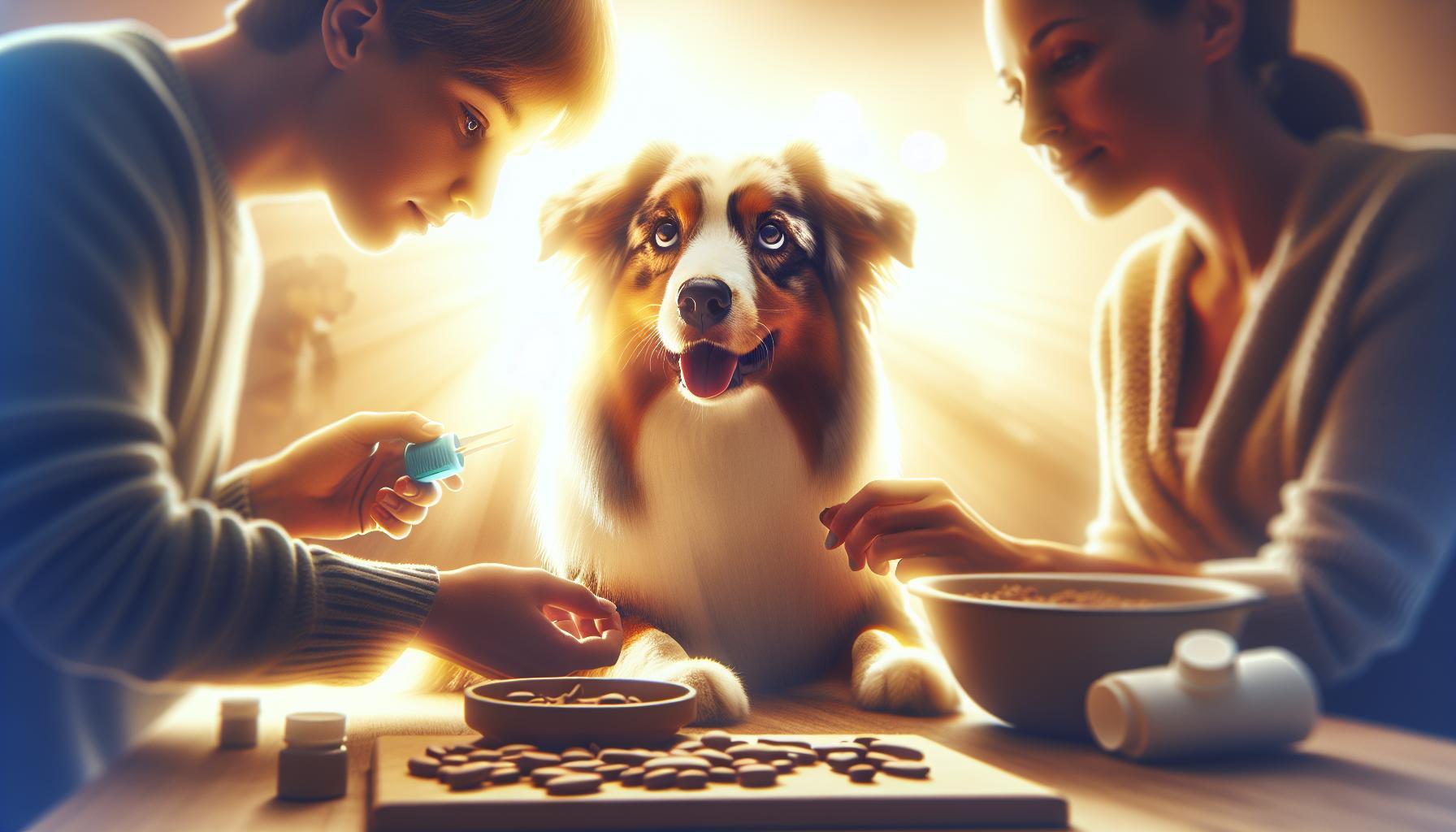

Did you know that Mini Australian Shepherds are not only adorable but also incredibly adaptable companions? These spirited little dogs, bred from standard Australian Shepherds, often thrive in family environments, bringing joy and energy to households. However, potential owners must consider their unique traits to determine if they are the right fit for their families.
This guide will explore the compatibility of Mini Australian Shepherds as family pets, addressing common concerns and highlighting their many benefits. As you read on, you’ll discover key considerations, from their exercise needs to their affectionate natures, helping you make an informed decision about welcoming this charming breed into your home. Whether you’re a seasoned pet owner or a first-time dog parent, understanding the Mini Aussie’s temperament and requirements can lead to a harmonious and fulfilling relationship.
Understanding Mini Australian Shepherds: Breed Overview
Mini Australian Shepherds, known for their vibrant personalities and intelligence, capture the hearts of dog lovers everywhere. Originally bred down from standard Australian Shepherds in the 1970s, these dynamic, compact dogs blend enthusiasm with a strong work ethic. They are ideal companions for an active family lifestyle, requiring regular exercise and mental stimulation to thrive. If you are considering adding a Mini Aussie to your family, understanding their characteristics, energy levels, and training needs is essential.
One of the most appealing aspects of Mini Australian Shepherds is their adaptability. These dogs are incredibly versatile, thriving in various living situations, from spacious homes to smaller apartments, as long as they receive ample exercise and attention. Their affectionate nature makes them great family pets; they often bond closely with children and enjoy being part of family activities. However, potential owners should be prepared to invest time in training and socialization. This breed is smart and eager to please but can also exhibit stubbornness if not guided properly. Dog owners recommend incorporating positive reinforcement methods and providing daily activities, such as walks, interactive games, and agility training, to keep their furry friends happy and engaged.
To ensure a harmonious family dynamic, keep the following points in mind when considering a Mini Australian Shepherd:
- Socialization: Early exposure to various people, pets, and environments helps mitigate any potential behavioral issues.
- Exercise Needs: These energetic dogs need at least 30-60 minutes of exercise daily to prevent boredom and destructive behaviors.
- Training: Consistent, positive training from a young age builds a strong bond and helps this breed understand house rules.
- Family Interaction: Mini Aussies thrive on companionship; integrating them into family activities fosters a stronger bond.
With the right approach, a Mini Australian Shepherd can be a loving, active, and loyal member of your family. Their affectionate demeanor paired with their engaging, playful spirit will undoubtedly bring joy to any household.
Temperament Traits of Mini Australian Shepherds
Mini Australian Shepherds are compact bundles of energy and intelligence, making them incredibly popular among families. Their temperament is often characterized by an innate desire to please, a playful spirit, and a strong work ethic that can keep any household lively. Their naturally affectionate nature means they thrive on human interaction and can adapt well to various family dynamics. With proper guidance and socialization, these dogs can become wonderful companions not just for adults, but also for children, providing love and loyalty that enriches family life.
One of the most remarkable aspects of Mini Australian Shepherds is their adaptability. They are equally content to join in on a family hike or snuggle up on the couch for a movie night. Their intelligence allows them to learn quickly, but owners should be prepared to provide mental stimulation and consistent training to channel this energy positively. Social playdates with other dogs and various environments further benefit their temperament, making them more resilient and well-rounded. Engage in activities like agility training or obedience classes – not only does this strengthen your bond, but it also curbs any potential behavioral issues from boredom or excess energy.
Key Temperament Traits
- Affectionate: Mini Australian Shepherds are known to form strong attachments with their families, often following their owners from room to room.
- Intelligent: Their quick ability to learn commands and tricks makes training sessions enjoyable and rewarding.
- Energetic: These dogs require regular exercise to maintain their health and happiness, making walks or playtime essential.
- Social: Early socialization with various environments, people, and pets will help them develop into well-adjusted adults.
When considering a Mini Australian Shepherd as part of your family, remember that their impressive intellect is matched by their enthusiasm for interaction. It’s crucial to cultivate environments that both challenge and satisfy their need for physical and mental engagement. Successful integration into family life also means being aware of their strong herding instincts; while they adore children, there may be instances where they want to herd them, especially younger ones. This characteristic can be fun and playful but should be monitored to ensure safe and enjoyable interactions. Ultimately, these loyal and spirited dogs can create an unbreakable bond with their family, becoming not just pets but beloved family members.
Ideal Family Dynamics for Mini Aussies
Miniature Australian Shepherds, often referred to as Mini Aussies, are wonderfully adaptive companions that thrive in various family dynamics. Their lively and intelligent nature makes them not just pets but beloved family members. These dogs tend to form strong bonds with all family members, showcasing a remarkable ability to tune into the emotional needs of children and adults. Their herding instincts, combined with a playful demeanor, allow Mini Aussies to engage in games and activities that involve the entire family, fostering a dynamic environment where interaction and bonding flourish.
One of the most appealing traits of Mini Aussies is their versatility, which makes them well-suited for different household scenarios. Whether you have young children who need a playmate, teenagers looking for a loyal companion, or elderly family members who appreciate a warm presence, Mini Aussies can adapt gracefully. They require regular exercise and mental stimulation, so incorporating walks, family outings, or interactive play sessions can enrich their lives while also bringing your family closer together. To ensure a harmonious atmosphere, it’s essential to provide structured training and socialization from a young age, which will help your Mini Aussie develop good manners and a friendly disposition, making them a wonderful addition to any family.
Key Considerations for Family Dynamics
- Active Family Lifestyle: Mini Aussies thrive in active settings where they can participate in outdoor activities and engage in daily exercise.
- Child-Friendly Nature: They are generally good with children, enjoying playtime and often becoming protective companions.
- Socialization and Training: Early socialization and consistent training are crucial to cultivate their affectionate yet energetic behavior.
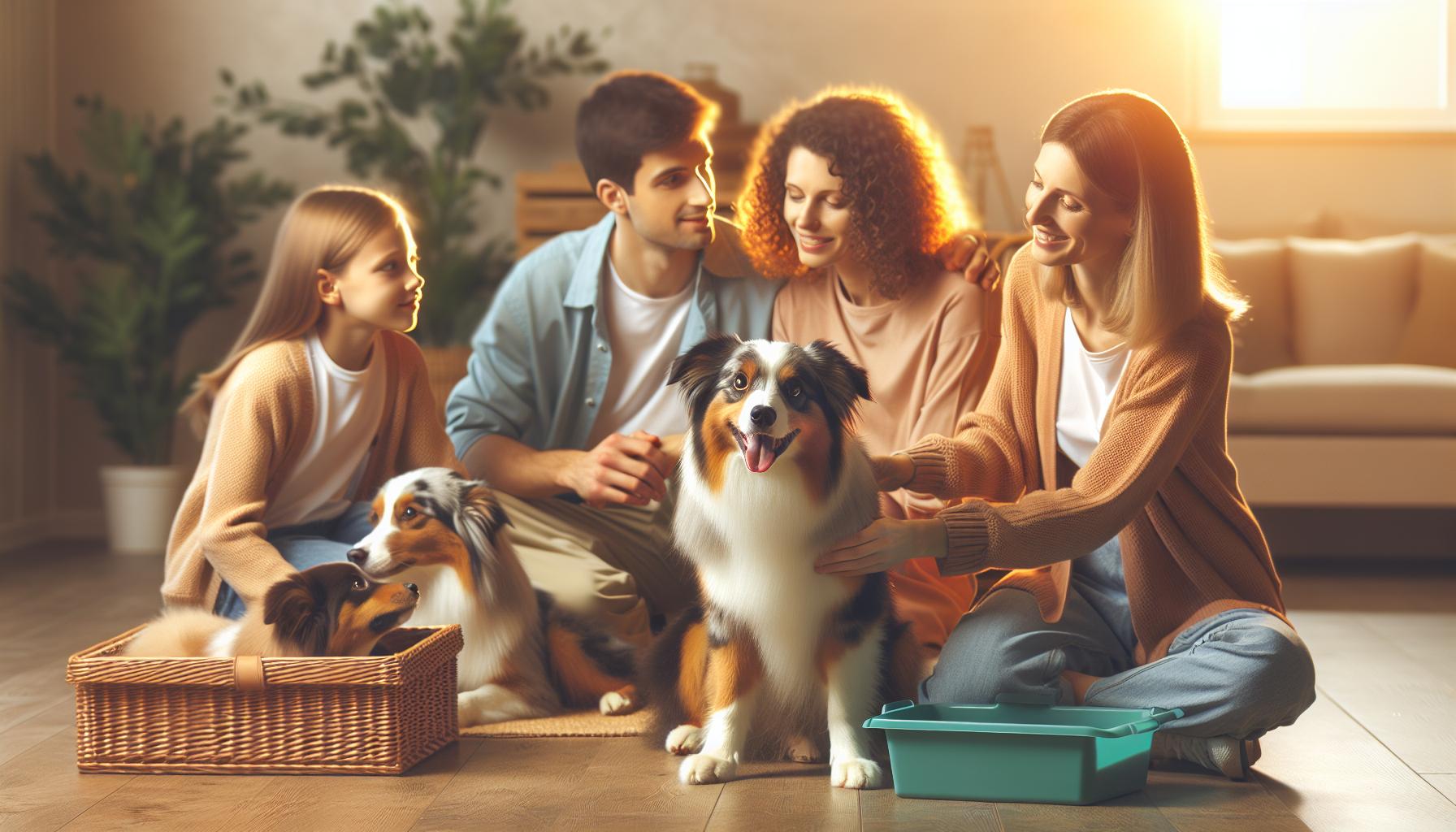
Training Needs for a Harmonious Household
Mini Australian Shepherds are not just adorable bundles of energy; they are also highly intelligent and responsive, which makes them an exceptional choice for families seeking a loving companion. However, understanding the specific training needs of this breed is vital to ensure a harmonious household. These dogs thrive in environments where they receive consistent guidance and positive reinforcement, and they require training that marries obedience with the opportunity to engage their minds. Incorporating structured training sessions into their daily routine is essential not just for their obedience but also for enhancing the bond between the dog and family members.
To create a well-rounded training approach, focus on several key areas:
Essential Training Areas
- Basic Obedience: Teaching commands such as sit, stay, and come lays the groundwork for a well-behaved pet.
- Socialization: Introduce your Mini Aussie to various people, environments, and other pets to help them become well-adjusted, adaptable adults.
- Interactive Games: Incorporate mental challenges like puzzle toys, scent games, and agility training to keep their intelligent minds stimulated.
Many families find that establishing a routine for training sessions helps. For example, dedicating 15-20 minutes each day to practice commands or engage in play can significantly improve behavior and deepen your bond. It’s also crucial to involve all family members in the training process; this not only reinforces the dog’s learning but also promotes an inclusive family dynamic where everyone shares the joy of training their new furry friend. By understanding that training is not just about obedience but also about mutual communication and respect, your family can foster a loving, well-adjusted Mini Aussie that becomes an integral part of your household.
Socialization Guidelines for Mini Australian Shepherds
Socialization is a crucial aspect of raising a well-rounded Mini Australian Shepherd. These intelligent and energetic pups thrive on interaction, and proper socialization can significantly enhance their adaptability within a family setting. Early exposure to various environments, people, and other animals not only helps to reduce anxiety in new situations but also fortifies their innate characteristics, making them exceptional family companions. Striking the right balance in socialization can promote their natural herding instincts while ensuring they remain confident and friendly around children and other pets.
To effectively socialize your Mini Aussie, consider implementing a diverse range of experiences during their formative months. Start with regular puppy classes, which provide a controlled environment for engagement with other dogs and people. Additionally, incorporate family-friendly activities, such as children’s playdates or outings to pet-friendly places. Gradually introduce your dog to calmer adult dogs and well-behaved pets to foster healthy relationships. Here are a few strategies to consider:
- Vary the Environment: Take your Mini Aussie to different parks, neighborhoods, and pet stores to encounter new sights, sounds, and smells.
- Positive Reinforcement: Encourage good behavior during socialization by rewarding your pup with treats and praise, making each encounter a positive experience.
- Meet New People: Organize visits with friends and family who have different lifestyles or personalities to teach your dog about diverse human behaviors.
- Controlled Introductions: When meeting new dogs, ensure the initial interactions are under supervision and in a neutral setting to prevent territorial disputes.
Remember to be patient; some dogs may take longer to warm up than others. Consistency in practice, along with positive reinforcement, will yield remarkable results. By investing time and effort into socialization, you’re setting the stage for a Mini Australian Shepherd who will not only fit seamlessly into your family but will also exhibit well-behaved, confident, and joyous characteristics throughout their life.
Exercise Requirements to Keep Your Aussie Happy
The Mini Australian Shepherd is a bundle of energy and intelligence, often described as a small dog with a big personality. To ensure your Mini Aussie remains happy and healthy, adequate exercise is paramount. These dogs thrive on activity and engagement, needing both physical and mental stimulation to prevent boredom, which can lead to behavioral issues. A well-exercised Aussie is not only a joy to have but also a well-behaved companion who adapts seamlessly to family life.
Incorporating a variety of forms of exercise into your daily routine will keep your Mini Aussie enthusiastic and enriched. Here are some effective ways to meet their exercise requirements:
Types of Exercise
- Daily Walks: Schedule long walks of at least 30 minutes to an hour. This not only gives them the physical fitness they need but also provides sensory stimulation from the sights and sounds of the outside world.
- Playtime: Engage in interactive games like fetch or frisbee. Mini Aussies love to chase and retrieve, making these games perfectly suited to their energetic nature.
- Agility Training: Consider agility courses or training as a fun way to tap into their intelligence. It can be a fantastic bonding experience while also promoting physical activity.
- Socialization: Arrange playdates with other dogs or trips to the dog park. This allows your Mini Aussie to interact with fellow canines, enhancing their social skills and offering robust mental stimulation.
Another crucial aspect of exercise is integrating mental challenges alongside physical activity. Mini Aussies are known for their keen intelligence, and without adequate mental engagement, they might become restless. Puzzle toys, training sessions featuring new commands, and scent games can keep their minds sharp and occupied. A combination of structured routines and spontaneous playtime allows these dogs to express their playful nature while strengthening your bond with them. Remember, a tired Aussie is a happy Aussie, so getting creative with their excursive needs will not only help meet their physical requirements but enhance your family life too!
Grooming and Care: What to Expect
While Mini Australian Shepherds are widely celebrated for their charming personalities and intelligence, they also require dedicated grooming and care to thrive as beloved family companions. These vibrant dogs shed seasonally, so staying on top of their grooming routine is essential not only for their health but also for maintaining a fur-free home environment. Regular brushing, ideally two to three times a week, is crucial for managing their medium-length coat. This routine helps to remove loose hair and dirt while preventing matting, which can be a common challenge with their thick undercoat. Additionally, introducing grooming practices during puppyhood will help your Mini Aussie become accustomed to these activities, making the process easier as they grow.
Adopting a proactive approach to grooming can lead to a more rewarding pet ownership experience. Apart from brushing, it’s important to schedule regular nail trims, as excessive nail growth can lead to discomfort and potential injury. Bathing should be done as needed, typically every couple of months, or if they roll in something particularly adventurous during playtime. Another often-overlooked aspect of grooming is dental health. Incorporating routine tooth brushing into your Mini Australian Shepherd’s care regimen can prevent dental disease and promote overall well-being. To simplify care, consider investing in quality grooming tools and perhaps consulting with a professional groomer who understands the breed’s specific needs. This way, you’ll not only foster a strong bond with your furry friend but also ensure they look and feel their best.
Health Considerations for Mini Australian Shepherds
Miniature Australian Shepherds are not just adorable companions; they also possess unique health considerations that potential owners should be aware of. Although they are generally healthy dogs, like all breeds, they can be prone to specific health conditions due to their genetic makeup. Understanding these potential health issues is essential for ensuring a long, happy life for your Mini Aussie. Common health concerns include hip dysplasia, progressive retinal atrophy (PRA), and certain types of autoimmune disorders. Regular veterinary check-ups, combined with a balanced diet and proper exercise, can significantly mitigate these risks.
To keep your Miniature Australian Shepherd in optimal health, consider the following strategies:
- Regular Vet Visits: Annual check-ups help catch any health issues early, allowing for timely interventions.
- Genetic Testing: Screen for common hereditary conditions, especially if you’re considering breeding.
- High-Quality Diet: Provide a nutritious, well-balanced diet tailored to your dog’s specific needs.
- Routine Exercise: Engage in physical activities, as their energetic nature requires regular exercise to maintain a healthy weight and overall well-being.
- Grooming: Regular grooming not only keeps their coat healthy but also allows you to check for skin issues or parasites.
Implementing these practices can help minimize health risks and enhance the quality of life for your Mini Australian Shepherd. By staying proactive about their health, you can ensure that these spirited companions thrive in a loving family environment.
Choosing the Right Environment for Mini Aussies
When considering the best environment for Miniature Australian Shepherds, it’s essential to recognize their energetic and intelligent nature. These dogs thrive in spaces that offer both mental and physical stimulation, making them an excellent choice for active families or individuals who enjoy outdoor activities. An ideal setting combines access to open areas for exercise with a cozy indoor space where they can relax after their adventures. Mini Aussies are known for their strong herding instincts, so providing a safe, fenced yard where they can run and play is highly beneficial. However, if you reside in an apartment, regular visits to parks and sufficient engagement through games and training can fulfill their exercise needs without a yard.
In addition to physical considerations, the emotional well-being of Miniature Australian Shepherds is significantly influenced by their environment. They are highly social dogs that thrive on companionship and family interaction. If possible, aim for a home where someone is often present, whether it’s during the day or evenings. Their need for socialization and mental engagement can be met through interactive toys, training sessions, or playful family activities. Establishing a structured routine that includes both playtime and quiet moments will help your Mini Aussie feel secure and content. Remember, creating an environment that balances stimulation with affection is key to fostering a happy, well-adjusted Miniature Australian Shepherd.
Common Misconceptions About Mini Australian Shepherds
Many people find themselves drawn to the charm of Mini Australian Shepherds, but misconceptions about their behavior and compatibility often cloud judgment. One common myth is that these dogs are simply smaller versions of their Standard Australian Shepherd counterparts. While both breeds share a lively spirit and intelligence, the Mini Aussies have unique traits, particularly in their adaptability to family dynamics. Understanding these differences can help potential owners make informed decisions about integrating a Mini Australian Shepherd into their lives.
Another prevalent misconception is that Mini Australian Shepherds are hyperactive and require constant intense exercise, which can deter potential adopters. In reality, while they do have high energy levels, they also show an incredible capacity to settle down and enjoy quieter moments with their families. Engaging them in daily activities such as agility training, fetch, or playing with toys can fulfill their exercise needs without turning your home into a chaotic environment. Moreover, socialization and mental stimulation are just as crucial; puzzle toys and interactive games encourage them to use their intelligence, further promoting a balanced temperament. By recognizing these attributes, families can confidently welcome a Mini Aussie, ensuring they enjoy a loving and well-adjusted pet that fits harmoniously into their home life.
Key Misconceptions Explained
- They’re Just Miniatures: While they may be smaller, Mini Australian Shepherds have distinct behavioral traits that set them apart from Standard Aussies.
- Constant Need for Activity: Regular play and mental challenges suffice, and they’re just as capable of cozy couch time.
Helpful Tips for New Owners
| Myth | Reality | Advice |
|---|---|---|
| Mini Aussies are overly stubborn. | They respond well to positive reinforcement and training. | Use treats and praise; establish a routine for better results. |
| They aren’t good with kids. | They can be incredibly affectionate and protective. | Supervise interactions and teach both kids and dogs proper boundaries. |
| They need a lot of grooming. | Regular brushing is important, but not overwhelming. | Establish a grooming schedule to keep their coat healthy without stress. |
These clarifications not only empower potential owners with accurate knowledge but also enhance the adoption experience, making it enjoyable and fulfilling for both families and their new furry companions. Understanding these nuances allows families to embrace the joy and spirit of Mini Australian Shepherds, fostering a lasting bond enriched with trust, love, and delightful companionship.
Integrating a Mini Aussie Into Your Family
Bringing a Mini Australian Shepherd into your home can feel like adding a vibrant, energetic piece to your family puzzle. Known for their intelligence and affectionate nature, these little dynamo dogs thrive on companionship and activity, making them well-suited for family life. However, integrating them successfully into your household requires some preparation and understanding of their unique needs. With the right approach, you can cultivate a joyful and harmonious environment that not only welcomes your new furry friend but also enhances family bonds.
To start, establishing a routine that includes daily exercise and mental stimulation is crucial. Mini Aussies are lively and require a significant amount of physical activity-think daily walks, playtime at the park, or engaging fetch sessions. In addition to exercise, their intelligent nature means they benefit from brain-teasing activities. Investing in puzzle toys or enrolling them in obedience classes can be a great way to keep them challenged and mentally sharp. Most importantly, encourage family involvement in these activities. Whether it’s the kids taking turns tossing a ball or teaching the dog a new trick, shared responsibilities can foster strong bonds between your Mini Aussie and all family members.
Another essential aspect of a successful integration is socialization. From a young age, exposing your Mini Aussie to a variety of environments, people, and other pets helps them develop into a well-rounded companion. Schedule family outings that include your dog-a visit to a dog-friendly café or a trip to the beach is not only fun but also helps your Mini Aussie build confidence in new situations. Consider hosting playdates with other dogs to facilitate social skills and reinforce positive behavior. Building this foundation will create a sense of security for your furry friend, making them a seamless part of the family dynamic.
As you prepare to welcome this spirited breed into your lives, patience and consistency in training will be your best allies, setting the stage for a rewarding companionship filled with love, loyalty, and endless adventure.
Benefits of Mini Australian Shepherds as Pets
Mini Australian Shepherds, officially known as Miniature American Shepherds, pack a wealth of benefits into their compact frames, making them ideal companions for families. With their friendly demeanor and vibrant energy, they are remarkably adaptable and will fit into various living situations, whether you reside in a spacious home with a backyard or a cozy apartment. Their smaller size doesn’t compromise their herding instincts or agility; they thrive during playtime and require regular exercise to keep them healthy and happy. Families with children or other pets will find that Mini Aussies are known for their affectionate nature and playful spirit, often forming strong bonds with all members of the household.
In addition to their playful and friendly temperament, Mini Australian Shepherds are highly intelligent dogs. This intelligence translates to ease of training, making them excellent candidates for obedience and agility training. Owners will appreciate that these dogs are eager to please, which can lead to meaningful interactions and activities together. Understanding your Mini Aussie’s needs for mental and physical stimulation is crucial; incorporating puzzle toys and agility courses can keep them engaged and prevent boredom. Overall, the combination of their endearing personalities, adaptability, and keen intelligence makes Mini Australian Shepherds not only great family pets but also wonderful companions for individuals seeking an active, loving, and loyal friend.
Key Benefits of Mini Australian Shepherds
- Friendly and Affectionate: They quickly bond with family members and enjoy participating in family activities.
- Adaptable Size: Perfect for various living environments, including apartments and homes with yards.
- Intelligent and Trainable: Their eagerness to learn makes them suited for various dog sports and training tasks.
- Playful Nature: They require regular exercise, which encourages family playtime and physical activity.
Q&A
Q: Are Mini Australian Shepherds good family pets?
A: Yes, Mini Australian Shepherds can be excellent family pets due to their friendly demeanor and intelligence. They are loyal and often bond closely with their family members, making them great companions for children. To learn more about their compatibility, check the Family Compatibility Guide in our main article.
Q: What are the characteristics of Mini Australian Shepherds that make them suitable for families?
A: Mini Australian Shepherds are energetic, affectionate, and highly trainable. Their social nature allows them to adapt well to family life. They require regular exercise and mental stimulation, making them great playmates for active families. Explore their behavioral traits further in our detailed guide.
Q: How do Mini Australian Shepherds interact with children?
A: Mini Australian Shepherds typically interact well with children, displaying patience and playfulness. They thrive in a family environment where they can engage in activities. Supervision during play is essential, especially with younger kids, to ensure safe interactions. For tips on fostering these relationships, refer to our Family Compatibility section.
Q: What challenges might families face with Mini Australian Shepherds?
A: While Mini Australian Shepherds are wonderful pets, families may face challenges such as their high energy levels and need for mental stimulation. Without sufficient exercise and engagement, they can develop behavioral issues. To learn how to effectively channel their energy, read our advice section in the main guide.
Q: Do Mini Australian Shepherds require a lot of training?
A: Yes, Mini Australian Shepherds benefit from consistent training. They are intelligent and eager to please, which makes them quick learners. Early socialization and obedience training are crucial to ensure they develop good manners. For training tips, look into our training strategies within the Family Compatibility Guide.
Q: Are Mini Australian Shepherds hypoallergenic?
A: No, Mini Australian Shepherds are not considered hypoallergenic. They shed moderately throughout the year, which can trigger allergies in sensitive individuals. Regular grooming can help minimize shedding. For tips on grooming and care, visit the maintenance section of our main article.
Q: Can Mini Australian Shepherds adapt to apartment living?
A: Yes, Mini Australian Shepherds can adapt to apartment living, provided they receive enough daily exercise and mental stimulation. Regular walks and play sessions are essential to keep them happy and healthy. For more tips on living with this breed in smaller spaces, see our adaptability tips in the guide.
Q: What is the lifespan of Mini Australian Shepherds?
A: Mini Australian Shepherds typically live between 12 to 15 years. Regular vet check-ups and a balanced diet can help ensure a longer, healthier life. For more information on health and wellness, refer to our health section in the Family Compatibility Guide.
For additional insights into the unique traits and care of Mini Australian Shepherds, feel free to continue reading our comprehensive guide. Your perfect pet match might just be waiting for you!
Insights and Conclusions
In conclusion, Mini Australian Shepherds are not only adorable companions but also highly intelligent and active pets that thrive in family settings. Their playful nature and loyal demeanor can enrich your home life, making them the perfect addition to your family. If you’re ready to welcome a new furry friend into your life, consider the needs and environment these dogs require to ensure a harmonious integration.
For more insights on keeping your Mini Australian Shepherd happy, check out our articles on “Mini Australian Shepherd Training Tips” and “Best Toys for Active Dogs.” Don’t miss out-subscribe to our newsletter for exclusive tips and resources tailored for Aussie owners.
We’d love to hear your thoughts! Share your experiences in the comments below, and explore further to ensure you’re fully prepared for the joy of having a Mini Australian Shepherd in your home. Remember, the more informed you are, the richer your journey with your new companion will be!
Get our latest guides, news, and insights highlighted in your Google Search & AI Overviews.


