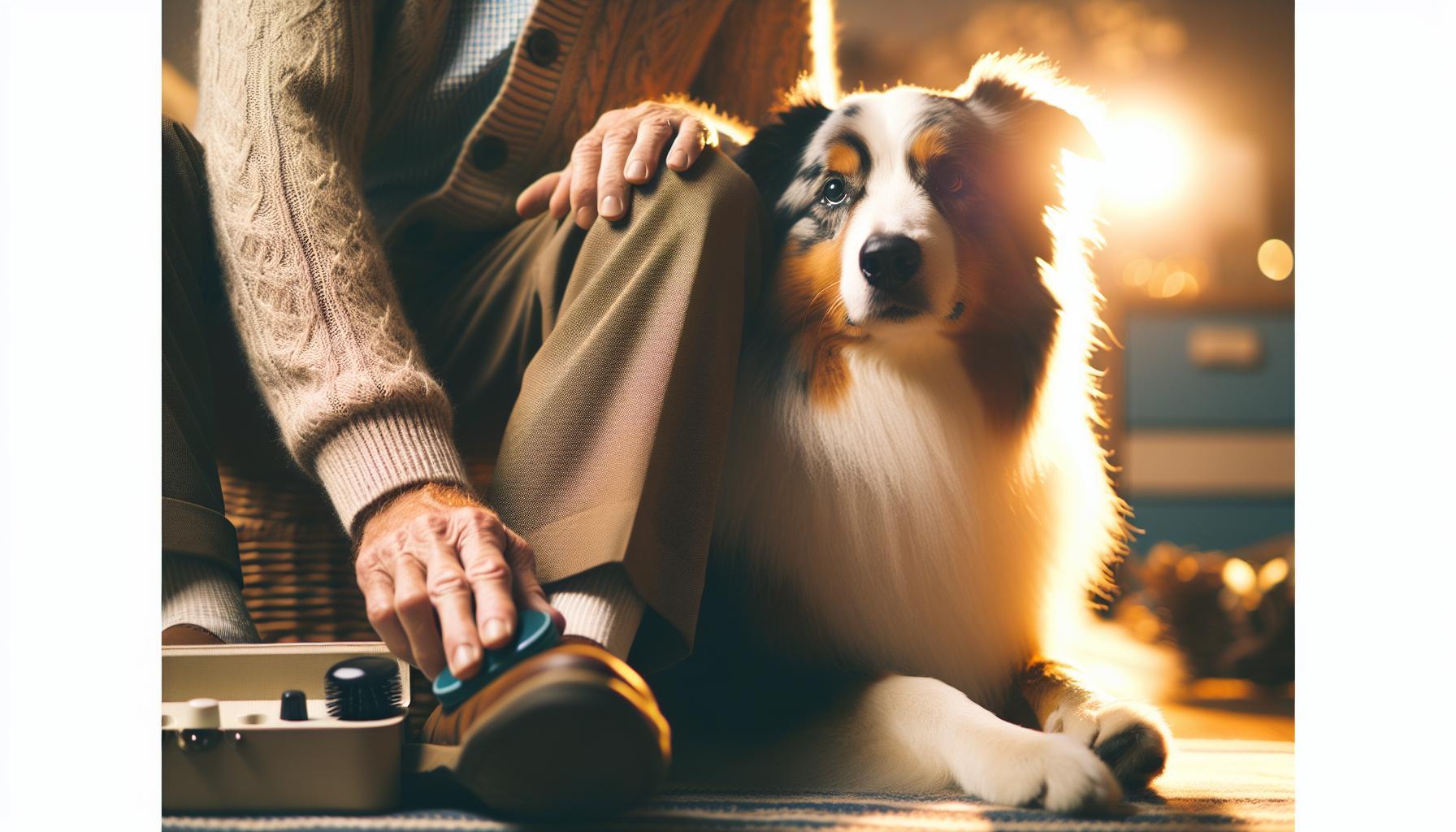
Did you know that Australian Shepherds and Aussies are often confused, even among seasoned dog lovers? While both breeds share similar names and herding backgrounds, they are distinct in several crucial ways. Understanding their differences can significantly impact your choice in a furry companion, influencing everything from temperament to care needs.
As a potential or current dog owner, grasping these nuances helps you better meet your pet’s unique requirements and expectations. Whether you’re looking to adopt, train, or simply educate yourself about these captivating breeds, knowing the differences can enhance your relationship with your dog and enrich your experience.
Curiosity piqued? Let’s delve into the key distinctions that set these two remarkable breeds apart, ensuring you make informed decisions in your dog ownership journey!
Are Aussies Different from Australian Shepherds?

While many people often confuse Aussies with Australian Shepherds, understanding the key distinctions between these two breeds is crucial for anyone considering bringing one into their home. First and foremost, it’s important to note that “Aussie” is a colloquial term affectionately used to refer to Australian Shepherds. However, the breed known as the Australian Cattle Dog or Blue Heeler can sometimes be mistakenly labeled as “Aussies” as well. Each of these breeds has its unique traits, making it essential to know what sets them apart, especially for prospective dog owners.
One of the main differences lies in their physical appearance and temperament. Australian Shepherds are medium-sized, with a sturdy build and a varied coat color palette, often featuring merle patterns. They are known for their intelligence and energy, excelling in agility and herding activities. In contrast, Australian Cattle Dogs, while also energetic, are usually slightly more compact and possess a distinctive coat with a more uniform color. Their temperament tends to lean towards being more protective and independent, which can present unique challenges for first-time owners. Recognizing these differences enables you to match your lifestyle with the ideal breed while ensuring that you provide the right training and socialization necessary for a healthy, fulfilling relationship with your furry companion.
Key Distinctions
- Origin: Australian Shepherds were developed in the United States, while Australian Cattle Dogs were bred in Australia for herding cattle.
- Physical Traits: Sizes and coat types may vary; Shepherds typically have longer fur compared to the short-haired Cattle Dog.
- Temperament: Shepherds are often more trainable and eager to please, whereas Cattle Dogs exhibit a more strong-willed demeanor.
These distinctions are not just academic; they have real implications for training, exercise needs, and overall compatibility with human lifestyles. If you’re leaning towards one of these incredible breeds, consider how its characteristics align with your daily routine and living situation-understanding these nuances will enhance the joy and satisfaction of your canine companionship.
The Origins of the Aussie and the Australian Shepherd
Did you know that the Australian Shepherd, often affectionately dubbed the “Aussie,” isn’t actually from Australia? This breed’s origins can be traced back to the United States, emerging as a beloved herding dog in the late 19th century, primarily bred to assist ranchers in managing livestock. The breed’s name is often attributed to its connection with Basque shepherds who came to America with their sheep from Australia, but it’s an intriguing twist in the tale that highlights the often misunderstood nature of breed origins. This beautiful blend of history and culture has contributed to the Australian Shepherd’s reputation as an agile, intelligent companion and working dog recognized by their striking coats and vibrant personalities.
In contrast, when people refer to “Aussies,” they may also be discussing Australian Cattle Dogs, which do indeed hail from Australia and were developed for herding cattle in the challenging outback. These two breeds have different backgrounds, physical attributes, and temperaments, which can lead to confusion among owners and potential pet parents. When considering whether to introduce an Aussie or an Australian Shepherd into your home, it’s essential to recognize these disparities. Understanding their unique herding instincts, energy levels, and training needs will not only foster a deeper appreciation for each breed’s characteristics but will also guide you toward making an informed decision that best fits your lifestyle. The key to a fulfilling relationship with either breed lies in understanding their origins, which can inform your approach to training and care, ensuring a happy and healthy life for your new furry companion.
Understanding the Breed Characteristics of Each

Aussies and Australian Shepherds share a strong resemblance, leading many to mistakenly believe they are the same breed. However, understanding their distinct breed characteristics can enhance your appreciation of each dog’s unique traits and needs. For instance, while both breeds exhibit intelligence and a high energy level, their temperaments and physical features differ in significant ways that cater to varying lifestyles and preferences.
The Australian Shepherd is often known for its herding instincts and versatility in roles including service dog, therapy dog, or performance athlete. They possess a sturdy build, with a medium length coat that often flaunts marking patterns, including merles, which are stunning to behold. In contrast, the Aussie, typically a shorter form of the Australian Shepherd, often presents a more compact frame, with a variety of colors and patterns lending to their charm. Below are some key characteristics to better understand and differentiate between the two:
Key Characteristics of Each Breed
| Characteristic | Australian Shepherd | Aussie |
|---|---|---|
| Size | Medium to large (40-65 lbs) | Medium (30-60 lbs) |
| Coat | Medium-length, often wavy | Short to medium-length, typically straight |
| Color | Merle, black, red, often with white markings | Variety of colors, often not merle |
| Temperament | Energetic, intelligent, highly trainable | Affectionate, playful, social |
| Exercise Needs | High (requires at least 1-2 hours daily) | Moderate to high (at least 1 hour daily) |
Both breeds are known for their intelligence and trainability. However, pros and cons exist for each. If you’re considering adding either to your pack, it’s vital to engage in daily activities, like agility training or obedience, as these outlets will help channel their innate energy and intellect positively. Keeping them active and mentally stimulated is fundamental to preventing behavioral issues, ensuring you and your furry friend flourish in your shared lives. With the right understanding and commitment, both the Australian Shepherd and the Aussie can bring unbridled joy and companionship into your home.
Physical Differences: Size, Coat, and Color Variations

There’s an undeniable charm in the variety of looks between Aussies and Australian Shepherds that catches the eye and captivates the heart of every dog lover. At first glance, you may recognize these breeds for their herding instincts and intelligence, but when it comes to their physical characteristics, subtle differences can help you tell them apart. From their size to the distinctive coat variations, understanding these traits not only enhances your relationship with your pup but also aids in their care and training.
Australian Shepherds are typically known for their sturdy build; males usually weigh around 50-65 pounds and stand about 20-23 inches tall at the shoulder, while females tend to be slightly smaller. In contrast, what many refer to as “Aussies” are often a reference to Australian Cattledogs or other similar breeds, which can range in size but generally fall within a weight of 30-50 pounds and a height of 18-22 inches. Their coat also tells a story, featuring a medium-length fur that can be straight or wavy. Australian Shepherds are recognized for their unique color patterns and generous array of options, including merle, tri-color, and solid tones ranging from blue to red.
Coat and Color Variations
When it comes to coat and color, the differences become even more pronounced. An Australian Shepherd’s striking coat can come in a mesmerizing blend of colors. The merle pattern, with its mottled effect, is particularly sought after. It’s not just about aesthetics; it also correlates with specific health considerations. For those considering bringing one of these vibrant beauties into their lives, regular grooming is essential to keep their coat in optimal condition and reduce shedding. In contrast, dogs often referred to as “Aussies” may have a shorter, denser coat-tailored more for utility and protection in harsher climates, showing steady colors like blue or red without the intricate merled pattern.
Practical Grooming Tips:
- Brush regularly: Aim for at least once a week to minimize shedding and matting.
- Check for skin issues: Given their varying coat types, look for signs of irritation or infection that may require attention.
- Consider professional grooming: For Australian Shepherds, a trip to the groomer every few months can keep their coat looking its best.
Understanding these physical distinctions not only enriches your appreciation of these breeds but also prepares you for the unique responsibilities that come with each. Whether you find yourself drawn to the Australian Shepherd’s playful personality or the unique charm of the “Aussie,” it’s essential to consider these aspects to ensure a harmonious bond with your lovable companion.
Temperament: Comparing Personality Traits
There’s a fascinating interplay of personality traits when it comes to Australian Shepherds and their close relative, the Australian Cattle Dog, often colloquially referred to as “Aussies.” While they share some similarities, their temperaments can differ markedly, impacting their suitability as companions for different owners. Both breeds are known for their intelligence, work ethic, and energetic nature, but they express these traits in ways that may resonate differently with potential dog owners. Understanding these nuances is crucial in making an informed decision when adopting your next canine companion.
Australian Shepherds are often regarded as affectionate and social dogs who thrive on human interaction. They are eager to please, making them highly trainable and responsive to commands-invaluable traits for families or individuals who intend to engage in activities like obedience training, agility, or even therapy work. In contrast, Australian Cattle Dogs tend to be more independent and can be stubborn, reflecting their origins as herding dogs. This independence might make them require a firmer hand during training sessions, but their loyalty and protectiveness towards their owners are unmatched. When thinking about incorporating one of these intelligent breeds into your life, consider the following aspects:
Key Temperament Traits
| Trait | Australian Shepherd | Australian Cattle Dog |
|---|---|---|
| Affectionate | Highly social, enjoys companionship | Loyal but independent |
| Trainability | Eager to please, quick learner | Intelligent but may be stubborn |
| Energy Level | Very high, needs physical and mental stimulation | High, requires regular exercise and challenging tasks |
| Protectiveness | Can be aloof with strangers, protective of family | Highly protective, often wary of strangers |
By recognizing these traits, prospective dog owners can better assess which breed aligns most closely with their lifestyle, energy levels, and training ambitions. For families with children, an Australian Shepherd may offer gentleness and camaraderie, whereas those seeking a steadfast companion with a slightly more aloof temperament might gravitate toward the Australian Cattle Dog. Taking the time to learn about each breed’s distinctive characteristics can enhance the bond you form with your new pet, leading to a happy and fulfilling partnership for years to come.
Common Misconceptions About Aussies and Australian Shepherds

When it comes to Australian Shepherds, confusion often arises around their name and origins, leading to several misconceptions that can hinder potential owners from fully understanding this remarkable breed. One of the most prevalent myths is that Australian Shepherds hail from Australia. In reality, this breed was developed in the United States during the 19th century, primarily to assist in herding livestock. Their connection to Australia stems from the Basque shepherds who imported sheepdogs from Australia during the Gold Rush era, not from the breed’s heritage itself. Recognizing this distinction is vital as it helps potential owners appreciate the breed’s American roots and its rich history in ranching and farming.
Additionally, many people mistakenly believe that all dogs referred to as “Aussies” are Australian Shepherds. In fact, the term “Aussie” can also refer to the Australian Cattle Dog or even the Australian Silky Terrier. This pluralism can blur lines, particularly for first-time dog owners who may be seeking out the highly trainable and active traits of the Australian Shepherd specifically. To become a well-versed advocate for your furry friend, it’s essential to clarify that Australian Shepherds are medium-sized, herding dogs known for their intelligence, agility, and innate working drive.
Common Misconceptions
- Common Name Confusion: Understanding that “Aussie” can refer to multiple breeds helps correctly identify the traits and needs of an Australian Shepherd.
- Overestimating Size Variability: Potential owners often think all Australian Shepherds are large; however, they typically range from 40 to 65 pounds.
- Assuming Behavioral Uniformity: While intelligent, they require specific training and socialization to thrive; their temperament greatly depends on responsible upbringing.
Grasping these common pitfalls not only enriches your understanding of Australian Shepherds but also prepares you to provide the best environment and care for these lively companions. Whether you’re a seasoned owner or considering bringing an “Aussie” into your family, dispelling these misconceptions can lead to a deeper connection with your dog, effective training practices, and a more fulfilling shared life together.
Activity Levels: Which Breed Requires More Exercise?
Every Australian Shepherd, regardless of whether it’s called an “Aussie” or “Australian Shepherd,” is a bundle of energy designed for action. These dogs were originally bred to help herd livestock, which means they possess not only remarkable physical stamina but also an intelligent and active mind. This unique ancestry leads to one prominent truth: these dogs thrive on exercise and mental stimulation. If you’re considering welcoming an Aussie into your home, be prepared for a furry friend who requires a substantial commitment to daily activity.
When it comes to exercise needs, it’s important to highlight that both Australian Shepherds and Aussies exhibit high energy levels demanding consistent engagement. An active adult Australian Shepherd should typically receive at least 1 to 2 hours of exercise each day, which can include a combination of walking, running, playing fetch, or participating in agility and obedience training. Here’s how you can support their physical and mental well-being:
- Daily Walks: Aim for long, brisk walks that challenge their endurance.
- Interactive Play: Engage in games like frisbee or fetch to satisfy their herding instincts.
- Training Sessions: Incorporate training exercises to keep them mentally stimulated; consider agility courses for both fun and fitness.
- Socialization: Arrange playdates with other dogs to help burn off excess energy.
Understanding Their Distinct Needs
Though one might think all Aussies require the same level of physical activity, variations can arise based on individual personalities and energy levels. Some may possess higher stamina, while others, especially those with a more laid-back temperament, might adapt to slightly less vigorous routines. A good approach involves observing your dog’s energy levels and adjusting their activity accordingly. For instance, a puppy may require shorter, more frequent bursts of activity, while an adult Aussie can handle prolonged sessions. Not only does tailored exercise help maintain optimal health, but it also fosters a crucial bond between you and your furry companion, encouraging a more fulfilling relationship. Remember, providing the right amount of exercise ensures your Australian Shepherd remains happy, healthy, and well-adjusted in your home.
Health Considerations for Each Breed
It may come as a surprise to some, but both the Aussie and the Australian Shepherd, despite their interchangeable names, can exhibit distinct health considerations based on their lineage and breed characteristics. Understanding these nuances is crucial for any prospective owner looking to provide the best care possible. Prominent issues for the Australian Shepherd include hip dysplasia, a condition that affects the joints, leading to arthritis if unchecked. Regular vet check-ups, a focused exercise regimen, and maintaining an ideal weight can help manage these risks. Similarly, eye problems like cataracts and progressive retinal atrophy (PRA) are common; owners should prioritize routine eye examinations to catch these issues early.
When it comes to the Aussie, health considerations may shift slightly. While this breed can face hip dysplasia too, the most notable health concerns often involve hereditary conditions like epilepsy or various allergies, including food and skin allergies. To mitigate these risks, ensuring a balanced diet and selecting high-quality food free from fillers can markedly impact an Aussie’s overall well-being. Keeping up with vaccinations and preventative treatments for potential parasites also serves as a layer of safety. Additionally, active mental stimulation is essential; engaging with puzzles or agility training can not only keep the dog fit but also lower the chances of stress-related ailments that many herding breeds may experience. Here’s a quick summary of key health issues to watch for in both breeds:
| Health Issue | Breed(s) Affected | Prevention Strategies |
|---|---|---|
| Hip Dysplasia | Both | Regular vet checks, weight management, exercise |
| Eye Problems (e.g., cataracts, PRA) | Australian Shepherd | Routine eye exams, early treatment |
| Allergies (food & skin) | Aussie | High-quality diet, vet consultations |
| Epilepsy | Aussie | Regular monitoring, medications as prescribed |
Being aware of these health considerations can empower owners to take proactive steps in caring for their furry companions. With the right attention and love, both the Aussie and the Australian Shepherd can lead vibrant, healthy lives, delighting their families with their spirited personalities for many years.
Training Needs: Approaches for Aussies vs. Australian Shepherds
Aussies and Australian Shepherds, while often thought to be the same, come with distinct training needs that reflect their unique characteristics. Understanding these differences is crucial for owners who want to ensure their dogs thrive in their environments. Whether you’re welcoming an Australian Shepherd into your home for the first time or you’re a seasoned Aussie parent, knowing the specific approaches to training each breed can make all the difference in nurturing their intelligence and energy. For instance, Australian Shepherds are renowned for their strong herding instincts and boundless energy, making structured training programs essential. In contrast, Aussies may require more flexibility due to their adaptability and sometimes, a slightly less intense drive.
When training an Aussie, you might want to leverage their innate ability to read human emotions and cues. Employing positive reinforcement techniques-like offering praise or treats for desired behaviors-can yield remarkable results. Here are some effective strategies you might consider:
Training Approaches for Effective Learning
- Consistency is Key: Both breeds respond well to consistent commands and routines. Establish a clear set of expectations and stick with them.
- Engagement through Play: Incorporate games and physical activity, especially for Australian Shepherds who thrive on dynamic interaction.
- Early Socialization: Start socialization as early as possible. This helps both breeds to adjust to different environments, people, and other animals.
- Variety of Training Activities: Aussies may benefit from varied activities, including obedience, agility, or even mental puzzles to keep them engaged.
- Patience and Understanding: Acknowledge that each dog is unique in their learning styles and pace. Tailor your approach based on their response.
The table below summarizes some critical training needs for both breeds:
| Aspect | Australian Shepherds | Aussies |
|---|---|---|
| Energy Levels | High; requires rigorous daily exercise | Moderate; enjoys exercise but can adapt |
| Training Style | Structured with clear commands | Flexible with room for creativity |
| Socialization | Needs thorough exposure to different environments | Benefits from varied experiences to maintain sociability |
| Learning Speed | Quick learners but may become bored easily | Adapts well but may need more motivation to engage |
By embracing these training strategies and recognizing the unique needs of each breed, you’re well on your way to fostering a strong bond with your Aussie or Australian Shepherd while helping them reach their full potential. Understanding and adjusting your approach will not only make the training experience more enjoyable for both of you but will also contribute positively to their overall well-being and behavior.
Living Arrangements: Ideal Homes for Each Breed
When considering the ideal living arrangements for Australian Shepherds and their close counterparts, the Aussies, it’s important to understand their high-energy needs and social nature. Both breeds thrive in environments that allow for ample activity and engagement, but there are subtle differences in their requirements based on temperament and energy levels. For an Aussie, a spacious home with a large backyard can facilitate the vigorous play and mental challenges essential for their happiness. For instance, a family that enjoys outdoor activities will find that their Australian Shepherd loves to fetch a frisbee or run agility courses, making a home with direct access to open spaces a perfect match.
Home Environment Suitability
Creating an enriching atmosphere is key to addressing the behavioral needs of these intelligent breeds. Here are some practical tips for setting up your home:
- Outdoor Space: Ideally, both breeds would benefit from a secure backyard where they can roam freely. A fence is crucial to keep them safe and prevent them from chasing after distractions.
- Indoor Engagement: For owners with less outdoor space, providing mental stimulation indoors is essential. Puzzle toys, interactive games, and training sessions can be great ways to tire them out mentally.
- Social Interaction: These dogs are exceptionally social and do best in homes where they can interact with their humans regularly. If you’re often away, consider enrolling your Aussie in doggy daycare or inviting friends with dogs for playdates.
Feeding and Wellness Areas
Your living arrangements should also cater to their health and well-being, which are paramount to their happiness. Establishing specific zones in your home for feeding, grooming, and relaxation can make a significant difference.
| Area | Recommendations |
|---|---|
| Feeding Area | Designate a quiet spot with easy-to-clean surfaces. Use elevated bowls if your Aussie is prone to gulping food too quickly. |
| Grooming Space | Set up a specific area for brushing your dog. Regular grooming prevents matting, especially in Australian Shepherds with longer coats. |
| Rest Area | Provide a cozy bed in a quiet zone where your dog can retreat when they need rest. This is especially important for Aussies who tend to be active thinkers. |
By considering the specific needs of both breeds, you’ll create a living environment that not only supports their energetic lifestyles but also strengthens the bond between you and your beloved furry companions. With these thoughtful arrangements, you can ensure a happy, fulfilling life for your Australian Shepherd or Aussie, making your home a true haven for them.
Grooming Needs: Managing Their Coats Differently
The Australian Shepherd, affectionately known as the Aussie, is celebrated not only for its intelligence and agility but also for its stunning coat that demands specific grooming practices. One fascinating aspect of the Aussie is their double coat, which consists of a soft undercoat and a coarser outer coat. This combination provides insulation against varying weather conditions, making it essential to manage their coats differently from many other breeds. A well-groomed Aussie not only looks magnificent but also feels comfortable and healthy, which is a top priority for any devoted owner.
To keep an Aussie’s coat in optimal condition, it’s crucial to adopt a structured grooming routine. Regular brushing is essential-ideally at least once a week, though during shedding seasons, you may need to ramp up this frequency to several times a week. Utilize a slicker brush to reach the undercoat and remove tangles, debris, and loose fur. Here are some tips to effectively manage their grooming needs:
- Invest in quality tools: A high-quality slicker brush and a de-shedding tool can make a significant difference.
- Baths and cleaning: Regular baths with a suitable dog shampoo can help maintain a healthy coat, but don’t overdo it; too many baths can strip essential oils.
- Watch for mats: Pay special attention to areas like behind the ears and under the legs, where mats commonly form. Be proactive in keeping these areas tangle-free.
- Professional grooming: Consider seeking professional grooming services a few times a year, particularly for thorough shedding or when sadly facing matting.
With a consistent grooming routine, you can ensure your Australian Shepherd stays comfortable and looks as stunning as ever. Proper coat management not only enhances your dog’s appearance but also fosters a deep bond between you and your furry companion while keeping their skin healthy and free from irritations. Whether you’re a new Aussie owner or a seasoned veteran, embracing these grooming practices is key to maintaining the health and beauty of your Australian Shepherd’s coat.
Finding the Right Fit: Choosing Between the Two
When it comes to selecting the right companion between an Australian Cattle Dog (Aussie) and an Australian Shepherd, understanding their distinct personalities, temperaments, and activity levels can be crucial. Both breeds are intelligent, eager to please, and incredibly energetic, but their specific needs and characteristics can make a significant difference in forming a harmonious partnership with your lifestyle. For instance, while both breeds excel in agility and herding activities, Australian Shepherds tend to be more affectionate and easier to train, which can be a boon for first-time dog owners. In contrast, Australian Cattle Dogs might show a more independent streak, requiring a confident owner who can provide firm guidance and plenty of mental stimulation.
To help you determine which breed suits you best, consider the following factors:
- Activity Level: Aussies are known for their boundless energy and require more exercise than their Cattle Dog counterparts. If you’re an active individual or family who enjoys hiking, running, or engaging in sports, an Aussie might be the better choice. However, if you have a moderately active lifestyle, the Cattle Dog could be a perfect fit.
- Behavioral Traits: Australian Shepherds are typically more eager to please, making them easier and quicker to train. They thrive on positive reinforcement. On the other hand, Australian Cattle Dogs, with their independent nature, may challenge their owner’s authority, requiring more consistent training approaches.
- Living Space: Consider your home environment. An Aussie may adapt well to homes with larger yards or access to open fields, while Cattle Dogs are more adaptable to various living conditions, though they still need ample exercise.
- Social Needs: If you’re looking for a highly social dog that tends to form strong bonds with family, the Australian Shepherd is a loving companion. In contrast, Cattle Dogs can be more reserved but can also be incredibly loyal and protective once they bond with their family.
Ultimately, the decision between an Aussie and an Australian Shepherd should reflect your lifestyle, preferences, and ability to meet each breed’s specific needs. Engaging with breeders, talking to other owners, or even fostering a dog from a local shelter can help you understand each breed’s quirks and requirements better. Whether it’s the affectionate and eager-to-learn nature of the Shepherd or the spirited independence of the Cattle Dog, knowing what you can offer will guide you toward a successful, fulfilling relationship. Remember, a well-matched dog can enrich your life immeasurably, turning everyday moments into cherished memories.
Frequently asked questions
Q: Are Aussies and Australian Shepherds the same breed?
A: No, Aussies and Australian Shepherds are not the same breed, though they are often confused. The term “Aussie” can refer to the Australian Shepherd, but it typically describes the breed’s more affectionate nickname. For accurate breed characteristics, it’s essential to consider their distinct traits.
Q: What are the key differences between an Aussie and an Australian Shepherd?
A: The main differences lie in their size, coat types, and temperament. Australian Shepherds are generally larger and more energetic, while Aussies are slightly smaller with diverse coat patterns. For a detailed comparison, see the section on breed characteristics in our main article.
Q: How do the temperaments of Aussies and Australian Shepherds differ?
A: Both breeds are intelligent and loyal, but Australian Shepherds are typically more energetic and require extensive exercise. Aussies, while still active, may be more adaptable to a family lifestyle. Understanding these temperament differences can help choose the right fit for your home.
Q: Do Aussies and Australian Shepherds have the same health issues?
A: Yes, both breeds can be prone to similar health conditions, such as hip dysplasia and progressive retinal atrophy. Regular vet check-ups and proper breeding can mitigate risks. For preventive care tips, refer to our health section for more insights.
Q: What are common misconceptions about Aussies and Australian Shepherds?
A: A common misconception is that both names refer to the same animal, causing confusion. Another myth is that they require less exercise than they do. Clarifying these misconceptions can help prospective owners make informed decisions about their new pets.
Q: Are training methods different for Aussies and Australian Shepherds?
A: Training methods for both breeds can be similar, focusing on positive reinforcement. However, Australian Shepherds might respond faster due to their higher energy levels, while Aussies may benefit from a more patient approach. Explore effective training strategies in our training guide for more details.
Q: What should I consider when choosing between an Aussie and an Australian Shepherd?
A: Consider factors like lifestyle, activity level, and space. Australian Shepherds are ideal for active individuals or families, while Aussies may suit those seeking a more balanced energy level. Assessing your environment will help ensure a harmonious match with your future furry friend.
Q: How can I ensure a good fit for either an Aussie or an Australian Shepherd in my home?
A: To ensure a good fit, evaluate your daily routine, exercise capabilities, and family dynamics. Research each breed’s specific needs by visiting reputable breed resources for further guidance. Planning ahead will help you provide a nurturing environment for your new companion.
For more in-depth information, feel free to explore the detailed sections of our comprehensive guide on Australian Shepherds and Aussies.
In Retrospect
Now that you understand the key differences between Aussies and Australian Shepherds, it’s time to make a more informed decision about which dog is right for you. Remember, while they share similar traits, their unique characteristics can significantly impact your experience as a pet owner. If you’re eager to dive deeper, explore our comprehensive guides on Australian Shepherd care and training tips to ensure you’re fully prepared for your new furry friend.
Don’t let uncertainty hold you back! Join the community of Aussie enthusiasts today-sign up for our newsletter to receive expert advice and resources straight to your inbox. And if you have more questions or want to share your experiences, we encourage your comments below. For those looking to discover related breeds or further insights into their behavior, check out our articles on herding dogs and dog training essentials. Your journey into the world of Aussies starts now-let’s make it an amazing one together!
Get our latest guides, news, and insights highlighted in your Google Search & AI Overviews.