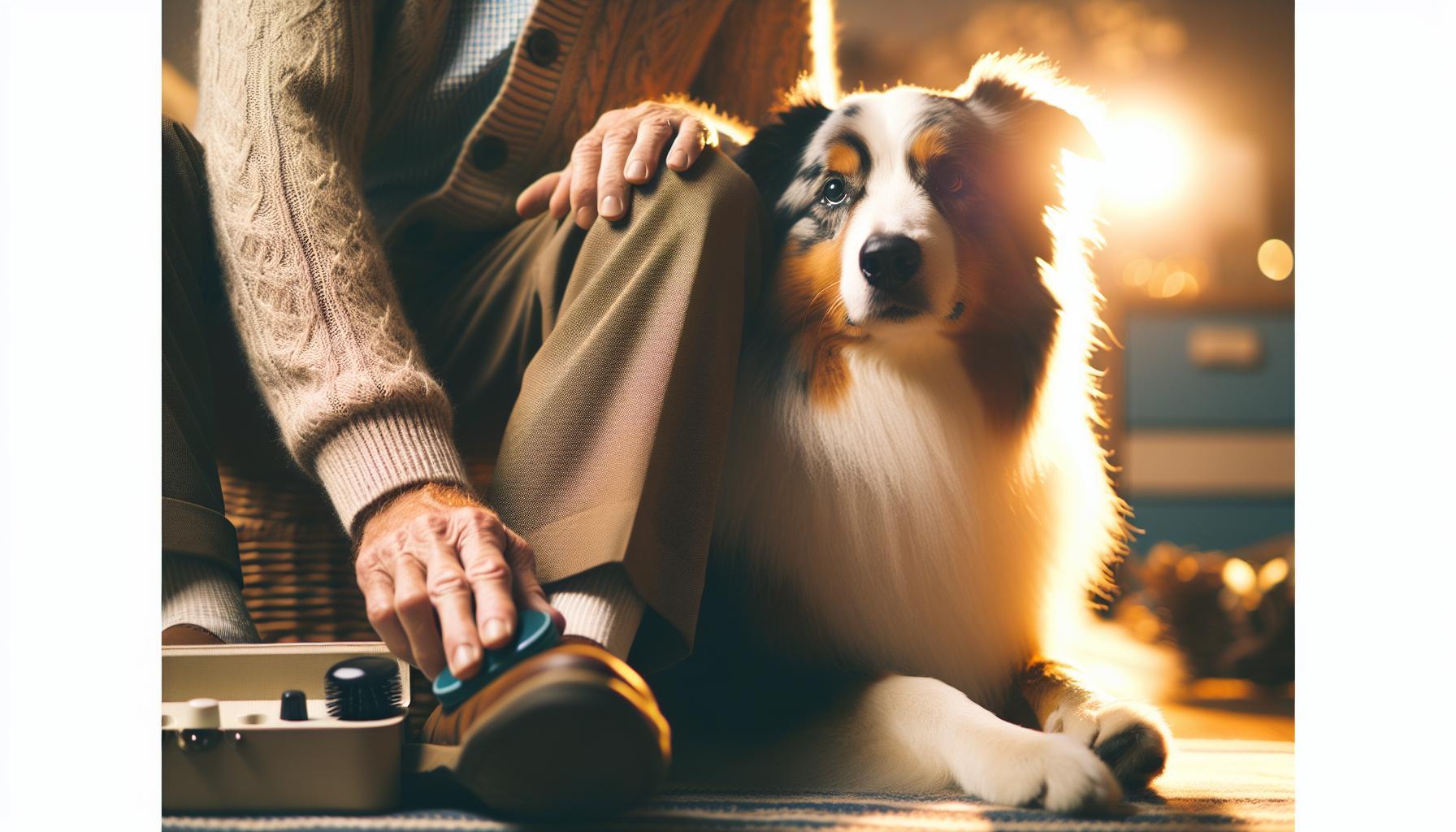
Did you know that some Australian Shepherds are born with naturally short tails, known as “natural bobtails”? This intriguing trait not only sparks curiosity but also reflects the rich history and genetics of this beloved breed. Understanding the nature of natural bobtails is essential for both current and prospective Aussie owners who want to embrace the breed’s unique characteristics responsibly.
In this article, we’ll explore the facts surrounding the natural bobtail phenomenon, addressing common concerns and misconceptions regarding tail length in Australian Shepherds. Whether you’re dealing with a bobtail pup or simply curious about this genetic trait, we’ll provide you with valuable insights that enhance your understanding and appreciation for these remarkable dogs. Join us as we unravel the fascinating world of natural bobtails, ensuring you are well-informed and equipped to care for your Australian Shepherd!
Can Australian Shepherds Be Born Without Tails? Understanding Natural Bobtails
Australian Shepherds are renowned for their intelligence and agility, but they also have a unique trait that piques the curiosity of many dog owners: the occurrence of puppies born with natural bobtails. While most breeds have a standard tail length, the Australian Shepherd can occasionally give birth to puppies with little to no tail, a characteristic that has sparked many questions. These natural bobtails arise due to a genetic mutation and are accepted in breed standards, allowing for a variety of tail lengths among these beloved companions. Understanding the origins and implications of this trait can help prospective and existing owners navigate the nuances of their furry friends.
When it comes to natural bobtails, it’s essential to recognize that they are not a result of surgical alteration but rather an inherent aspect of some Australian Shepherds. This genetic variation can lead to a range of tail appearances, from a short stub to a completely absent tail, often referred to as a “bobtail.” Enthusiasts of the breed celebrate this diversity, appreciating not only the aesthetic uniqueness but also the lively, agile spirit that Australian Shepherds embody regardless of tail length. Moreover, dogs born with natural bobtails tend to exhibit the same health characteristics and temperament as their long-tailed counterparts. If you are considering adding an Aussie to your family or already own one, you might want to consider the following aspects:
- Adaptability: Regardless of tail type, Australian Shepherds are highly adaptable and excel in various environments, making them fantastic family pets.
- Physical Activity: The tail doesn’t determine an Aussie’s ability to engage in sports or outdoor activities-these dogs thrive on physical challenges and mental stimulation.
- Genetic Considerations: If you are planning to breed, understanding the genetics behind natural bobtails can help you make informed decisions about your breeding program.
- Health and Care: Tail length does not impact the overall health of the dog. Regular vet check-ups and care are essential regardless of tail type.
With an increasing interest in genetic traits and breed standards, it’s inspiring to see how natural bobtails have become a beloved aspect of the Australian Shepherd breed. By embracing this unique feature, you can further appreciate the diversity and personality of your furry companion, providing a new friend for every adventure and tail-wagging moment!
The Genetics Behind Natural Bobtails in Australian Shepherds
Did you know that the phenomenon of natural bobtails in Australian Shepherds can be traced back to their genetic makeup? These stunning dogs can be born with short or even nonexistent tails due to a specific genetic mutation. This trait, while unique, raises numerous questions for breeders and potential owners alike, primarily around health implications and breed standards. Understanding the genetics behind this fascinating characteristic is key to appreciating the diversity within this beloved breed.
The gene responsible for natural bobtails in Australian Shepherds is linked to a mutation in the T gene, which plays a crucial role in tail length development. This mutation is inherited in an autosomal dominant manner, meaning that only one parent needs to pass on the gene for an offspring to express that trait. While most Australian Shepherds have full tails, those with the bobtail gene may showcase a much shorter tail or none at all. It’s important for potential owners to note that while many consider this a charming quirk, it can also come with some specific considerations. For instance, bobtail dogs may occasionally face risks of other genetic issues, such as compromised movement or balance, due to the expanded vertebrae in the tail region. To ensure you’re bringing a healthy pup into your home, always seek reputable breeders who prioritize health testing and responsible breeding practices.
The diversity in tail length doesn’t just add visual interest to this breed; it also reflects the intersection of genetics and responsible breeding. When selecting an Australian Shepherd, it’s advisable to inquire about their lineage and any genetic testing that may have been conducted on the parents. By understanding the genetics behind these beloved dogs, you’ll not only enhance your appreciation for their unique traits but also feel more confident in your decision-making as a potential owner.
Common Myths About Australian Shepherds and Tail Docking
Australian Shepherds are a breed beloved for their intelligence and versatility, yet they often come with misconceptions surrounding tail docking and the existence of natural bobtails. A common myth suggests that docked tails are essential for maintaining breed standards or improving function, but this is far from the truth. In reality, many Australian Shepherds are born with natural bobtails due to a genetic mutation, which is perfectly normal and doesn’t hinder their agility or ability to thrive. Understanding the debate around tail docking can help potential owners appreciate the true nature of this vibrant breed.
Another pervasive myth is that all Australian Shepherds must have docked tails to be considered purebreds. This is incorrect, as the breed includes both docked and natural bobtail varieties. In fact, the American Kennel Club recognizes Australian Shepherds with natural tails, reflecting the breed’s diverse heritage. Furthermore, many owners of long-tailed Aussies report that their dogs have no issues with tail-related behaviors, such as herding, signaling, or communication. For those interested in adopting an Aussie, it’s good to note that whether your dog has a tail or not, what truly matters is the bonding experience and love you share. Embracing these differences allows us to appreciate the breed even more fully and helps dispel unnecessary myths.
Understanding Tail Docking
Tail docking has been a longstanding practice in many breeds, often founded on historical usage and aesthetic preferences. However, it’s essential to recognize that the ethics surrounding this procedure have shifted significantly over the years. Today, many advocates argue against docking unless there’s a medical necessity, emphasizing that dogs should be allowed to express themselves fully, including their tail movements.
- Health Concerns: There are no significant health benefits to tail docking in Australian Shepherds. Often, owners mistakenly believe that a docked tail can prevent injury during vigorous activities, but a dog’s natural tail is a vital part of its communication and balance.
- Behavior and Socialization: Tails play a critical role in canine communication; a wagging tail can indicate happiness or excitement, while a lowered tail might signal fear or submission. Allowing an Aussie to keep its tail gives them the ability to communicate more effectively with other dogs and their human companions.
- Breed Diversity: As more owners choose to support Australian Shepherds with natural tails, the perception of the breed is changing. Emphasizing the beauty of all variations-whether docked or natural-shows our commitment to celebrating the full spectrum of this wonderful breed.
By educating ourselves and others on these misconceptions, we promote a more accurate and compassionate view of Australian Shepherds, thus enriching the breeds’ reputation and enhancing their lives.
Recognizing a Natural Bobtail: Physical Characteristics and Traits
Australian Shepherds are a fascinating breed known for their intelligence, agility, and distinctive appearance. One of the unique traits that capture the interest of dog enthusiasts and breed admirers alike is the occurrence of natural bobtails-Australian Shepherds born with little to no tails. This characteristic is not just an aesthetic quirk; it also reflects the breed’s historical roots in herding and working roles. Recognizing a natural bobtail can be an exciting discovery for aspiring owners, as these dogs showcase a remarkable blend of genetics and heritage.
Identifying a natural bobtail Australian Shepherd involves looking for specific physical traits. Typically, a natural bobtail will have a short, blunt end where a tail would normally be located, often measuring just a few inches long or appearing absent altogether. While some may have variations in length, the crucial factor is that this characteristic is inherent from birth. To help you differentiate between a natural bobtail and a docked tail-where the tail has been intentionally removed-consider these key identifiers:
- Tail Shape: A natural bobtail has a rounded, robust end that looks seamless with the body’s natural flow, while a docked tail can have a more abrupt or jagged appearance.
- Fur Texture: The fur covering the area where the tail would be will typically continue smoothly into the dog’s body, displaying a consistent coat texture.
- Behavior and Movement: Observe the dog’s overall persona. A natural bobtail maintains fluid movement and balance, showing agility much like a typical Australian Shepherd would.
These traits not only help in identifying a natural bobtail but also enhance your connection with the breed. Understanding these physical characteristics can empower prospective owners to make informed decisions when selecting their new furry family member. Moreover, honoring the unique traits of natural bobtails can enrich your appreciation for Australian Shepherds as a whole, reinforcing the bond between dog and owner through shared admiration for this exceptional breed.
Potential Health Considerations for Natural Bobtail Australian Shepherds
Many prospective Australian Shepherd owners may be surprised to learn that some of these energetic canines are born without tails. This trait, known as the natural bobtail, often raises questions about potential health considerations. While the absence of a tail can seem trivial, it’s important to be aware of specific health concerns and physical characteristics associated with natural bobtail Aussies, as they can influence your dog’s quality of life and overall well-being.
When considering a natural bobtail Australian Shepherd, one area to focus on is the risk of certain genetic conditions. For instance, natural bobtail is associated with the T gene, which can occasionally lead to spinal issues if not properly managed. Therefore, it is crucial to source your pup from reputable breeders who prioritize genetic testing and health screening. Additionally, you should ensure that your Aussie receives regular veterinary check-ups, as early detection of potential health issues can make a significant difference in treatment outcomes. Owners should also be mindful of conditions related to their activity level, such as hip dysplasia and eye disorders, which may be predisposed in the breed.
To enhance your furry friend’s health and longevity, consider the following best practices:
Tips for Keeping Your Natural Bobtail Aussie Healthy:
- Regular Veterinarian Visits: Schedule annual check-ups and discuss any breed-specific health risks with your vet.
- Healthy Diet: Provide a balanced diet tailored to their age, size, and activity level.
- Exercise: Engage in regular physical activity to promote joint health and mental stimulation.
- Grooming: Maintain a grooming routine to prevent skin issues and manage shedding.
- Training and Socialization: Early training and socialization can help avert behavioral issues that may arise from high energy levels.
By embracing these proactive measures, owners can contribute to healthier lifestyles for their natural bobtail Australian Shepherds and enjoy many years together filled with fun and companionship. The awareness of potential health considerations allows you to be a more informed, responsible owner, ensuring that your Australian Shepherd thrives regardless of their tail length.
The Role of Breeding Practices in Tail Length Variations
One of the most intriguing aspects of Australian Shepherds is the variety of tail lengths within the breed, particularly the presence of natural bobtails. While some may find the notion of a tail-less dog perplexing, it’s essential to understand how breeding practices influence these variations. Historically, Australian Shepherds were bred for herding and working purposes, leading to the practice of tail docking in some regions. However, responsible breeders began recognizing the natural bobtail as a desirable trait, embracing genetics that produce dogs without tails. This shift not only reflects a more humane approach to breeding but also sparks curiosity about the genetic factors at play and how they result in the charming bobtail characteristic.
The implications of breeding practices extend beyond aesthetics; they touch on the health and well-being of the dog. Breeders focusing on responsible breeding often prioritize genetic health, creating a line of Australian Shepherds that exhibit desirable traits, such as a natural bobtail. This has led to a clear distinction between dogs that were docked for appearance and those that are born without tails due to genetic makeup. When considering adding an Aussie to your family, it’s vital to choose a breeder who prioritizes ethical practices and is knowledgeable about the breed’s genetic backgrounds. Doing so not only ensures a healthier dog but also supports the continued evolution of Australian Shepherds as a cherished companion breed that embraces all its unique characteristics.
- Research Breeders Thoroughly: Inquire about their breeding practices and the genetic health of the dogs.
- Understand the Genetics: Look into how natural bobtails occur and the implications for the breed’s health.
- Seek Transparency: A responsible breeder will provide health clearances and information about the lineage of the puppies.
How to Care for a Natural Bobtail Australian Shepherd
Caring for a Natural Bobtail Australian Shepherd is an enriching experience that requires understanding their unique characteristics. These dogs, known for their inherent agility and intelligence, thrive in environments where they can engage both physically and mentally. While the adorable stub of a tail they possess is one of their defining traits, it also plays a role in their overall health and behavior. Ensuring proper care for an Australian Shepherd with a natural bobtail involves not just meeting their basic needs but also understanding the specific requirements tied to their unique morphology.
When it comes to grooming, maintaining a natural bobtail’s coat is essential for their comfort and well-being. Regular brushing-ideally a few times per week-helps to manage shedding, particularly during seasonal changes. This breed’s double coat can trap dirt and moisture, so occasional baths using dog-friendly shampoo will also keep their coat healthy and clean. Be mindful of their skin; look for any signs of irritation, especially around the area where the tail would typically be. With no tail to swat off flies or brush away debris, it’s crucial to check this area regularly for any signs of discomfort or infection. Additionally, because they are highly active, scheduling regular exercise is key. Engaging in daily activities like long walks, agility training, or playing fetch not only satisfies their physical energy but also fosters their mental sharpness.
Training and Socialization
Training is another fundamental aspect of caring for these dogs. Australian Shepherds are known for their intelligence and eagerness to please, making them highly trainable with positive reinforcement techniques. Start training early to establish a strong bond and ensure consistent behavior. Socialization is equally important; expose your Aussie to various environments, people, and other animals from a young age. This will help them become well-rounded and confident.
Health Considerations
Lastly, pay attention to health considerations that can impact any Australian Shepherd, such as hip dysplasia and other hereditary concerns. Regular veterinary check-ups, a balanced diet, and adequate exercise can help catch any issues early. Overall, caring for a natural bobtail Australian Shepherd means embracing their playful spirit and nurturing their exceptional qualities with love, patience, and understanding. Your devotion in addressing their needs will yield a loyal and happy companion who enriches your life in countless ways.
The Importance of Responsible Breeding in Australian Shepherds
It may surprise some to learn that Australian Shepherds can naturally be born with shortened tails, known as “natural bobtails.” This anatomical feature reflects the breed’s unique history and has led to a discussion about responsible breeding practices. Responsible breeding not only preserves the genetic integrity of the breed but also addresses health, temperament, and physical traits that enhance the quality of life for these beloved companions. When breeders make conscientious choices regarding breeding pairs, they contribute to the overall well-being of the breed while minimizing the risk of hereditary health issues.
One crucial aspect of responsible breeding is understanding the genetic implications of breeding for specific traits, such as bobtail characteristics. Selecting breeding stock wisely means considering the long-term health and happiness of future puppies. Extra care should be taken to ensure that the presence of a tail or lack thereof does not come at the expense of other vital attributes such as temperament and physical soundness. Breeders should engage in practices such as genetic testing and seek guidance from veterinary professionals to assess potential risks and benefits surrounding the breeding of natural bobtails. Furthermore, education about breed standards can empower prospective owners to make informed decisions that prioritize health and temperament over aesthetic qualities. As supporters of Australian Shepherds, it’s essential to advocate for practices that honor and protect the breed’s rich genetics and history, all while ensuring these dogs remain happy, healthy, and well-adjusted members of our families.
Training and Behavior: Adjustments for Bobtail vs. Full Tail
Training an Australian Shepherd, whether they have a natural bobtail or a full tail, can be a uniquely rewarding experience. One fascinating aspect of this breed is how their tails-or lack thereof-can influence their behavior and training techniques. Although training principles largely remain the same regardless of tail length, specific adjustments may enhance your communication and connection with your Aussie. For instance, Australian Shepherds are known for their high energy and intelligence; therefore, establishing a strong training routine with clear commands is crucial. However, those with a full tail may express themselves differently during play and training-using their tail as a tool for communication, which can enhance their expressiveness and interaction with you.
When you train a bobtail Aussie, consider how their body language might differ without a tail. Tail-wagging is a significant aspect of canine communication, signaling excitement, submission, or alertness. While a bobtail dog might compensate for their lack of a tail by using other body movements-like ear positioning or vocalizations-it’s important to be attuned to these signals. Training sessions should incorporate varied exercises that encourage sharing emotions and responses through their physical movements. Regular practice of positive reinforcement techniques, such as treats or praise, is essential. Ensuring your dog feels secure and understood will contribute to their overall well-being and responsiveness in training. Here are a few tips for both tail types:
- Maintain Consistency: Ensure commands are consistent for both tail types to avoid confusion.
- Observe Body Language: Pay close attention to the body language of your bobtail versus your full-tailed Aussie.
- Use Positive Reinforcement: Reward desired behaviors to keep your dog engaged and willing to learn.
In summary, while the fundamental principles of training Australian Shepherds remain applicable to both bobtail and full-tailed dogs, being mindful of their differences can enhance their training experience. Understanding and adapting to the communication styles of both types will foster a trusting bond and encourage a successful learning environment.
Natural Bobtails vs. Docked Tails: Which is Better?
When it comes to Australian Shepherds, the topic of tails-especially the difference between natural bobtails and docked tails-often sparks lively debates among enthusiasts. Natural bobtails occur when puppies are born with a genetically short tail, a trait recognized as a standard by breed organizations. In contrast, docked tails, a practice that has been historically performed for various reasons including aesthetics or injury prevention, raises concerns regarding the ethics and impact on the dog’s well-being. Understanding these differences is crucial for prospective owners who want to ensure they’re making an informed choice about their future furry family member.
Considerations for Natural Bobtails
Choosing an Australian Shepherd with a natural bobtail comes with its own set of attractive benefits. Firstly, dogs born this way do not undergo the trauma or pain associated with the tail docking process, which can sometimes lead to complications or behavioral issues. Additionally, these dogs retain their natural look, showcasing the breed’s true essence. Natural bobtails may be less vulnerable to certain health issues that can arise from docking-such as phantom pain or nerve complications. Beyond health considerations, many owners also appreciate the unique aesthetic of a natural bobtail, which can make their Australian Shepherd stand out.
The Case for Docked Tails
On the other hand, some owners prefer the appearance of docked tails due to historical norms or the belief that it enhances the breed’s working capability. For those involved in herding sports or competitive activities, a docked tail may be seen as advantageous to prevent injury or snagging during vigorous motion. However, it is vital to weigh these beliefs against the current understanding of dog welfare and ethics. It’s also important to note that many well-versed trainers and handlers find no significant advantage to docking tails, as Australian Shepherds are naturally agile and trainable regardless of their tail length. Ultimately, the decision will not only reflect personal preference but should also emphasize the health and happiness of the dog, fostering a loving environment that prioritizes well-being above all else.
In considering natural bobtails versus docked tails, it is clear that both have their unique aspects. As potential owners, it’s essential to ask yourself what truly matters for you and your future Australian Shepherd. Understanding the implications of each choice ensures you’re better equipped to make a thoughtful decision that aligns with your values and the dog’s best interests.
A Historical Perspective on Tail Length in Australian Shepherds
The unique characteristics of Australian Shepherds render them one of the most beloved dog breeds, particularly their tail length. Remarkably, a portion of this breed is born with a natural bobtail, a feature that has deep historical roots. While many dog breeds have had their characteristics shaped by selective breeding practices, the bobtail trait in Aussies serves as an intriguing aspect of their heritage, often linked to their origins as working dogs on ranches and farms. The natural bobtail is thought to have developed as an adaptation, allowing these dogs to move more freely through dense brush and challenging terrain, preventing injury while herding livestock.
Throughout history, the prevalence of bobtails has sparked debates among breeders and enthusiasts. In some regions, especially where ranching and herding are prevalent, the bobtail trait was intensively favored, aligning with practical needs. In contrast, other communities preferred the full-tailed version for its traditional aesthetics. Regardless, the existence of the natural bobtail illustrates the variance within the breed, reflecting a blend of function and form that has captivated owners and breeders alike. This diversity reminds us that whether a dog sports a long or short tail, it is the bond we forge with them that truly matters.
FAQs: Everything You Need to Know About Bobtail Aussies
Australian Shepherds, often affectionately known as “Aussies,” are celebrated for their intelligence, loyalty, and striking appearance-traits that have solidified their place as a beloved breed among dog enthusiasts. One fascinating aspect of this breed is the occurrence of natural bobtails, where some Aussies are born with short or nonexistent tails due to a genetic mutation. This unique characteristic can prompt a myriad of questions from current and prospective Aussie owners. Understanding more about natural bobtails not only enhances your knowledge but also deepens your appreciation for these remarkable dogs.
When considering adopting or owning a bobtail Aussie, it’s essential to address common queries regarding their health, behavior, and grooming needs. One frequent concern is whether being a natural bobtail affects their overall health. Generally, these dogs maintain the same health standards as their long-tailed counterparts, but it’s important to ensure that any breeding practices involved adhere to ethical standards that prioritize health and temperament. Furthermore, owners might be curious about how to navigate training and socialization. The absence of a tail can sometimes alter an Aussie’s body language; therefore, understanding their other communication cues becomes vital. Remember, a happy, well-adjusted dog thrives on consistent training and positive reinforcement, regardless of whether they have a tail or not.
Common Questions About Bobtail Aussies
- Are natural bobtails more prone to health issues? No, when bred responsibly, natural bobtail Aussies do not exhibit unique health problems associated with their tail status.
- What grooming needs differ for bobtail Aussies? Grooming requirements remain similar; regular brushing is essential to manage their double coat, irrespective of tail length.
- Does a bobtail affect their personality? No scientific evidence suggests that tail length influences an Aussie’s personality or behavior.
- How do I train my bobtail Aussie effectively? Focus on consistent commands and reinforce body language reading; being attentive to their posture can help maintain clear communication.
By understanding these aspects, you empower yourself as an owner, ensuring your bobtail Aussie leads a fulfilling life. Whether you already have a spirited bobtail companion or are contemplating bringing one into your family, these insights will provide reassurance and guidance, fostering a strong bond built on mutual understanding and love.
Faq
Q: Can Australian Shepherds be born without tails?
A: Yes, Australian Shepherds can be born without tails, commonly known as being a “natural bobtail.” This trait occurs due to a genetic mutation and is completely normal in the breed. If you’re considering an Aussie, learn more about their unique traits here.
Q: What causes the natural bobtail in Australian Shepherds?
A: The natural bobtail in Australian Shepherds is caused by a specific gene mutation, which affects tail development during gestation. This genetic trait is hereditary and can result in puppies being born with short tails or no tails at all. Understanding these genetics can help future owners prepare for their new pet.
Q: Are natural bobtail Australian Shepherds more prone to health issues?
A: No, natural bobtail Australian Shepherds are not inherently more prone to health issues than their long-tailed counterparts. However, it’s crucial to ensure responsible breeding practices to minimize potential genetic problems. For comprehensive health care tips, check our resources here.
Q: What should I consider when adopting a naturally bobtailed Australian Shepherd?
A: When adopting a naturally bobtailed Australian Shepherd, consider their unique grooming needs and training, which remain the same as any Aussie. Also, look into their genetic background to ensure responsible breeding practices. Familiarize yourself with their breed-specific traits to foster a happy, healthy pet.
Q: How can I identify a bobtail Australian Shepherd at a young age?
A: You can identify a bobtail Australian Shepherd at a young age by looking for puppies with shorter tails or visible tail nubs. However, consult with the breeder to confirm genetic traits, as distinguishing features can vary. More on breed characteristics can be found here.
Q: Do bobtail Australian Shepherds have the same temperament as those with tails?
A: Yes, bobtail Australian Shepherds generally share the same temperament as their long-tailed counterparts. Both types are known for being intelligent, energetic, and loyal companions. Proper training and socialization are key to nurturing their personalities.
Q: Is tail docking common among Australian Shepherds?
A: Tail docking is less common among Australian Shepherds now due to changing breed standards and increasing awareness of animal welfare. Natural bobtails are preferred, but when selecting a puppy, ensure you choose a responsible breeder who adheres to ethical practices.
Q: Where can I find reputable breeders for naturally bobtailed Australian Shepherds?
A: To find reputable breeders specializing in naturally bobtailed Australian Shepherds, check breed clubs or associations, such as the Australian Shepherd Club of America (ASCA). Research breeders’ ethics and practices to ensure healthy, well-bred puppies that meet your needs.
If you have more questions or want to explore the intriguing world of Australian Shepherds further, feel free to dive into our additional resources!
The Way Forward
Now that you’re equipped with the essential facts about whether Australian Shepherds can be born without tails, you might be wondering what this means for your furry friend. Remember, the natural bobtail trait can be a unique characteristic, adding to the charm of the breed. If you’re considering adding an Aussie to your family, or you’re already a proud owner, understanding these details can enhance your experience.
For more insights, check out our articles on Australian Shepherd training tips and health considerations for your Aussie, which can help you provide the best care for your beloved pet. Don’t forget to subscribe to our newsletter for exclusive tips and resources tailored to Australian Shepherd owners like you!
We love hearing from our community, so feel free to share your thoughts in the comments below or connect with others who share your passion. Dive deeper into the world of Australian Shepherds-there’s always more to discover and appreciate about this amazing breed.
Get our latest guides, news, and insights highlighted in your Google Search & AI Overviews.