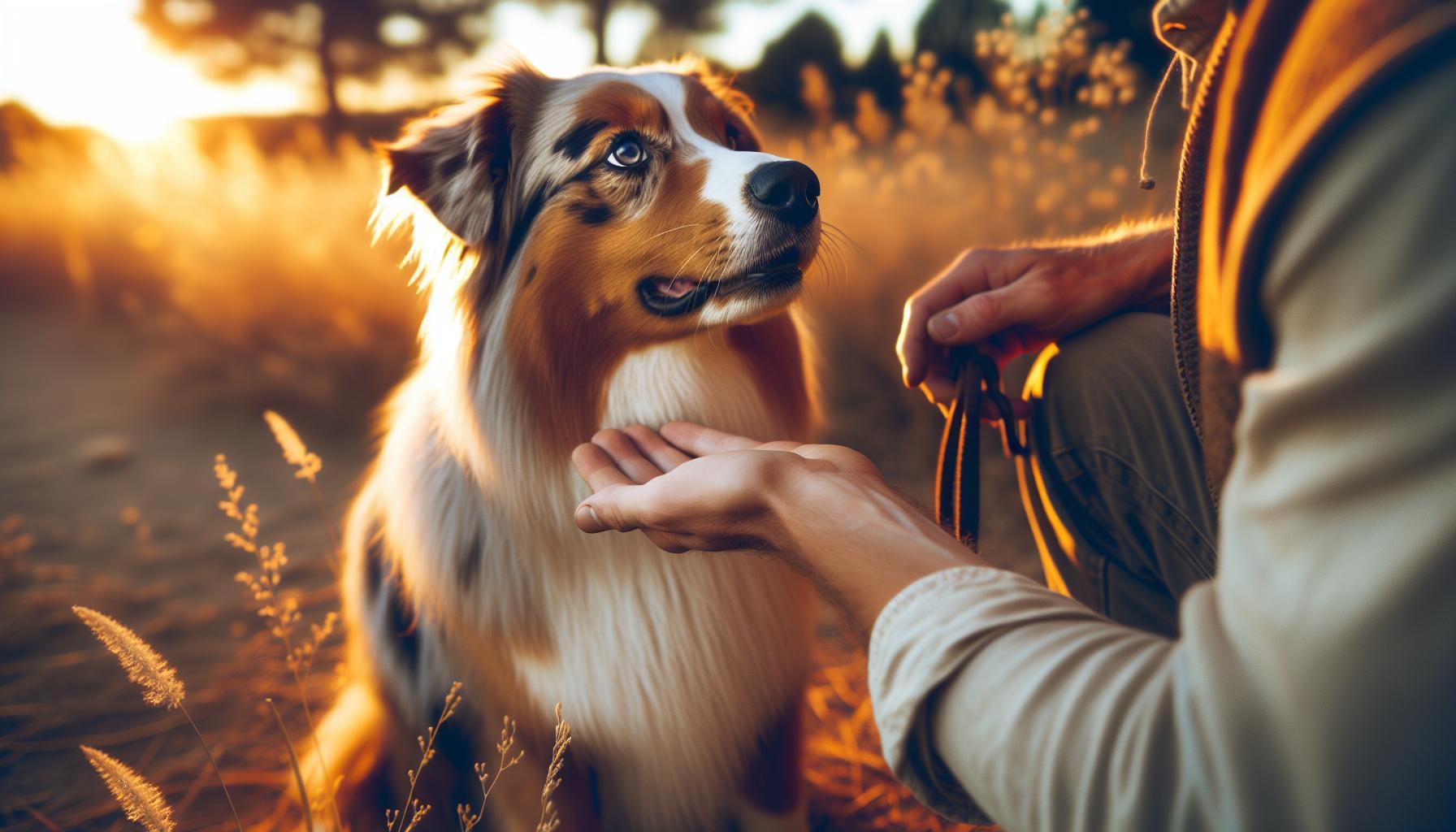

Did you know that Australian Shepherds are not just herding dogs, but also possess innate protective instincts that can be crucial in safeguarding their families? As a breed known for loyalty and intelligence, many Aussie owners wonder whether their dog could take on the challenge of defending against a coyote – a real concern in rural and suburban areas.
In this article, we delve into the intriguing question: Can an Australian Shepherd kill a coyote? By exploring their protective instincts and combat traits, we’ll provide valuable insights for current and prospective Aussie owners who are eager to understand their canine companions better.
Whether you’re a new pet parent worried about wildlife threats or an experienced owner curious about your dog’s capabilities, this discussion is vital for ensuring the safety of your furry friend and your household. Join us as we uncover the complexities of the Australian Shepherd’s instincts and how they play a role in potential encounters with coyotes. Your peace of mind starts here!
Understanding the Australian Shepherd’s Protection Instincts
A fascinating aspect of the Australian Shepherd is their innate protection instincts, a trait that can come as a surprise to new owners. Originally bred to work alongside shepherds, these dogs have a natural drive to guard and protect their herd, which often translates into strong safeguarding behavior around their family and territory. This instinct is not limited to just livestock; an Australian Shepherd is often fiercely protective of their human companions, making them not only lively herding dogs but also loyal guardians. When faced with potential threats like coyotes, this instinct can manifest in various ways, from vocal alerts to direct confrontation.
Understanding how these protective instincts function can help owners manage their Australian Shepherds more effectively, especially in environments where threats like coyotes may lurk. Consistent training and socialization are critical for channeling these instincts positively. Here are some practices to consider:
- Positive Reinforcement: Reward your dog for alerting you to potential threats, ensuring they understand when their protective behavior is appropriate.
- Desensitization: Gradually expose your dog to various environments, sounds, and situations to help them differentiate between real threats and harmless occurrences.
- Controlled Exposure: Supervise encounters with wildlife in a safe manner; never allow your Aussie to approach wild animals without strict supervision.
Knowing when to intervene and when to let your Australian Shepherd act on their instincts can make all the difference in ensuring their safety and the safety of those around them. It’s essential to recognize that while Australian Shepherds possess the capability to confront coyotes, they are not a substitute for proper fencing or secure protective measures. Working alongside a knowledgeable trainer can also provide further strategies tailored to your dog’s unique temperament and protective tendencies, empowering you to cultivate a balanced relationship between your Aussie’s protective instincts and everyday life.
How Do Australian Shepherds React to Coyotes?
Australian Shepherds are known for their intelligence, loyalty, and protective instincts. When confronted with potential threats such as coyotes, their reactions can be varied but are often influenced by their upbringing, training, and socialization. These energetic dogs tend to be alert and quick to respond to unfamiliar animals, treating them as intruders on their territory. Their natural herding instinct can kick in, leading them to attempt to chase away or confront the perceived threat. However, understanding the dynamics between Australian Shepherds and coyotes is vital for both the safety of your dog and the management of the wildlife around your property.
When Australian Shepherds encounter coyotes, it’s crucial to remember that while their protective nature may encourage them to defend their home or family, they may not always succeed without proper training and caution. Here are some important considerations:
- Vigilant Protection: Australian Shepherds are incredibly watchful. They are often on high alert, especially in rural or semi-urban areas where coyotes are prevalent. This attentiveness means they might detect the presence of a coyote even before it becomes visible.
- Training and Socialization: Early socialization with various animals is key. If your Aussie is accustomed to different wildlife, including coyotes, they may react with less aggression. Introducing your dog to wildlife sounds or controlled encounters (using barricades or in safe environments) can reduce fear and promote better reactions.
- Size and Strength Considerations: While an Australian Shepherd may feel inclined to confront a coyote, keep in mind that coyotes are agile and can be dangerous, particularly if they feel cornered. It’s essential to assess your dog’s ability to handle such encounters.
In practical terms, ensuring your Australian Shepherd is kept on a leash during walks in coyote-dense areas can help mitigate risks. Training your dog to respond reliably to commands like “come” or “leave it” can be invaluable in these scenarios. Lastly, consider installing secure fencing that’s high enough to deter coyotes from invading your property. By fostering a solid bond with your dog and emphasizing reliable training, you can empower your Australian Shepherd to be both protective and safe, ultimately benefiting both your furry friend and the local wildlife.
The Role of Size and Strength in Dog vs. Coyote Encounters

While many might assume that size and strength are the only factors determining the outcome of a confrontation between an Australian Shepherd and a coyote, the truth is far more nuanced. Coyotes are agile, clever canids with hunting instincts honed over years of survival in the wild. They typically weigh between 24-46 pounds and stand about 21-24 inches tall at the shoulder, making them somewhat comparable in size to many medium to large dog breeds. However, their natural instincts, speed, and strategic hunting behaviors can give them an edge over domestic dogs, which may lack the experience and training to engage effectively in these encounters.
Understanding the protective instincts of Australian Shepherds can provide important context when considering these scenarios. Despite being medium-sized, weighing between 40-65 pounds, Australian Shepherds are renowned for their intelligence, agility, and fierce loyalty to their families. Their herding background has ingrained in them a strong protective instinct, which can come to the forefront when they perceive a threat. Many owners of Aussies have tales of their dogs bravely standing their ground when confronted by wildlife, showcasing not only courage but also instinctual intelligence. It’s essential to note, however, that physical confrontations can end unpredictably, and while your Aussie may be brave in protecting their territory, the odds may not always favor them in a direct encounter with a coyote.
Factors to Consider in Dog vs. Coyote Encounters
- Survival Instincts: Coyotes have crucial survival skills developed in the wild from a young age, allowing them to evade danger and take calculated risks.
- Training and Socialization: An Australian Shepherd with proper training and socialization may respond more effectively to a threat, relying on obedience and commands received from their owner.
- Environment: The setting of the encounter heavily influences the outcome. An open field may favor a coyote’s speed, whereas a fenced backyard can level the playing field for an Aussie.
- Pack Dynamics: Coyotes often hunt in packs, which boosts their strength and tactical advantage. An Australian Shepherd may find itself at a disadvantage if confronted by multiple coyotes.
An effective approach to bolster your Australian Shepherd’s chances in potential confrontations involves enhancing their training and protective instincts. Engaging in obedience training, agility courses, and socialization with other dogs can equip them with the skills to react appropriately when faced with wildlife. Moreover, considering protective measures such as secure fencing and supervised outdoor time can help mitigate risks while allowing your Aussie to enjoy their natural instincts. Ultimately, while size and strength matter, the intersection of training, environment, and experience plays a pivotal role in these encounters. Protecting your beloved Australian Shepherd means educating yourself on these dynamics and creating a safe space for them to thrive.
Training Your Australian Shepherd for Wildlife Protection

Training an Australian Shepherd for wildlife protection can be both rewarding and critical, especially in areas where encounters with coyotes and other wildlife are common. These intelligent and high-energy dogs possess a strong instinct to protect their territory and family. Their herding background gives them unique traits that, when combined with proper training, can help them effectively handle wildlife encounters. Understanding how to channel their protective instincts in a positive and controlled manner is essential for their effectiveness.
To begin , it’s crucial to establish a strong bond based on trust through consistent, positive reinforcement techniques. Start with basic obedience commands such as sit, stay, and come, which are foundational for more advanced training. Incorporate regular socialization with various environments, sounds, and other animals, so your dog becomes accustomed to different stimuli and learns to differentiate between everyday occurrences and potential threats. It’s advisable to simulate real-life scenarios where you can teach your dog to respond to threatening wildlife in a controlled setting. This could involve using sounds or props to mimic a coyote’s presence, allowing your dog to practice their instinctual behaviors in a safe environment.
Essential Training Techniques
Incorporating specific training techniques can enhance your Australian Shepherd’s ability to protect against wildlife:
- Positive Reinforcement: Reward your dog with treats and praise for appropriate reactions to wildlife stimuli.
- Desensitization: Gradually expose your Australian Shepherd to wildlife sounds and sights to reduce reactivity.
- Controlled Exposure: Use leash training in open spaces where wildlife may appear and practice commands to encourage calm behavior.
- Real-Life Simulation: Create mock encounters with wildlife sounds to prepare your dog for what to expect.
By implementing these strategies, you can help your Australian Shepherd understand their role in wildlife protection while ensuring their training is effective and constructive. Remember that patience and consistency are key elements in this process, as each dog will learn and respond at their own pace. With dedication, you can cultivate your dog’s protective instincts into a trustworthy and well-trained companion that can effectively respond to potential wildlife threats.
Common Misconceptions About Australian Shepherds and Wildlife
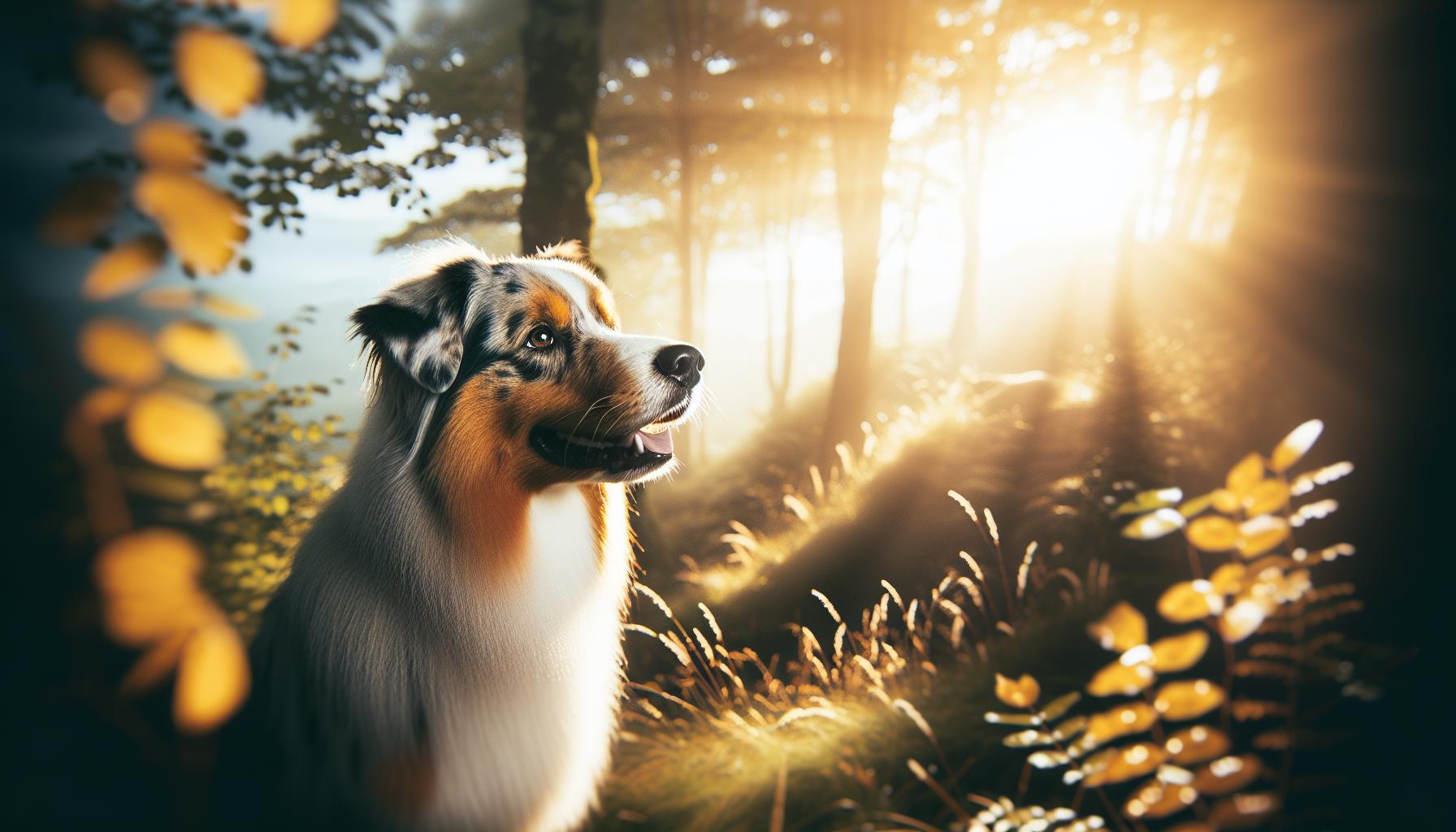
In the realm of protecting livestock and property, Australian Shepherds are often hailed for their strong instincts. However, misconceptions about their capabilities-especially concerning wild animal encounters-can lead to misunderstandings about their true nature and effectiveness. Contrary to popular belief, the primary role of an Australian Shepherd isn’t to act as a fierce protector or warrior against larger predators like coyotes. Instead, these intelligent and agile canines are designed more as herders than hunters. Their protective instincts are typically directed towards the animals they manage, rather than engaging directly with wildlife that could pose a threat.
Moreover, the notion that any breed of dog, including the Australian Shepherd, can decisively take on a coyote is misleading. While some Aussies may exhibit a bold demeanor, especially when defending their family or territory, their size and strength at best allow them to deter smaller intruders rather than confront larger, more powerful animals like coyotes. This misconception overlooks the importance of proper training and socialization. For Australian Shepherds, fostering a sense of caution and respect for wildlife can prevent unnecessary confrontations. Dog owners should focus on creating safe environments where their pets can thrive without the risks associated with wildlife encounters, promoting a harmonious coexistence rather than one of conflict.
Training and Awareness
- Understanding Instincts: Recognize that Australian Shepherds are bred for herding and companionship, not for direct combat or protection against large predators.
- Socialization: Early and continuous socialization helps them learn the appropriate behavior around wildlife, instilling respect rather than aggression.
- Training for Safety: Teach commands that promote their safety and encourage them to avoid interaction with wildlife.
By understanding and addressing these misconceptions, Australian Shepherd owners can ensure their dogs are valued as skilled handlers rather than unwitting combatants. Building a bond based on training, trust, and recognition of the breed’s true abilities will foster a safe environment for both the dog and the wildlife that shares their habitat.
Promoting a Safe Environment for Australian Shepherds

When ensuring the safety of your Australian Shepherd, it’s essential to recognize their innate protective instincts, especially in environments where they may encounter wildlife like coyotes. These intelligent and energetic dogs are not just companions; they are natural guardians, driven by their protective nature. However, as responsible pet owners, it’s crucial to create a secure setting that balances their protective instincts with their well-being. An effective way to promote a safe environment involves a combination of awareness, training, and preventive measures tailored to your Aussie.
To foster a secure space for your Australian Shepherd, consider the following strategies:
- Proper Fencing: Invest in high, sturdy fences to keep coyotes and other wildlife at bay. Ensure your fencing is at least six feet tall, as Aussies are agile jumpers. A fence that extends underground can further deter tunneling animals.
- Supervised Outdoor Time: Always supervise your Aussie when they’re outside, especially during dusk and dawn, which are peak activity times for coyotes. Having a secure leash or long lead can keep them safe while allowing them some freedom to roam.
- Training and Socialization: Engaging your Australian Shepherd in obedience training can enhance their ability to respond to commands in the presence of potential threats. Consistent socialization helps them differentiate between friendly wildlife and potential dangers.
- Deterrents: Consider using motion-activated lights or sound devices that can scare away wildlife. These deterrents can make your yard less appealing to coyotes and provide added safety for your dog.
An example of the effectiveness of these strategies can be seen through anecdotal experiences shared by Australian Shepherd owners who have successfully managed encounters with coyotes. One owner reported that after installing a tall, secure fence and diligently supervising their Aussie during outdoor playtime, they noticed a significant reduction in wildlife encounters. Taking proactive measures not only protects your dog but also promotes peace of mind for you as an owner. By understanding their protective nature and providing a safe environment, you’ll empower your Australian Shepherd to thrive while keeping potential threats at bay.
Signs of Aggression: When to Intervene with Coyotes
Coyotes are adaptable and resourceful creatures that often wander into suburban areas, seeking food or shelter. This can pose a significant challenge for dog owners, especially those with protective breeds like the Australian Shepherd. Understanding the signs of aggression in coyotes is crucial for taking the right steps to ensure both your dog’s safety and the overall harmony of the neighborhood. Aggressive behavior from coyotes can escalate quickly, and being able to recognize early warning signs is key to intervening effectively.
If you spot a coyote in your neighborhood, pay attention to its body language. A coyote exhibiting aggression may display certain behaviors such as raised hackles, growling, and an intense, locked gaze toward your dog. Other signs include a change in posture-like standing tall with a stiff tail and broad stance-which indicates that the animal feels threatened or ready to assert dominance. In these situations, your instinct may be to let your Australian Shepherd defend its territory. However, it’s essential to prioritize safety. If a coyote’s behavior escalates, consider the following actions:
- Create a barrier: Secure your dog indoors or inside a fenced area to minimize direct confrontation.
- Make noise: Use loud sounds to scare off the coyote, such as clapping, yelling, or utilizing a whistle.
- Stay calm: Avoid panic, as your emotional state can influence your dog’s behavior; they may perceive your anxiety as a threat.
When addressing a potential confrontation, timing is everything. If you notice aggressive signs in a coyote, it’s crucial to act swiftly but thoughtfully. Understanding when to intervene means understanding your environment and your dog’s instincts. An Australian Shepherd, with its herding background, may feel the need to protect its family but could also become curious or playful, risking a dangerous encounter. By observing the coyote’s behavior and taking proactive measures, you help create a safer space not only for your Australian Shepherd but also for the wildlife in your area.
The Importance of Socialization for Australian Shepherds
Socialization is a cornerstone of raising a well-rounded Australian Shepherd, especially when it comes to their protective instincts. These intelligent and energetic dogs can display innate guarding behaviors, which are essential for their role as protectors of the family. However, without proper socialization, these instincts may manifest in overly aggressive or fearful behaviors toward strangers or other animals, including coyotes. It’s crucial to ensure that your Aussie learns how to appropriately assess threats through social exposure, cultivating their confidence while softening their inherent wariness.
To foster effective socialization, begin by exposing your Australian Shepherd to a variety of environments, people, and animals from an early age. This exposure helps them learn the difference between benign situations and actual threats. Attend puppy classes, local dog parks, or community events to allow your pup to interact with different breeds and situations. Make the experience positive by using treats and praise, so they associate new encounters with good feelings. It’s also advisable to gradually introduce your Aussie to wilderness settings, under careful supervision, to teach them how to behave in the presence of wildlife like coyotes while keeping their protective instincts honed.
Practical Tips for Socializing Your Aussie
- Start Early: Begin socialization as soon as you bring your puppy home. Early experiences shape their perspective throughout life.
- Diverse Exposure: Expose your Aussie to different environments-busy streets, quiet parks, and rural areas-to broaden their comfort zone.
- Positive Reinforcement: Use treats and praise during interactions to reinforce good behavior and build confidence.
- Create Playdates: Set up playdates with other friendly dogs and social animals, allowing your pup to learn proper behavior through play.
- Supervised Wilderness Walks: Spend time in natural settings to teach your dog to stay focused and calm in the presence of wildlife.
By weaving socialization seamlessly into your Australian Shepherd’s daily routine, you can nurture a well-adjusted dog that understands their role as both a loyal companion and a protector. This balanced approach will not only decrease their anxiousness around unfamiliar situations but also enhance their ability to distinguish between real dangers and harmless occurrences, making them both confident and capable guardians.
Real-Life Experiences: Australian Shepherds vs. Coyotes
Australian Shepherds are known for their remarkable intelligence and strong instinct to protect their territory and family. These loyal dogs possess all the qualities of dedicated guardians, often stepping up to defend against intruders. In rural areas where coyotes might pose a threat, many Australian Shepherd owners wonder about the breed’s capacity to confront and potentially eliminate such dangers. While these dogs have the physical agility and mental acuity to engage with predators, it is essential to understand that every interaction is circumstance-dependent, influenced heavily by the dog’s training, socialization, and the threat level presented by the coyote.
Understanding the Courage of Australian Shepherds
Australian Shepherds have an impressive herding background; they are bred for vigilance and quick decision-making. Their willingness to stand their ground against perceived threats can be quite powerful. In real-life experiences, many Aussie owners report instances where their dogs have shown remarkable bravery when encountering coyotes. These dogs may bark fiercely, charge towards the intruder, or herd livestock to safety, displaying not only protective instincts but also a keen sense of strategy. However, the outcome of such encounters can vary significantly. While some Australian Shepherds may take on a coyote, their safety should always be the priority. For instance, larger or more aggressive coyotes can pose considerable risks, and a dog’s instinct cannot always compensate for the potential danger of an encounter.
Training and Environment Matter
To further enhance an Australian Shepherd’s ability to protect against coyotes, proper training is crucial. Owners should consider these points:
- Socialization: Expose your Aussie to various animals, environments, and situations to foster confidence.
- Obedience Training: Establish strong commands to manage your dog’s behavior effectively during potential encounters.
- Boundary Setting: Teach your dog to recognize and respect property lines, which can help in asserting territory against incursions.
The context in which an Australian Shepherd operates can also significantly influence its effectiveness against wildlife. Bringing your dog into environments where coyotes are known to roam can heighten the risks. Conversely, with a watchful owner and appropriate training, they can act as effective guardians. Balancing the natural protective instincts of these remarkable dogs with preventive measures will help ensure their safety and the safety of the family they protect.
Effective Strategies for Preventing Coyote Encounters
A startling fact for dog owners is that coyote populations have been on the rise in many suburban and rural areas, leading to increased encounters with pets. This is particularly concerning for breeds like the Australian Shepherd, known for their loyalty and protective instincts. To safeguard your furry companion, it’s essential to implement effective strategies to prevent unwanted coyote encounters while fostering a safe environment.
One of the most effective measures you can take is to establish a secure outdoor space for your dog. Fencing is key: a robust, at least six-foot-high fence can deter coyotes, but make sure there are no gaps or holes where they can sneak through. Regularly inspect and maintain your fencing to eliminate any potential escape routes for your Australian Shepherd. Additionally, consider the following strategies:
- Supervision: Always supervise your dog while they’re outside, especially during dawn and dusk when coyotes are most active.
- Use of Deterrents: Noise-making devices, such as motion-activated alarms or sprinklers, can help scare away any coyotes lurking nearby.
- Leash Protocols: When walking your Australian Shepherd, keep them on a leash, particularly in areas known for wildlife activity.
- Food Management: Do not leave pet food outdoors, and secure trash bins to reduce attracting coyotes to your property.
By being proactive and employing these strategies, you create a strong barrier between your beloved Australian Shepherd and the potential dangers of coyote encounters. Your dog’s protective instincts are admirable, but precaution is crucial to ensure their safety and well-being. With a commitment to safeguarding your pet, you can enjoy the outdoors together while minimizing risks.
Understanding Coyote Behavior and Habitat
Understanding the behavior and habitat of coyotes is crucial for Australian Shepherd owners, especially those living in rural or suburban areas where encounters may occur. Coyotes are highly adaptable canines that thrive in diverse environments, from deserts to urban neighborhoods. Their cleverness, social structure, and instinctive behaviors can pose challenges and risks for smaller dogs like the Australian Shepherd. Understanding these dynamics can help owners make informed decisions about their pets’ safety and well-being.
In the wild, coyotes typically live in family units, with seasonal behaviors influencing their activities throughout the year. For instance, during the winter mating season, coyotes may become more vocal and territorial. In spring, they rear their young, which means they’re more protective of their territory. During these times, interactions with Australian Shepherds or other pets can become increasingly tense. It’s essential for owners to recognize coyote signs, such as tracks or vocalizations, and ensure their dogs are well-trained to respond appropriately to potential threats. Training your Australian Shepherd in recall and commands can significantly increase their safety when in areas known to harbor coyotes. Furthermore, always supervise your dog when outside, especially during dusk and dawn when coyotes are most active.
Practical Steps for Coexistence
To coexist peacefully with coyotes and protect your Australian Shepherd, consider implementing the following strategies:
- Secure Fencing: Ensure your yard has a high and sturdy fence to deter coyote entry.
- Supervised Outdoor Time: Avoid leaving your dog outside unattended, especially during coyote activity peaks.
- Training and Commands: Teach your Aussie reliable commands to strengthen their response to potential dangers.
- Avoid Attractants: Keep trash secure and remove any potential food sources that might attract coyotes.
These measures not only improve your dog’s safety but also help foster a harmonious relationship with local wildlife. Awareness and preparedness can diminish risks associated with coyote encounters, allowing owners to enjoy the companionship of their loyal Australian Shepherds while respecting the natural behaviors of coyotes.
Choosing the Right Activities for Safe Outdoor Time
Choosing the right activities for outdoor time with your Australian Shepherd can greatly enhance their safety and enjoyment. These energetic and intelligent dogs thrive in an environment that challenges both their body and mind, but it’s essential to select activities that keep them safe from potential encounters with wild animals, such as coyotes. Did you know that an Australian Shepherd’s instinct to protect can sometimes lead them into dangerous situations? Understanding your dog’s nature and choosing the correct outdoor activities can prevent unwanted conflicts while ensuring they remain happy and healthy.
For Australian Shepherds, engaging in appropriate outdoor activities is crucial. Here are a few suggestions that will help you create a safe and stimulating environment for your pup:
Outdoor Activity Ideas
- Agility Courses: Set up an agility course in your backyard or visit a local training facility. It provides both physical exercise and mental stimulation, which keeps your dog focused and less likely to wander.
- Fetch and Retrieve: Playing fetch in a secure, fenced area allows your Aussie to run freely without the risk of straying too far. Use toys that encourage their natural retrieving instincts.
- Hiking on Leash: Choose a nearby nature trail where you can hike together while keeping your dog on a leash. This helps manage their prey drive and ensures safety from potential wildlife encounters.
- Socialization with Other Dogs: Organize playdates or attend dog parks during less crowded hours. Socializing can reduce territorial behaviors while helping your dog learn proper interactions.
- Training Sessions: Incorporate short training sessions during walks or in the yard to sharpen your dog’s skills. This not only aids in obedience but keeps your Aussie mentally engaged.
If you’re considering outdoor play, always assess your surroundings. Look for signs of wildlife and avoid areas known for coyote activity, especially during their active times at dawn and dusk. Providing a secure, enclosed play area gives your Australian Shepherd the freedom to explore without the added worry of unexpected encounters. With a mix of structured activities and supervised exploration, you can ensure that your outdoor adventures are both enjoyable and safe for your loyal companion.
Frequently Asked Questions
Here’s an SEO-optimized FAQ section focused on “Can an Australian Shepherd Kill a Coyote? Protection Instincts Explored.”
Q: Can an Australian Shepherd successfully fend off a coyote?
A: Yes, an Australian Shepherd can potentially fend off a coyote due to their strong protection instincts and herding abilities. However, it’s essential to supervise them in rural areas and train them properly for such encounters to enhance their instinctual responses and reduce risks.
Q: What breeds are best suited for protecting against coyotes?
A: Breeds with strong protective instincts, like the Australian Shepherd, Great Pyrenees, and Anatolian Shepherd, are better suited for guarding against coyotes. Their natural territorial behavior and herding instincts make them effective protectors of livestock and property.
Q: Are Australian Shepherds known for their protective instincts?
A: Yes, Australian Shepherds are well-known for their protective instincts. They are alert, loyal, and can exhibit guarding behavior, making them capable of deterring potential threats, including coyotes. Regular training can sharpen these instincts further.
Q: How can I train my Australian Shepherd to protect against coyotes?
A: To train your Australian Shepherd for protection against coyotes, engage in socialization from an early age, use positive reinforcement for guarding behavior, and teach commands that promote alertness. Regular exposure to various environments will enhance their confidence.
Q: What should I do if my Australian Shepherd encounters a coyote?
A: If your Australian Shepherd encounters a coyote, it’s best to keep calm and avoid direct confrontation. Use a firm voice to call your dog back and avoid escalating the situation. Ensuring a secure environment can prevent such encounters.
Q: Can coyotes pose a threat to Australian Shepherds?
A: Yes, coyotes can pose a threat to Australian Shepherds, especially smaller or younger dogs. It’s advisable to supervise your dog during outdoor playtime in areas known for coyote activity and consider fencing or protective measures to keep them safe.
Q: What natural behaviors do Australian Shepherds exhibit when encountering wildlife?
A: Australian Shepherds often display behaviors like barking, herding, or chasing when encountering wildlife such as coyotes. These instincts can be beneficial in protecting property but should be channeled appropriately through training and supervision.
Q: Is it safe to let an Australian Shepherd roam free in areas with coyotes?
A: It is not safe to let an Australian Shepherd roam free in areas populated by coyotes. While they may have protective instincts, they can also become prey or engage in dangerous interactions. Secure leashing and supervision are key to keeping them safe.
For more insights on the protective behaviors of Australian Shepherds and tips for safe outdoor activities, check out our comprehensive guide on “Understanding the Protective Nature of Australian Shepherds.”
—
This format provides clear and concise answers while being optimized for relevant queries related to Australian Shepherds and their interactions with coyotes. Each Q&A can be easily incorporated into an FAQ schema, enhancing both search visibility and user engagement.
The Way Forward
As we explored, the Australian Shepherd’s protective instincts can be a powerful deterrent against threats like coyotes, but understanding their role and behavior is crucial for responsible ownership. Your Aussie can be a fearless guardian, but knowing their limits and training them well is essential for their safety. If you’re considering adding an Aussie to your family or already have one and are seeking more insights, don’t hesitate to explore our detailed guides on “Training Your Australian Shepherd to Protect” and “Understanding Canine Predatory Behavior.”
Now’s the perfect time to enhance your learning! Sign up for our newsletter for expert tips directly to your inbox, or join our community in the comments below to share your experiences and concerns. Together, we can ensure that your Australian Shepherd not only thrives but also becomes the protector they are meant to be. Join us in this adventure and never stop exploring; your next read could be just a click away!
Get our latest guides, news, and insights highlighted in your Google Search & AI Overviews.