


Did you know that Australian Shepherds, despite their herding prowess and energetic nature, can also be sensitive to extreme temperatures? As a dedicated owner, understanding how much cold your Aussie can tolerate is crucial to keeping them safe and healthy. With their unique coat and active lifestyle, these intelligent dogs thrive in many environments, but chilly weather can pose challenges.
As loving pet parents, it’s our responsibility to ensure our furry companions are comfortable in all conditions. Cold temperatures can lead to serious health concerns, from hypothermia to paw pad injuries. By knowing the safe temperature limits for Australian Shepherds, you can confidently navigate winter outings and create a cozy home environment for your pup during those colder months.
Join us as we explore essential insights about your Aussie’s cold tolerance. With practical tips and guidance, you’ll learn how to protect your canine friend while maximizing their happiness and well-being in any season. Your journey to being a vigilant and informed Aussie owner starts here!
How Cold Can Australian Shepherds Tolerate?
Australian Shepherds are a breed known for their energy, intelligence, and adaptability, but how well do they really handle cold weather? While their thick, double coats provide some protection against chilly temperatures, it’s crucial to recognize that these loyal companions are not immune to the effects of prolonged exposure to cold. Generally, Australian Shepherds can comfortably tolerate temperatures down to around 32°F (0°C) with few issues, but as the mercury drops further, owners should be increasingly mindful of their furry friends’ comfort and health.
To ensure your Australian Shepherd is safe and happy in cold conditions, it’s essential to adopt a proactive approach. Pay attention to how they react to the cold; if your dog seems hesitant to go outside or frequently lifts their paws off the ground, it may be too cold for them. To better understand when to limit outdoor exposure, consider these practical tips:
- Monitor Activity Levels: Decrease the time spent outdoors in extreme cold, even if your dog might want to keep playing.
- Provide Shelter: If your Aussie’s outdoor time is extended, ensure they have a warm, dry shelter to retreat to.
- Dress Them Up: Using a dog sweater or coat can provide extra insulation for particularly cold days.
- Hydration is Key: Ensure fresh, unfrozen water is available at all times, as hydration is vital even in colder weather.
Ultimately, being attuned to your Aussie’s needs will go a long way in keeping them protected against the cold. Whether it’s snuggling up indoors on frigid nights or making adjustments to your routine to accommodate their comfort during colder months, you’ll not only keep them safe but also strengthen the bond you share. The joy of seeing your Australian Shepherd thrive in any weather is a reward well worth these small adjustments.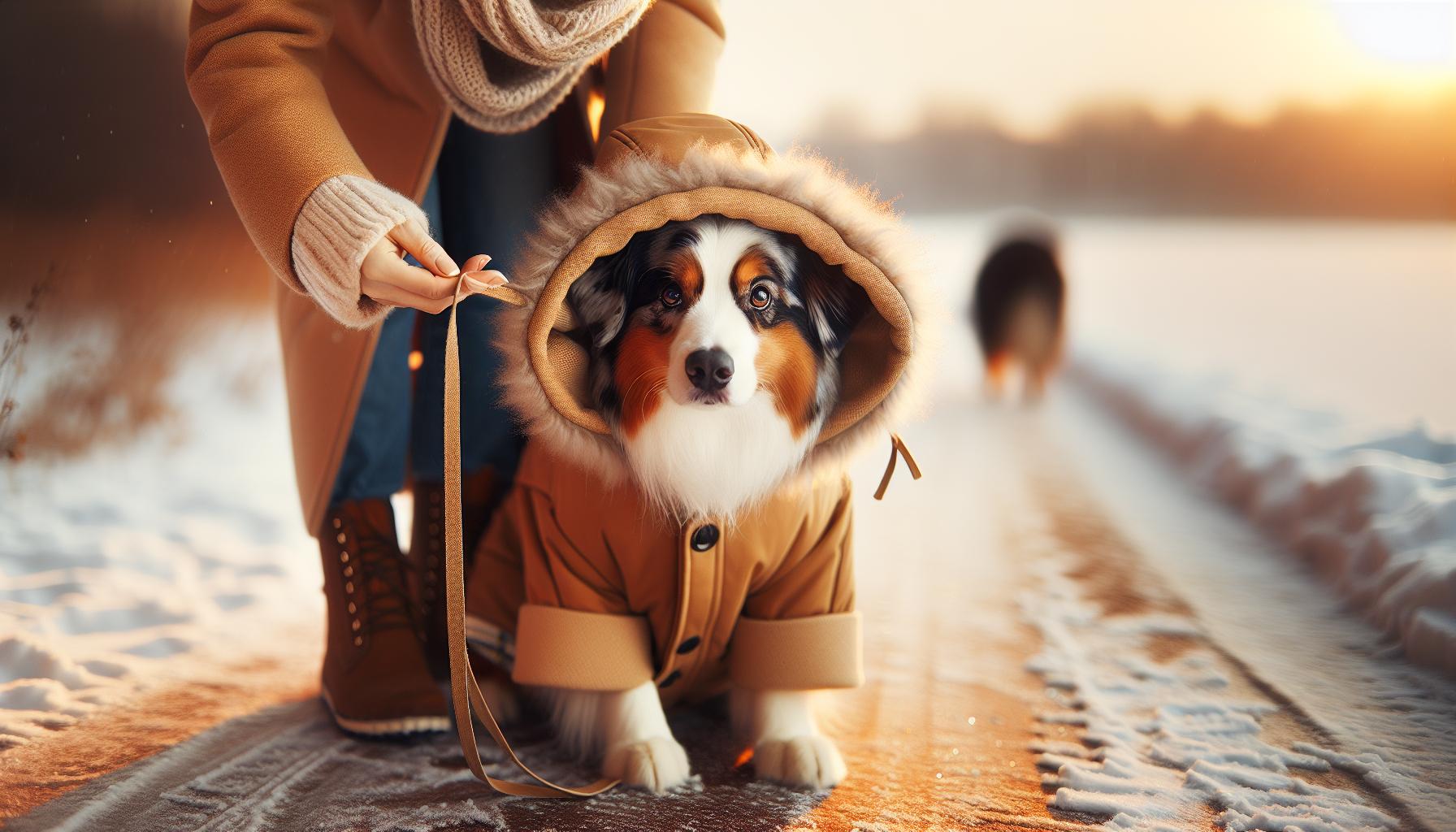
Understanding Australian Shepherd Cold Tolerance
Australian Shepherds are undeniably resilient dogs, known for their high energy and work ethic, but how well do they handle the cold? These remarkable pups thrive in various environments, yet their tolerance for low temperatures can vary significantly. It’s fascinating to note that while most Australian Shepherds can manage well in moderately cold weather, several factors-such as coat quality, health, and acclimatization-play crucial roles in their ability to cope with frigid temperatures. Understanding these contributors can help you keep your Aussie happy and safe during the winter months.
To ensure your Australian Shepherd remains comfortable in colder conditions, it’s essential to observe their behavior and needs. Generally, a well-adapted Aussie can tolerate temperatures as low as 20°F (-6°C) without significant discomfort; however, some might struggle as temperatures drop further. Here are some practical tips for safeguarding your furry friend when the chill sets in:
- Regular Exercise: Even in cold weather, maintain a routine of exercise. Short, frequent walks can keep them warm while still providing the mental stimulation they crave.
- Proper Gear: For especially cold outings, consider dog coats or sweaters to provide extra warmth and insulation.
- Watch for Signs: Keep an eye out for signs of discomfort, such as shivering or reluctance to walk. If you notice these, it may be time to head indoors.
- Warm Spaces: Ensure they have access to warm areas in your home, especially after outdoor time.
- Hydration: Cold weather can be deceptive; ensure they stay hydrated, as water can freeze quickly outdoors.
It’s also vital to recognize that each dog is an individual. For instance, a younger, healthier Australian Shepherd might handle the cold much better than an older dog or one with health issues. Additionally, some owners have found that adopting gradual exposure to colder climates can help their pets adapt more effectively, much like humans acclimate to seasonal changes. If you’re ever in doubt, consult with your veterinarian for personalized recommendations tailored to your Aussie’s specific needs. Being proactive and attentive will not only help maintain their comfort but will also strengthen the bond you share with your spirited companion.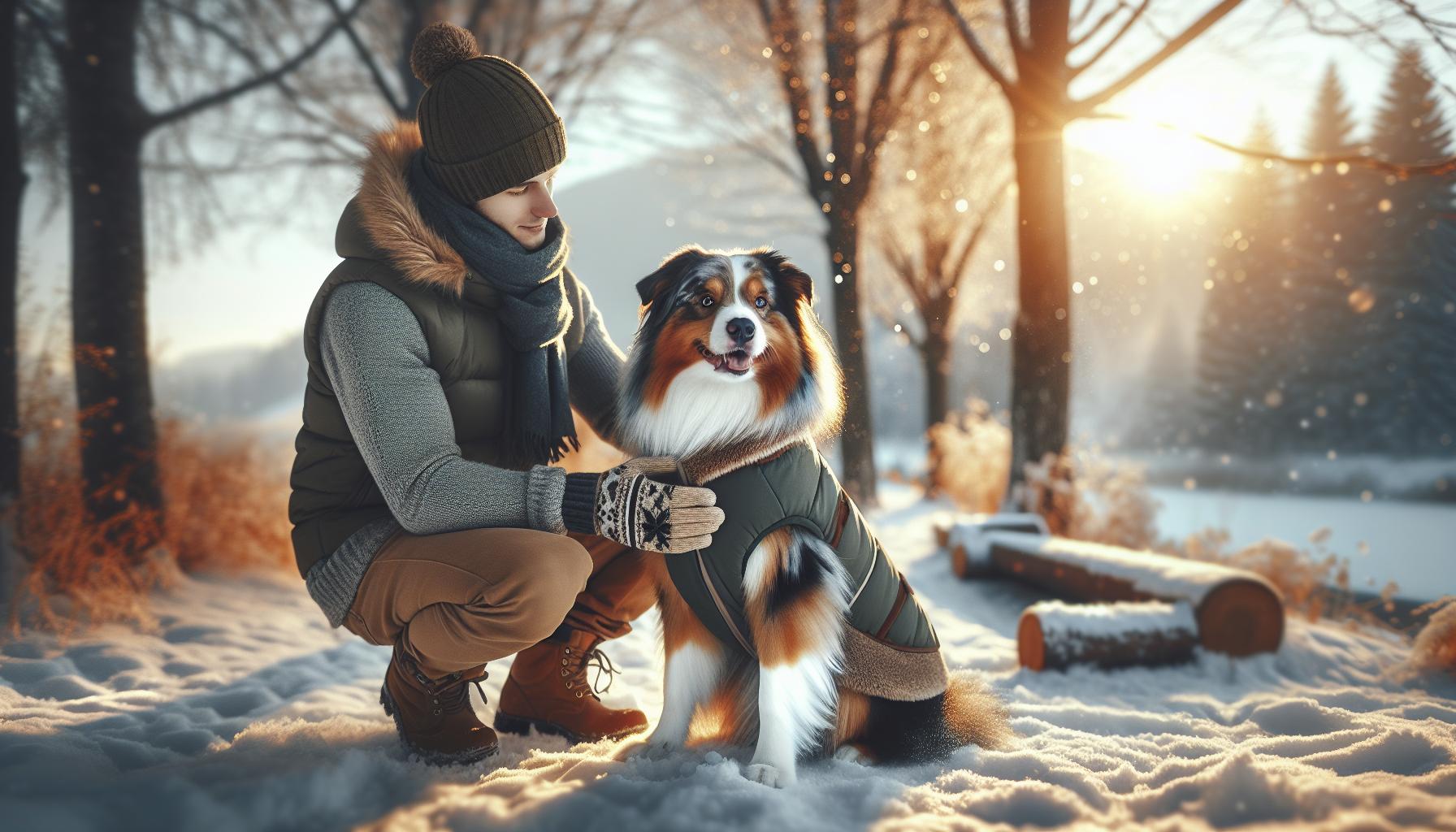
Recognizing Signs of Cold Stress in Australian Shepherds
Australian Shepherds are known for their remarkable adaptability and resilience, but even they are not invincible against the biting chill of winter. As temperatures drop, it is crucial for owners to be vigilant and recognize the warning signs of cold stress in their furry companions. Hypothermia and frostbite can set in surprisingly quickly, especially in adverse weather conditions. Understanding how to identify these symptoms will help ensure your Aussie remains safe, healthy, and happy throughout the colder months.
The key signs of cold stress in Australian Shepherds include behaviors and physical symptoms that warrant immediate attention. Watch for shivering, which is often one of the first indicators your dog is feeling the cold. Additionally, if your Aussie seems reluctant to go outside, holds up their paws, or begins to whine or bark excessively, these may also signal discomfort. Physical signs to look for are:
- Cold ears or body: If their ears feel cold to the touch, or if they are shivering excessively, this may indicate a drop in body temperature.
- Changes in movement: Lethargy or excessive drooping in posture can suggest your dog is struggling to maintain warmth.
- Paw lifting: If your Australian Shepherd frequently lifts or shakes their paws, they might be experiencing cold stress or discomfort from icy surfaces.
Acting promptly if you observe any of these signs is essential. Bring your dog indoors to a warm environment, wrap them in a warm blanket, and ensure they have access to fresh water. If symptoms persist or worsen, consulting a veterinarian is recommended. These proactive steps will help keep your Australian Shepherd comfortable and healthy during the chilly winter months.
Best Practices for Keeping Your Aussie Warm
Australian Shepherds are a breed renowned for their intelligence, agility, and striking appearance, but when the temperature drops, they can be just as vulnerable as any other dog. While Aussies do have a double coat that provides some insulation against cold weather, maintaining their comfort requires proactive measures from their owners. One of the best ways to ensure your furry companion stays warm is to create a cozy environment that anticipates their needs. This can be as simple as investing in a few essential items and adopting specific practices that cater to their well-being.
Start by providing your Aussie with a warm, sheltered space outdoors if they spend time outside. A well-insulated doghouse, raised off the ground, can protect them from the elements. Within your home, designate a warm sleeping area that’s draft-free, using soft bedding or blankets. Many Aussies love a good cuddle, so encourage them to snuggle up next to you on cold evenings, which is not only comforting for them but also strengthens your bond. When taking your Aussie out for walks or playtime, limit their exposure to harsh conditions, such as icy winds or freezing rain. During particularly chilly days, consider outfitting them with a dog sweater or coat that is both stylish and functional to create an added layer of warmth.
To help you further understand how to keep your Aussie comfortable, consider these practical tips:
Key Practices for Ensuring Warmth
- Monitor Their Activity Level: In colder weather, your Australian Shepherd may have less energy for play, so adjust their exercise routine to incorporate shorter, more frequent sessions.
- Temperature Checks: Be aware of the temperature threshold for your dog-typically, if it’s below 32°F (0°C), you should keep them indoors or limit outdoor time.
- Nutrition Matters: Ensure your dog is on a balanced diet, as a well-fed pup has more energy to maintain a healthy body temperature.
- Regular Grooming: While it might seem counterintuitive, regular grooming helps maintain the insulating properties of their coat, removing dirt and debris that can affect insulation.
- Hydration is Key: Even in colder months, keep your Aussie well-hydrated. Dehydration can lead to problems that make it harder for them to regulate body temperature.
Implementing these best practices will not only keep your Australian Shepherd warm during the frigid months but will also contribute to their overall well-being. Remember, your pup relies on you to make these choices-together, you can face the colder seasons with comfort and vitality.
Ideal Temperature Range for Australian Shepherds
When it comes to determining the , understanding their unique physiology is key. These energetic and intelligent dogs are bred for herding, which means they have a thick double coat that protects them from various weather conditions. While they are remarkably adaptable, there’s a sweet spot in terms of temperature where they thrive best. Generally, Australian Shepherds are most comfortable in temperatures ranging from 45°F to 75°F (7°C to 24°C). Within this range, they can enjoy outdoor play, long walks, and engage in their beloved activities without the risk of overheating or becoming too cold.
For temperatures that dip below 45°F, it’s essential to monitor your Aussie closely. While they can tolerate colder weather, measures should be taken to ensure they remain safe and comfortable. Activities like short walks are acceptable, but be cautious about prolonged exposure to harsh elements. Be on the lookout for signs that your dog is getting too cold, such as shivering or reluctance to go outside. On the other end of the spectrum, temperatures above 75°F can pose heat-related risks, especially if humidity is present. Ensure your Aussie has access to water and shade, and consider scheduling outdoor activities for the cooler parts of the day. Providing a balance of activity and comfort will keep your Australian Shepherd happy and healthy, allowing them to enjoy life to the fullest, regardless of the temperature outside.
Key Temperature Guidelines for Australian Shepherds
| Temperature (°F) | Recommended Action |
|---|---|
| Below 32°F | Limit outdoor time; provide warm shelter and blankets. |
| 32°F to 45°F | Short walks; consider a dog coat for added warmth. |
| 45°F to 75°F | Ideal range for outdoor activities; enjoy daily exercise. |
| Above 75°F | Provide plenty of water and shade; limit strenuous activity. |
| Above 85°F | Keep indoor; avoid prolonged outdoor exposure to prevent heatstroke. |
By paying attention to these temperature guidelines and being proactive about your dog’s comfort, you can ensure your Australian Shepherd enjoys a safe and active lifestyle all year round.
How to Prepare Your Aussie for Cold Weather
As winter approaches, many Australian Shepherds can find themselves in a bind, especially if their living conditions aren’t suitably adapted for colder weather. While this versatile breed is known for its resilience and adaptability, prolonged exposure to harsh cold can pose serious risks to their health. Depending on their individual tolerance, grooming, and living environment, it’s crucial for owners to prepare their Aussies for the chill while ensuring they remain comfortable and happy.
To keep your Australian Shepherd thriving in cold weather, consider implementing the following strategies:
Layer Up with Appropriate Gear
Aussies are blessed with a double coat, which helps insulate them against various weather conditions. However, during extreme cold, especially when combined with wind and moisture, even the hardiest Aussies can feel the bite of winter. Invest in a well-fitted dog coat or sweater to provide additional warmth. Look for options with a water-resistant exterior to keep moisture at bay during wet weather walks. Make sure your pup’s gear does not restrict movement. A practical test? Encourage them to strut their stuff at home before venturing outside!
Create a Cozy Indoor Space
A warm and inviting indoor environment can make all the difference. Set up a designated space for your Aussie that’s insulated from drafts, such as a cozy dog bed in a quiet corner of the house. Use blankets or even an elevated dog bed to keep them off chilly floors. For added comfort, consider thermal blankets designed for pets. Additionally, keep an eye on the humidity-dry indoor air can lead to skin issues, so you might want to use a humidifier to maintain a comfortable level.
- Provide warm blankets or bedding.
- Ensure they have a comfortable indoor spot free from drafts.
- Limit their time outside during the coldest parts of the day.
It’s important to maintain regular exercise even when temperatures drop, but you might have to adjust your routine. Short, engaging indoor play sessions can help burn off excess energy when outdoor conditions are unsuitable. Take measures to monitor your Aussie for any signs of discomfort, like shivering or reluctance to go outside. A bit of extra care can ensure that this breed, known for its boundless enthusiasm, continues to enjoy the snowy season without facing the risks that come along with it.
Winter Care Tips for Australian Shepherd Owners
Australian Shepherds thrive in a variety of environments, but the arrival of winter can pose unique challenges for their well-being. These energetic dogs, known for their intelligence and herding instincts, are more adaptable to cooler temperatures than many other breeds, thanks to their double coat. However, that doesn’t mean they’re impervious to the cold. Proper winter care is essential to ensure that your Aussie remains healthy, happy, and engaged during the chilling months.
To help your Australian Shepherd navigate the frosty season comfortably, consider the following tips:
- Winter Gear: Invest in dog jackets or sweaters designed for chilly weather. Although Aussies have a thick coat, some may benefit from extra warmth, particularly during long walks or outings.
- Limit Outdoor Time: While these dogs love to play in the snow, it’s vital to monitor how long they’re outside. A good rule of thumb is to limit outdoor exposure to 30 minutes in cold temperatures, especially if the thermometer drops below freezing.
- Hydration is Key: Ensure that they have access to fresh water, as ice can form on their water bowls outside. Dehydration can occur just as easily in winter as in the heat of summer.
- Paw Protection: Snow and ice can cause irritation to your dog’s paws. Consider using paw balm to protect against harsh weather, and be sure to check for ice balls that can form between their toes after walks.
- Warm Up Gradually: After coming in from the cold, allow your Aussie to warm up slowly. Offer a cozy blanket or a warm place beside you – they’ll appreciate the comfort after being outside.
- Maintain Exercise: Keep their spirits up with indoor games and short, brisk walks. Mental stimulation is crucial, especially when outdoor playtime is limited by the conditions.
Adaptation to cold varies greatly among individual dogs, which means each Aussie owner should be vigilant in observing their pet’s reactions to winter weather. Signs of discomfort can include shivering, whining, or reluctance to play in the snow. If these signs appear, it’s time to head inside and warm up. By implementing these winter care strategies, you can ensure your Australian Shepherd enjoys the beauty of the winter months while staying safe and comfortable.
Activities to Keep Australian Shepherds Warm and Happy
When the temperatures drop, it’s crucial for Australian Shepherd owners to find ways to keep their furry companions warm, comfortable, and happy. While Aussies are known for their resilience to cold due to their thick double coats, they still require thoughtful care during the chillier months. Engaging your Aussie in the right activities can help maintain their physical health, stimulate their minds, and strengthen your bond. Here are some tips that can transform cold-weather blues into delightful winter adventures.
Outdoor Fun
Australian Shepherds thrive when they have an outlet for their energy, even in colder temperatures. As long as the weather is above freezing and your dog doesn’t show signs of distress, enjoy brisk walks, snow play, or hiking in the winter sun. To keep your pup comfortable, consider investing in doggy gear such as thermal coats and booties. These items can provide much-needed insulation and protect their paws from ice and salt, ensuring they can romp around safely. Regular outdoor play can also help prevent cabin fever, a common concern for active breeds in winter.
Indoor Activities
When the weather turns too harsh for outdoor play, the indoors can be an excellent venue for keeping your Australian Shepherd both warm and entertained. Engaging in interactive games like hide-and-seek can mentally stimulate your Aussie while providing physical movement around the home. Create a scavenger hunt by hiding treats in different areas. This not only provides exercise but also satisfies your Australian Shepherd’s instinct to forage. Training sessions can also be a fun way to bond and enforce good behavior during the winter months, utilizing their intelligence and eagerness to learn.
Additionally, consider incorporating puzzle toys that offer treats as a reward for solving them, which can stimulate their minds and keep them occupied for hours. By providing these engaging activities, you ensure that your Australian Shepherd remains not only warm but also happy and fulfilled, regardless of the chilly temperature outside.
Grooming Considerations for Cold Weather
As winter sets in and temperatures drop, Australian Shepherds possess a remarkable ability to adapt to cold weather, thanks largely to their double coat which provides insulation against harsh conditions. However, effective grooming during the colder months is essential, not only to maintain their beautiful coat but also to ensure their comfort and health. Regular grooming is particularly crucial because it helps distribute the natural oils in their fur, enhancing their insulation qualities. It also removes any dead hair and debris that could trap moisture close to the skin, potentially leading to discomfort or skin issues.
When grooming your Australian Shepherd in cold weather, consider these key practices to keep your furry friend looking and feeling their best:
- Brush Regularly: Aim to brush your Aussie at least once a week during winter to minimize shedding and prevent matting. Pay special attention to the undercoat, which can trap moisture and lead to cold, damp fur.
- Bath Care: While they may need fewer baths in winter, if you do bathe them, ensure they are completely dry before allowing them outside. Consider using a warm water rinse to help maintain their body temperature.
- Inspect for Mats: Cold weather can exacerbate matting. Check frequently for tangles, particularly in areas prone to friction against collars or harnesses.
- Check Paws: Frostbite is a real concern for pets in freezing temperatures. Regularly check your Aussie’s paws for any cracks or irritation from ice, salt, or snow buildup.
- Hydration and Nutrition: Ensure they stay well-hydrated and consider adjusting their diet slightly, as they may require different caloric intake during colder months to maintain energy levels.
By prioritizing these grooming considerations, owners can not only keep their Australian Shepherds looking regal but also ensure they stay comfortable and healthy throughout the winter months. Remember, a well-groomed dog is not just a happy dog; it’s also a dog that’s far better equipped to handle the whims of winter!
Choosing the Right Gear for Your Australian Shepherd
When it comes to keeping your Australian Shepherd comfortable in a range of weather conditions, choosing the right gear is essential. This breed, known for its intelligence and agility, also boasts a double coat that provides some insulation against winter chills. However, their tolerance can vary greatly, and having the right equipment can make all the difference in ensuring your furry friend remains warm and protected during colder months. From specialized coats to booties, the right gear not only safeguards against the elements but also enhances your dog’s winter experience.
To begin, consider investing in a high-quality dog coat suited to an Australian Shepherd’s needs. Look for features such as water resistance, windproof material, and insulation that doesn’t restrict movement. A well-fitted coat covers the dog’s back and belly, shielding them from icy winds and snow. Additionally, while they enjoy a good romp in the cold, their paws can be sensitive to low temperatures, which is why dog booties can be a wise choice. These provide extra protection against the cold ground, sharp ice, and salt used on sidewalks. Remember, not all dogs immediately take to wearing booties, so introducing them gradually with plenty of positive reinforcement is key.
Temperature-Specific Gear Recommendations
It’s also important to keep an eye on the temperature to determine the appropriate gear for your Australian Shepherd. Here’s a simple guide to help you assess what gear might be needed based on varying temperature ranges:
| Temperature Range | Recommended Gear |
|---|---|
| 32°F and above | Light jacket or sweater (optional) |
| 20°F – 32°F | Insulated coat, booties for walks |
| 10°F – 20°F | Thicker insulated coat, booties are essential, possibly a warming vest |
| Below 10°F | Heavy-duty coat, thermal booties, ensure short outdoor excursions |
By understanding your Australian Shepherd’s specific needs during cold weather, and equipping them with the right gear, you can enjoy those brisk outdoor adventures without worries. You’ll not only enhance their comfort but also reinforce your bond as you explore the beauty of the winter landscape together.
Common Myths About Australian Shepherds and Cold Weather
It’s a common belief that Australian Shepherds, with their thick double coats and herding backgrounds, are impervious to cold weather. However, the truth about their adaptability to frigid temperatures is more nuanced. While their fur does provide some insulation, it’s not a magic shield against the harshest conditions. Many owners mistakenly assume that these spirited dogs can thrive in any chilly environment without sufficient shelter or care. Misleading assumptions like these can lead to unnecessary health risks, impacting an Aussie’s overall well-being during the winter months.
To keep your Australian Shepherd comfortable and healthy in the cold, understanding their specific needs is crucial. Although they may enjoy some time outdoors in winter, exposure to freezing temperatures for extended periods can lead to issues such as hypothermia or frostbite. Consider providing options for warm, dry shelters and limit outdoor activities in extreme conditions. Here are some practical tips to help your Aussie thrive:
- Monitor the Temperature: Use a thermometer to gauge when it’s too cold for outdoor play.
- Limit Exposure: When temperatures fall below 32°F (0°C), limit outdoor time to short potty breaks.
- Warm Clothing: Invest in dog sweaters or coats designed for medium to large breeds to add an extra layer of warmth.
- Provide Warm Bedding: Ensure your dog has a cozy, insulated space indoors to retreat to after their outdoor adventures.
By recognizing these myths and embracing more informed routines, you can ensure that your Australian Shepherd not only tolerates the cold but enjoys it!
When to See a Vet About Cold-Related Issues
As winter descends and temperatures drop, even the most resilient of breeds can face challenges associated with the cold. Australian Shepherds are known for their active spirits and thick coats, but extreme weather can still lead to health issues if overlooked. Recognizing the signs that your furry friend might be struggling with the cold is crucial. If your Aussie starts displaying any unusual behavior, it’s time to pay attention. Symptoms such as incessant shivering, reluctance to go outside, or signs of paw discomfort could indicate the need for intervention.
Know the Warning Signs
Common ailments related to cold exposure can range from mild to severe, making it essential to remain vigilant. A few specific indicators to watch for include:
- Excessive shivering: If your dog is shaking even after coming indoors, it might indicate that they are too cold.
- Lethargy: An unusually tired or disinterested Aussie could be struggling with the chill, especially if combined with other symptoms.
- Paw pad issues: Look for signs of redness, bleeding, or tenderness in the paws, which can be caused by ice, snow, or cold surfaces.
- Whining or discomfort: Vocalizations can signal that your dog is not feeling their best; this is especially common in cold weather if they are feeling overwhelmed.
If your Australian Shepherd exhibits any of these symptoms, it may be time to consult with your veterinarian. Prolonged exposure to cold can lead to serious conditions like hypothermia or frostbite. By addressing these concerns early, you can help ensure that your dog remains healthy and happy throughout the winter months. Remember, even though your Aussie’s coat is designed to keep them warm, it’s not a substitute for caution and care during extreme weather conditions.
Long-term Effects of Cold Exposure on Australian Shepherds
Cold exposure can have lingering effects on Australian Shepherds that extend far beyond the immediate chill in the air. While their double coat provides insulation against cold temperatures, prolonged exposure to harsh weather can lead to a range of health issues, both physically and behaviorally. For instance, problems such as hypothermia and frostbite are well-known threats, but the long-term implications may include arthritis in older dogs, especially if they experience regular exposure to cold and damp conditions. Owners should remain vigilant and observe any changes in their behavior or mobility after cold spells, as these signs can often signal underlying complications.
To better care for your Aussie, it’s essential to create a comfortable environment that mitigates the effects of cold exposure. Here are some supportive strategies:
- Limit outdoor time during extremely cold periods, especially for young puppies and senior dogs.
- Provide ample bedding; a warm, dry place to rest will help keep their joints from stiffening.
- Adjust their diet; providing additional energy-rich foods can help them maintain body temperature when they’re more active outdoors.
- Regular veterinary check-ups can help catch any long-term health issues early.
Understanding these aspects of cold exposure can empower Australian Shepherd owners to make informed decisions, prioritizing their pet’s happiness and health. With proactive measures, you can ensure your furry friend remains comfortable and thriving even during the chilly months, preserving their joyful spirit and zest for life.
Frequently Asked Questions
Sure! Here’s a strategically crafted FAQ section optimized for “How Cold Can an Australian Shepherd Tolerate? Safe Temperature Guide”:
Q: What temperatures can Australian Shepherds tolerate?
A: Australian Shepherds can typically tolerate temperatures as low as 20°F (-6°C). However, it’s crucial to consider individual factors like age, health, and acclimatization. Always monitor your dog for signs of discomfort or cold stress in colder conditions.
Q: How do I know if my Australian Shepherd is too cold?
A: Signs that your Australian Shepherd may be too cold include shivering, whining, seeking shelter, and lifting their paws off the ground. If these occur, bring them indoors or provide warm blankets to help regulate their body temperature.
Q: What is the best way to keep my Australian Shepherd warm in winter?
A: To keep your Australian Shepherd warm in winter, provide a cozy space indoors, and use dog sweaters or coats during walks. Additionally, avoid prolonged exposure to cold and ensure they have access to fresh water that doesn’t freeze.
Q: Can Australian Shepherds live in cold climates?
A: Yes, Australian Shepherds can thrive in cold climates due to their thick double coats. However, they still need protection from extreme lows and should have access to shelter. Regular grooming helps maintain their coat’s insulation properties.
Q: What cold weather risks should I be aware of for my Australian Shepherd?
A: Risks include frostbite and hypothermia, especially for older or less active dogs. Monitor their behavior closely and limit outdoor activities when temperatures drop below 20°F (-6°C). Check paws for ice and snow buildup after walks.
Q: When should I keep my Australian Shepherd indoors during winter?
A: Keep your Australian Shepherd indoors when temperatures fall below 20°F (-6°C) or during heavy snowfall. Always assess weather conditions and consider wind chill, which can significantly impact your dog’s comfort and safety.
Q: How does humidity affect my Australian Shepherd’s ability to tolerate cold?
A: High humidity can make cold temperatures feel harsher, impacting your Australian Shepherd’s comfort level. Even if the temperature is above freezing, high moisture can lead to increased chill; thus, provide them with a dry, warm environment.
Q: What are the signs of cold stress in Australian Shepherds?
A: Signs of cold stress include shivering, lethargy, paw lifting, and refusal to go outside. If you notice these symptoms, bring them indoors and warm them up with blankets or a heated bed. Regularly check for these indicators during winter walks.
Feel free to integrate these Q&A pairs into your content strategy and ensure that they flow well with your existing articles on Australian Shepherd care!
Insights and Conclusions
Understanding how cold an Australian Shepherd can tolerate is essential for keeping your furry friend safe and comfortable. Remember, these dogs thrive in colder climates but can be vulnerable to extreme conditions. Ensure your Aussie gets plenty of exercise, has a warm place to retreat, and watch for signs of distress during chilly weather. If you have any lingering questions, be sure to check out our in-depth article on “Understanding Your Australian Shepherd’s Body Language” to better gauge their comfort level.
Ready to dive deeper? Explore our resource on “Keeping Your Aussie Healthy in Winter” and sign up for our newsletter for more tips on caring for your dog. Your Australian Shepherd deserves the best, and we’re here to guide you every step of the way. Don’t wait-take action now to protect your beloved companion! Share your thoughts in the comments below, and join the community of passionate Aussie owners. Your dog’s well-being relies on your knowledge, and together, we can ensure they lead a happy and healthy life!
Get our latest guides, news, and insights highlighted in your Google Search & AI Overviews.


