
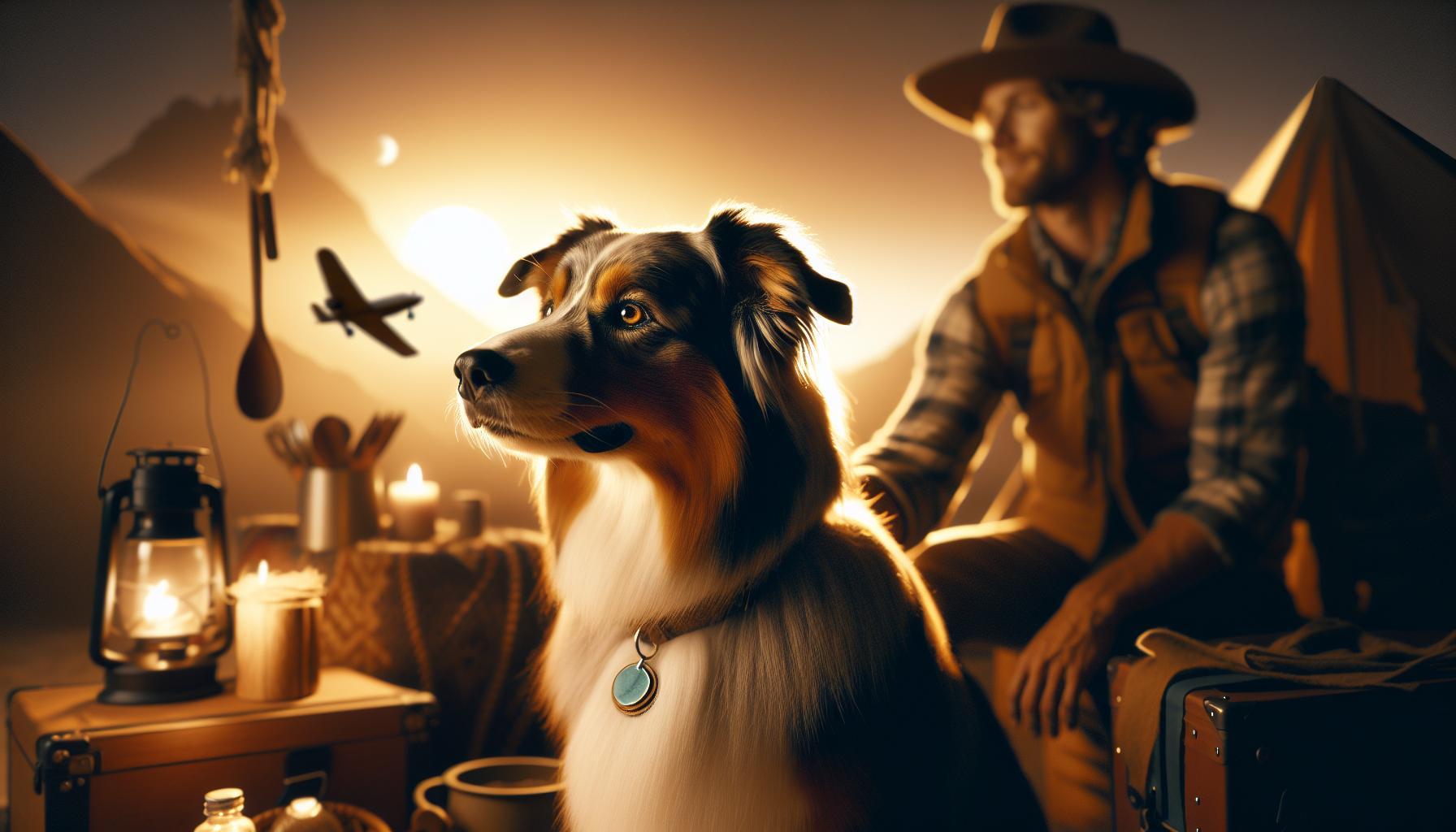

Did you know that the Australian Shepherd, often mistaken for a breed originating from Down Under, has a rich herding history that ties closely to cattle dogs? Understanding whether an Australian Shepherd is a cattle dog is crucial for potential owners who wish to provide the right environment and care for their energetic companions.
For many, the allure of Australian Shepherds lies in their intelligence, loyalty, and striking appearance. However, without grasping their herding roots, many owners may struggle to meet their dogs’ needs or misinterpret their behavior as mischief. By exploring the origins and history of Australian Shepherds as herders, you’ll not only gain insight into their temperament but also learn how to nurture their natural instincts effectively.
Join us as we delve into the fascinating journey of the Australian Shepherd and uncover the truth behind their herding prowess. Your future adventures with this amazing breed will thank you for it!
The Herding Heritage of the Australian Shepherd
The Australian Shepherd is renowned not just for its striking looks but also for its incredible intelligence and high energy. Many people often wonder where this spirited breed fits into the herding dog spectrum, especially when they hear the term “cattle dog.” While the Australian Shepherd is sometimes misclassified, understanding its true herding heritage can help clarify its role and unique qualities.
Originally developed in the United States during the 19th century, Australian Shepherds were bred primarily as versatile herding dogs adept at managing livestock, particularly sheep. However, their lineage can be traced back to various herding breeds brought to America by immigrants, especially those from the Basque region of Spain. This rich lineage has imparted a remarkable skill set to these dogs, making them exceptionally agile, intelligent, and trainable. In herding situations, Australian Shepherds display an innate ability to assess situations quickly, strategizing to control and direct flocks or herds effectively. Their natural instinct, coupled with their breeding, equips them to handle not only sheep but also cattle, making them quite suitable for cattle working tasks despite their more recognized role with sheep.
Key Traits of the Herding Legacy
Their herding background influences various traits that prospective owners should consider:
- Intelligence: Australian Shepherds are among the most intelligent dog breeds, often exhibiting a strong problem-solving ability. This intelligence makes them easily trainable, though it also means they require mental stimulation to avoid boredom and potential behavioral issues.
- Energy Level: Bred to work tirelessly on farms and ranches, these dogs boast high energy levels, necessitating plenty of daily exercise and activities. They thrive in environments that provide ample opportunities for physical and mental challenges.
- Instincts: Their herding instincts are deeply ingrained, leading them to try to herd other animals-and sometimes even children. Understanding this nature can help owners manage their behaviors positively.
Embracing the Australian Shepherd’s Heritage
When incorporating an Australian Shepherd into your home, it’s essential to remember their herding roots. Here are a few suggestions for fostering a fulfilling environment for these dynamic dogs:
- Daily Exercise: Ensuring that your Aussie gets daily exercise-through long walks, runs, or playtime-keeps them happy and healthy. Consider activities like agility training or herding trials to engage their instincts in a constructive way.
- Mental Stimulation: Invest time in interactive toys or puzzle games that can challenge your dog mentally. Training sessions to teach new commands or tricks can also be beneficial for keeping their sharp minds engaged.
- Socialization Opportunities: Expose your Australian Shepherd to various environments, animals, and people from a young age to cultivate their confidence and adaptability. Supervised interactions with other dogs can also satiate their herding urges while enhancing their social skills.
By understanding and respecting , you can create a thriving and harmonious life for your furry companion, ensuring that their natural talents and instincts are nurtured and celebrated.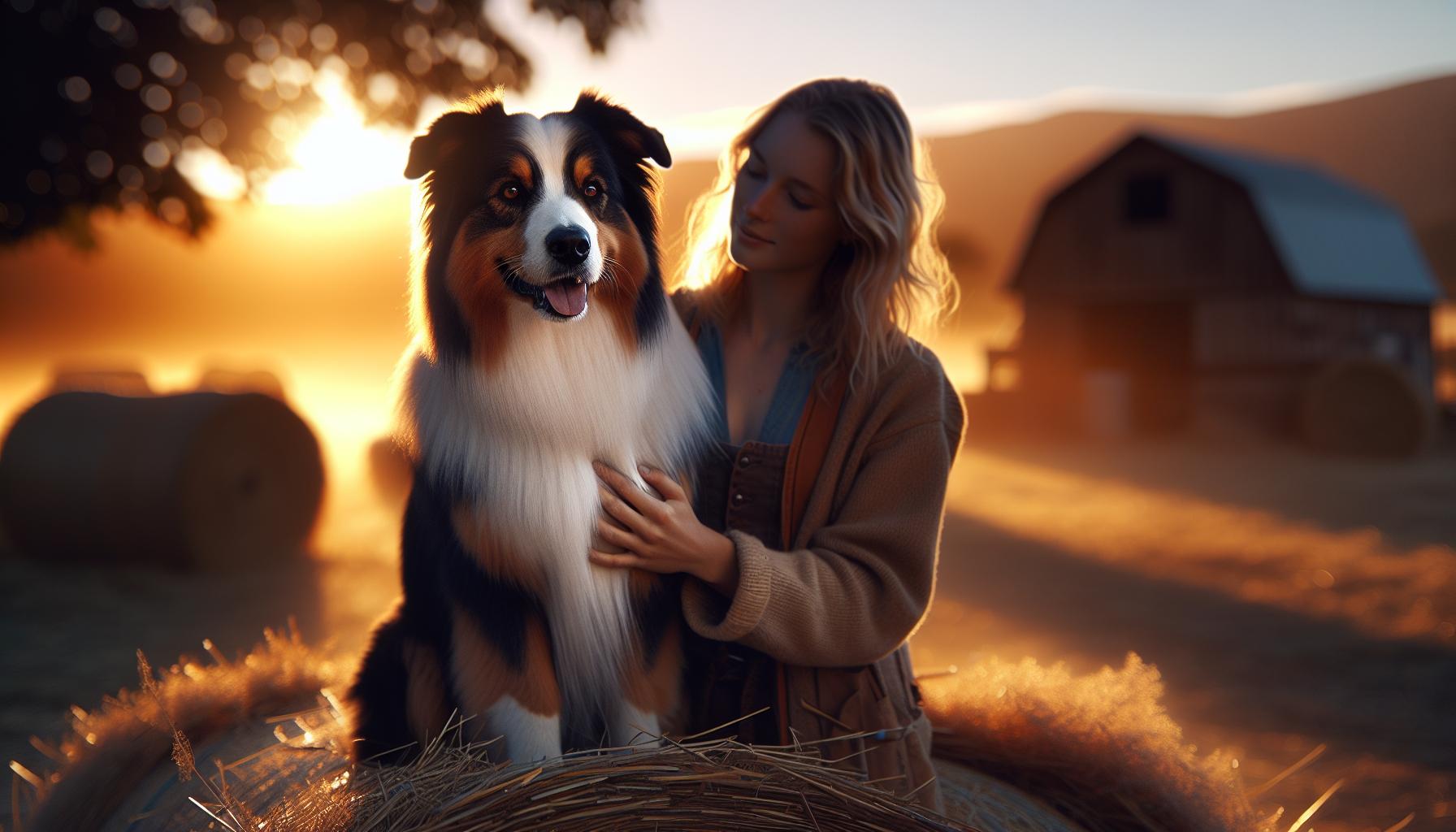
How the Australian Shepherd Compares to Cattle Dogs
The Australian Shepherd and cattle dogs are both celebrated for their herding abilities, but they possess distinct characteristics that can influence your decision on which breed fits better with your lifestyle. While both breeds share a lineage tied to herding livestock, the Australian Shepherd, often affectionately known as the “Aussie,” showcases a blend of intelligence, versatility, and a keen sense of loyalty that sets it apart from traditional cattle dogs. Originating in the United States, the Aussie was bred for herding sheep and has a reputation for being highly trainable. In contrast, cattle dogs, such as the Australian Cattle Dog (ACD), are specifically designed for managing cattle, displaying firmness and sometimes a more independent-minded nature in their work.
When comparing these two breeds, consider their energy levels, training needs, and social instincts. Australian Shepherds are often more energetic, thriving on a mix of mental and physical challenges. They excel in dog sports and require regular engagement to prevent boredom. In tandem, cattle dogs are known for their resilience and adaptability in diverse environments but may require more structured tasks to channel their focus. Training methods for both breeds should incorporate positive reinforcement, as they respond best to encouragement. For potential owners, assessing lifestyle compatibility is crucial; if you’re seeking an active companion willing to participate in outdoor activities, an Aussie might be your best bet, while those looking for a sturdy worker or a companion that can handle demanding environments might find joy with a cattle dog.
In considering your future four-legged friend, reflect on your daily routine and how much attention you can devote to training and playtime. Both breeds can form deep bonds with their humans, making them incredibly rewarding companions, provided their unique needs are met. Remember, whether you opt for an Australian Shepherd or a cattle dog, investing time in their training and socialization will yield a well-balanced, happy pet that thrives in your home.
Key Traits of a Cattle Dog Versus an Australian Shepherd
When considering whether an Australian Shepherd is a type of cattle dog, it’s essential to explore the distinct traits of both breeds. While both are renowned for their herding abilities and intelligence, they possess unique characteristics that make them well-suited for different roles. For instance, Australian Shepherds were bred to manage livestock and assist farmers, showcasing their agility and keen instinct. In contrast, cattle dogs, particularly the Australian Cattle Dog, were developed specifically for driving cattle over long distances and through various terrains. This difference is reflected in their energy levels, temperament, and physical attributes.
One of the most striking contrasts is their work ethic and energy levels. Australian Shepherds are known for their boundless enthusiasm and require ample mental and physical stimulation. They thrive in active environments and excel in agility and obedience competitions. On the other hand, Australian Cattle Dogs are incredibly focused workers with a strong drive to herd. They are built for stamina and endurance, often showing a more independent streak when herding.
- Temperament: Aussies exhibit an enthusiastic and sociable demeanor, making them fantastic family pets, whereas Cattle Dogs often display a more reserved nature with a protective instinct.
- Physical Build: Australian Shepherds tend to have a slightly more refined build, often with longer fur, while Cattle Dogs have a stockier, compact frame and a short, weather-resistant coat.
- Herding Style: The herding style of an Aussie is often more about gathering and moving livestock, while Cattle Dogs are known for their ability to drive cattle and maintain tighter control, showcasing their instinctive nipping behavior.
Understanding these differences allows potential owners to choose a breed that aligns best with their lifestyle and needs. If you seek a dog that brings lively energy into a family setting, the Australian Shepherd may be your ideal companion. However, if your focus is on a dedicated and robust working dog that excels in herding, the Australian Cattle Dog might be your perfect match. With either breed, it’s vital to provide adequate exercise and mental challenges, ensuring a happy and well-adjusted canine companion.
Understanding the Purpose of Herding Breeds
With their captivating beauty and vibrant energy, Australian Shepherds are often mistakenly thought of as simple pets, but their purpose shines brightest when understood through the lens of their herding heritage. Originally bred to expertly manage livestock, these dogs boast an astonishing array of skills that make them exceptional companions for those looking to embrace an active lifestyle. Understanding the essence of herding breeds reveals not only the traits that characterize the Australian Shepherd but also how you can nurture their innate instincts for a harmonious relationship.
Herding breeds like the Australian Shepherd possess unique qualities that stem from their deep-rooted history as working dogs. They are driven, intelligent, and possess an extraordinary work ethic that requires both physical exercise and mental stimulation to thrive. Without appropriate outlets for their energy, Australian Shepherds could develop behavioral issues such as excessive barking, chewing, or anxiety. To support your Aussie effectively, consider integrating activities such as agility training, herding trials, or even obedience competitions into their routine. Not only do these activities channel their instincts, but they also forge a stronger bond between you and your dog while providing enriching experiences.
Understanding the Herding Instinct
A distinct aspect of herding breeds is their remarkable ability to observe and respond to their surroundings in a way that is often mesmerizing. Australian Shepherds are known for their keen instinct to herd; they will instinctively try to gather, drive, or control other animals or even children and other pets in the household. You might notice your Aussie gently nudging or circling loved ones in a playful, yet commanding, manner. To enhance your dog’s natural abilities in a constructive way, engage in herding activities under guidance from experienced trainers, which can include specialized herding classes or workshops. This not only keeps them active but also satisfies their innate need to herd, ultimately leading to a well-adjusted and happy dog.
The Role of Australian Shepherds in Livestock Management
Australian Shepherds are often celebrated for their intelligence and versatility, making them exceptional partners in livestock management. These dogs have a deep-rooted history as herding animals, finely tuned to work alongside farmers and ranchers. Originating as a herding breed brought to the United States by Basque shepherds who handled flocks of sheep, Australian Shepherds have evolved into vital assets on ranches, excelling in managing not just sheep but also cattle, goats, and other livestock. Their ability to control herd movement through agility and stamina is unparalleled, and they possess a remarkable instinct for assessing which animals need directing.
In practical use, Australian Shepherds demonstrate an innate understanding of livestock behavior, allowing them to work effectively in a variety of settings. They are adept at using both their herding skills and keen observation to influence animal movement strategically. This can involve gathering livestock, driving them to new grazing grounds, or separating individuals from the herd as needed. Typical tasks an Aussie may perform include:
- Gathering: Rounding up and moving livestock to a designated area.
- Driving: Pushing animals in a particular direction for herding or penning.
- Retiring: Staying back to control the movement of the herd as needed.
Their intelligence not only helps them learn commands quickly but also allows them to make decisions independently. This is particularly beneficial for farmers who require a dog that can work efficiently under pressure or while remote. Training an Australian Shepherd for cattle handling involves consistent, positive reinforcement methods to build a strong bond and enhance their natural abilities. Overall, Australian Shepherds are not just cattle dogs; they are invaluable partners in livestock management, embodying traits that make them both effective workers and loyal companions to those who depend on them.
Iconic Australian Shepherd Working Styles
The Australian Shepherd is renowned for its impressive versatility in working styles, making it a true partner for ranchers and farmhands alike. Originally developed in the American West, this breed’s herding abilities are often mistakenly attributed to its name, which suggests Australian origins. Instead, these dogs have refined skills that stem from their complex ancestry of various herding breeds, including the Collie and German sheepdogs. Australian Shepherds are well-known for their agility, intelligence, and strong work ethic, showcasing their talents in multiple roles, from traditional herding tasks to modern canine sports and even service roles.
One of the most iconic working styles of the Australian Shepherd is its ability to herd livestock effectively. This breed employs a unique combination of herding techniques, relying not only on its speed and agility but also on its keen instinct and intelligence. Australian Shepherds are agile and quick on their feet. They typically use a movement called the “eye,” characterized by a focused stare, which allows them to control and guide animals with minimal physical contact. This subtle communication fosters trust and cooperation between the herder and the herd. Additionally, these dogs excel when given tasks that require problem-solving and decision-making skills, making them invaluable assets in managing cattle or sheep in variable environments. Some common tasks that an Australian Shepherd might perform include:
- Gathering and moving livestock from one point to another.
- Pinpointing and isolating sick or stray animals.
- Assisting in farm management by alerting handlers of changes in animal behavior.
Beyond traditional herding, Australian Shepherds have also made a name for themselves in competitive dog sports and agility tasks. These high-energy dogs thrive when given challenges that test their intelligence and physical capabilities. Owners often engage their Aussies in various activities, such as obedience, herding trials, and agility competitions, allowing them to showcase their speedy movements and sharp minds. Ensuring that an Australian Shepherd is well-exercised and mentally stimulated is crucial for a happy and healthy pet, as they can become bored and develop behavioral issues if underworked. By embracing the breed’s natural instincts and providing various engaging tasks, potential Aussie owners can create a fulfilling and productive life for their canine companions while celebrating the working styles that define this iconic breed.
Training Techniques for Australian Shepherd Herding Skills
Training an Australian Shepherd for herding tasks taps into their natural instincts and energetic nature, making the training process both fulfilling and effective. These dogs are renowned for their intelligence and agility, traits that enable them to excel in herding activities. A well-structured training program focused on developing herding skills can help maintain their sharp minds while channeling their energy positively.
To get started, introducing your Australian Shepherd to herding concepts early is vital. Utilize tools such as whistles and verbal commands, which can reinforce your dog’s understanding of direction and movement. Some effective training techniques include:
- Positive Reinforcement: Reward your dog with treats or praises whenever they respond correctly to commands. This encourages them to repeat the behavior.
- Clicker Training: Using a clicker, you can mark desired behaviors immediately. This clear form of communication can enhance their responsiveness during herding practice.
- Mock Herding Exercises: Set up scenarios with props or even other animals under controlled conditions to simulate herding situations, helping your dog learn how to maneuver livestock.
- Gradual Increase of Complexity: Start with basic commands and simple tasks, gradually raising the difficulty as your dog becomes more proficient.
Overall, the combination of early exposure, consistent training practices, and reinforcement will create a strong foundation for your Australian Shepherd’s herding abilities. This not only fosters their natural instincts but also strengthens your bond, making the training experience enjoyable and rewarding for both of you.
Common Misconceptions About Australian Shepherds
Australian Shepherds often get pigeonholed as primarily cattle dogs due to their herding background, but this popular notion only scratches the surface of their multifaceted nature. Many people mistakenly believe that all Australian Shepherds are solely bred for herding or that they must be kept in rural settings to thrive. In reality, while their herding instinct is deeply ingrained, Aussies are remarkably versatile companions who can adapt wonderfully to various lifestyles, whether that’s an active urban dwelling or a sprawling farm. Understanding their true nature can help potential pet owners appreciate what these intelligent dogs really bring to the table beyond their herding capabilities.
One prevalent misconception is that Australian Shepherds require vast amounts of space and endless daily herding tasks to be happy. Although they do possess high energy levels and thrive on activity, they are just as content with structured play and mental stimulation in smaller environments. Regular training sessions, agility exercises, and interactive toys can keep their minds sharp and bodies fit, making them well-suited for families in various living situations. Moreover, socialization from an early age helps curb the common misunderstanding that they are inherently shy or aggressive. In a loving, active, and engaging environment, Australian Shepherds blossom into loyal, affectionate companions who form strong bonds with their families.
- Versatile Companions: While they have a herding background, Aussies can enjoy life in various settings, from apartment living to large farms.
- Beyond Herding: Engage their minds with obedience training, agility courses, or puzzle toys to nurture their intelligence.
- Socialization Matters: Early and ongoing socialization can help Australian Shepherds become well-rounded pets rather than shy or aggressive.
Herding Instincts: Nature vs. Nurture
The fascinating interplay of genetics and environment plays a vital role in shaping the herding instincts of Australian Shepherds. Often described as natural herders, these dogs exhibit behaviors that stem from their ancestry in herding livestock, but how much of this is instinctual versus learned? To truly understand the complex behavior of the Australian Shepherd, one must delve into both the nature of their breeding and the impacts of nurturing environments.
Australian Shepherds possess a remarkable combination of instincts that make them exceptional herders. Their ancestors were bred to work closely with livestock, showcasing an innate drive to gather, drive, and protect. This herding instinct, fundamentally tied to their genetic makeup, can often manifest in behaviors such as circling, nudging, and even vocalizing to communicate with the animals they are managing. However, nurturing plays a significant role in refining these instincts. For owners, creating an environment that encourages and harnesses these natural behaviors is essential. Regularly engaging Australian Shepherds in structured activities-like agility training, obedience exercises, and, if possible, herding trials-can channel their energy and intelligence into productive tasks, thus satisfying their intrinsic need to work.
Guiding Their Instincts: Practical Steps for Owners
To effectively raise an Australian Shepherd that thrives both as a pet and a herding companion, consider implementing the following approaches:
- Socialization: Expose your Aussie to various environments, people, and other animals to help them develop balanced social skills.
- Training Techniques: Use positive reinforcement to encourage desired herding behaviors that align with their instincts, making training an enjoyable experience for both dog and owner.
- Structured Activities: Incorporate tasks that mimic herding, such as fetch games or engaging in agility courses, which can stimulate their mind and body effectively.
- Stimulating Environment: Provide a safe space where they can express their herding instincts by exploring and engaging in different types of play.
By understanding the delicate balance between a dog’s inherent traits and the influence of their environment, you can cultivate a fulfilling partnership that not only recognizes their history but also prepares them for a vibrant future as your enthusiastic companion. Nurturing these herding instincts through active engagement and tailored training will ultimately enhance the bond between you and your Australian Shepherd, making for a harmonious and enriched lifestyle together.
Health Considerations for Active Herding Breeds
The Australian Shepherd, known for its intelligence and boundless energy, requires special health considerations to ensure a happy and fulfilling life. This breed, while not a cattle dog in the traditional sense, was developed to herd livestock, showcasing agility, stamina, and a keen sense of responsibility. Consequently, active herding breeds like the Aussie need an environment that supports their physical and mental health needs. Regular exercise is a must-these dogs thrive on activities that engage them both physically and mentally, such as agility courses, obedience training, and interactive playtime with their owners. Owners should aim for at least 60 to 90 minutes of vigorous activity each day to maintain both their physical condition and mental sharpness.
Maintaining an active lifestyle is vital to mitigating common health issues seen in herding breeds. Australian Shepherds may be prone to hip dysplasia, epilepsy, and eye conditions like cataracts or collie eye anomaly. To prevent these issues, regular veterinary check-ups are essential, along with a nutritious diet rich in essential fatty acids, antioxidants, and appropriately balanced proteins. Additionally, consider regular weight checks to ensure your Aussie stays within a healthy range; obesity can exacerbate joint and heart issues. Providing a variety of mental challenges, such as puzzle toys and training exercises, will help keep your Australian Shepherd happy and engaged, reducing the risk of behavioral problems that can arise from boredom or insufficient exercise.
Preventive Health Measures
To care for your active herding breed, incorporate the following preventive health measures:
- Regular Vet Check-Ups: Schedule annual health examinations and vaccinations.
- Joint Health: Consider supplements like glucosamine to support joint health.
- Dental Care: Regularly brush your dog’s teeth to prevent dental disease.
- Grooming: Maintain a consistent grooming routine to manage shedding and skin health.
- Balanced Diet: Feed high-quality, breed-appropriate food to support their active lifestyle.
Ultimately, understanding the unique health considerations for your Australian Shepherd can enhance their quality of life and strengthen the bond you share. By providing the right environment, proper nutrition, and engaging activities, you can help your herding breed flourish in both health and happiness.
Tips for Choosing the Right Herding Dog for You
Choosing a herding dog can be an exciting yet daunting task, especially with vibrant breeds like the Australian Shepherd, which are known for their intelligence and energy. One crucial consideration is understanding what type of lifestyle you can offer. Herding dogs thrive in active environments where they can engage in physical and mental stimulation. Therefore, it’s essential to evaluate your daily routine and living situation. For instance, if you enjoy outdoor activities such as hiking, running, or even agility training, an Australian Shepherd or similar herding breed may be a perfect fit. These dogs are not just companions; they require dedicated exercise and activities to keep them happy and healthy.
As you assess your compatibility with a herding dog, think about their inherent traits and needs. Consider factors like time for training and socialization, as Australian Shepherds are highly intelligent but can also be strong-willed. Begin by researching and visiting different breeds to see their individual personalities in action. You might find it helpful to create a list of what you are looking for in a dog, including energy levels, grooming needs, and potential health issues. Don’t hesitate to reach out to breed clubs or rescue organizations which often have invaluable insights. By reflecting on these aspects, you can make a more informed decision, ensuring your life and that of your future furry friend will be enriched by the bond you share.
Key Considerations
- Activity Level: Assess if you can match the dog’s energy needs.
- Training Commitment: Be prepared to invest time in obedience training.
- Grooming Requirements: Understand the maintenance needs of the breed.
- Family Dynamics: Evaluate how a herding dog fits into your household.
Ensuring a Happy Life for Your Australian Shepherd
Creating a joyful and fulfilling life for your Australian Shepherd can greatly impact both their happiness and your own. Known for their intelligence and energy, these dogs thrive in environments that cater to their lively spirit and herding instincts. Engaging them in daily activities that provide mental and physical stimulation is essential. Without sufficient outlets for their energy, this breed can become bored, which may lead to destructive behaviors or anxiety. Incorporating structured exercise routines, interactive play, and training will not only satisfy their needs but also strengthen the bond between you and your four-legged companion.
Establishing a Routine
One of the best ways to ensure your Australian Shepherd remains happy is by establishing a clear daily routine. This can include scheduled times for walks, play sessions, and training. Consistency helps to create a sense of security for your dog, making them feel more relaxed and content. Here are some practical tips to integrate into your daily life:
- Exercise: Aim for at least 60-90 minutes of physical activity each day. Activities can include running, hiking, or participating in agility training.
- Mental Challenges: Introduce puzzle toys or structured games like hide-and-seek to engage their intellect.
- Positive Reinforcement Training: Continually train your dog to keep their mind sharp. Teaching new tricks or commands can be a fun bonding activity.
Incorporating variety within this routine is equally important. Different environments, such as parks or dog-friendly beaches, offer fresh stimulation and experiences. Remember, an Australian Shepherd is not just a pet; they are a partner in your adventures. By nurturing their needs for physical exercise and mental challenge, you cultivate a happy, healthy dog that complements your lifestyle and enjoys all the experiences life has to offer.
Q&A
Q: Is an Australian Shepherd considered a cattle dog?
A: No, an Australian Shepherd is not classified as a cattle dog, although it is a herding breed. Often confused with the Australian Cattle Dog, the Australian Shepherd was bred primarily for herding sheep. For a detailed comparison of these two breeds, check our section on herding types.
Q: What is the herding history of the Australian Shepherd?
A: The Australian Shepherd was developed in the United States in the 19th century, influenced by various herding breeds from Europe, especially those associated with Basque shepherds. This breed became popular for its agility and intelligence, particularly in herding sheep rather than cattle, which distinguishes it from typical cattle dogs.
Q: How does the Australian Shepherd’s herding instinct compare to cattle dogs?
A: The herding instinct in Australian Shepherds is highly developed, focusing on sheep herding techniques. In contrast, cattle dogs are trained for driving cattle, which involves different strategies. Understanding these differences can help owners train their dogs effectively for specific herding tasks.
Q: What breeds are related to the Australian Shepherd?
A: Australian Shepherds hail from several breeds, including Border Collies and the English Shepherd, contributing to their herding capabilities and intelligence. To delve deeper into breed relations, explore our section on breed ancestry.
Q: Are Australian Shepherds good for herding cattle?
A: While Australian Shepherds excel at herding sheep, they can also herd cattle if trained properly. However, they may require different techniques and guidance compared to cattle dogs, which are specifically bred for that purpose.
Q: Why are Australian Shepherds often confused with Australian Cattle Dogs?
A: The confusion arises primarily from their names and shared herding backgrounds. Both breeds exhibit similar physical traits, like a medium build and active demeanor, but their temperaments and herding styles differ significantly.
Q: What are the similarities and differences between Australian Shepherds and Australian Cattle Dogs?
A: Both breeds are highly intelligent and energetic, but Australian Shepherds are more suited for sheep herding, while Australian Cattle Dogs are designed for managing cattle. Their training requirements and exercise needs also vary, making individual breed knowledge essential for prospective owners.
Q: When is the best age to start training an Australian Shepherd for herding?
A: The best age to start herding training for an Australian Shepherd is around 6 months old, when they begin to develop the necessary skills. Early socialization and exposure to livestock will enhance their natural herding instincts. For training tips, refer to our article on herding fundamentals.
Feel free to continue exploring our website for more informative content on Australian Shepherd care and training!
The Conclusion
Now that we’ve explored the intriguing connection between Australian Shepherds and their herding history, it’s clear that these dynamic dogs are far more than just beautiful companions. With their roots in cattle herding, they thrive on mental stimulation and physical activity, making them the perfect choice for active families or individuals looking for a loyal partner. If you’re still pondering whether an Australian Shepherd is right for your lifestyle, don’t hesitate to dive into our guide on “Herding Breeds: Choosing the Right Fit for You” or explore our in-depth articles on “Training Tips for High-Energy Dogs.”
We invite you to join our community of passionate Aussie owners by subscribing to our newsletter for valuable tips, expert advice, and the latest updates on breed information! Have any questions or thoughts to share? We encourage you to leave a comment below-your insights could help fellow dog enthusiasts. Remember, caring for an Australian Shepherd is a rewarding journey, and with the right resources and support, you can ensure a happy, fulfilling life together. Let’s keep the conversation going!
Get our latest guides, news, and insights highlighted in your Google Search & AI Overviews.


